
53 resultados
-
Tech-Air® 5 Plasma Sistema De Airbag -
Tech-Air® 10 V2 Race Sistema De Airbag -
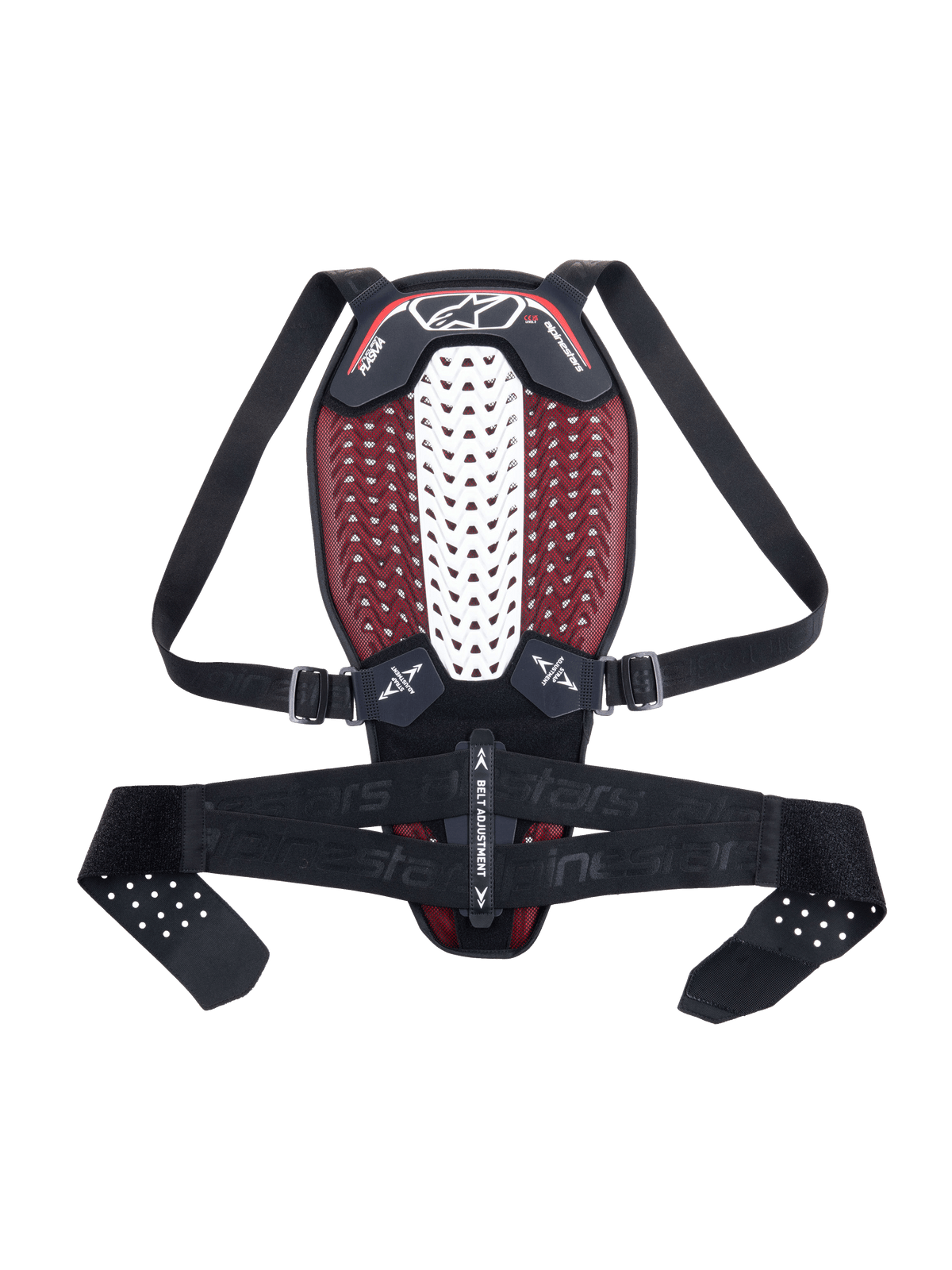
Protector Insertable De Espalda Completo Nucleon Plasma -
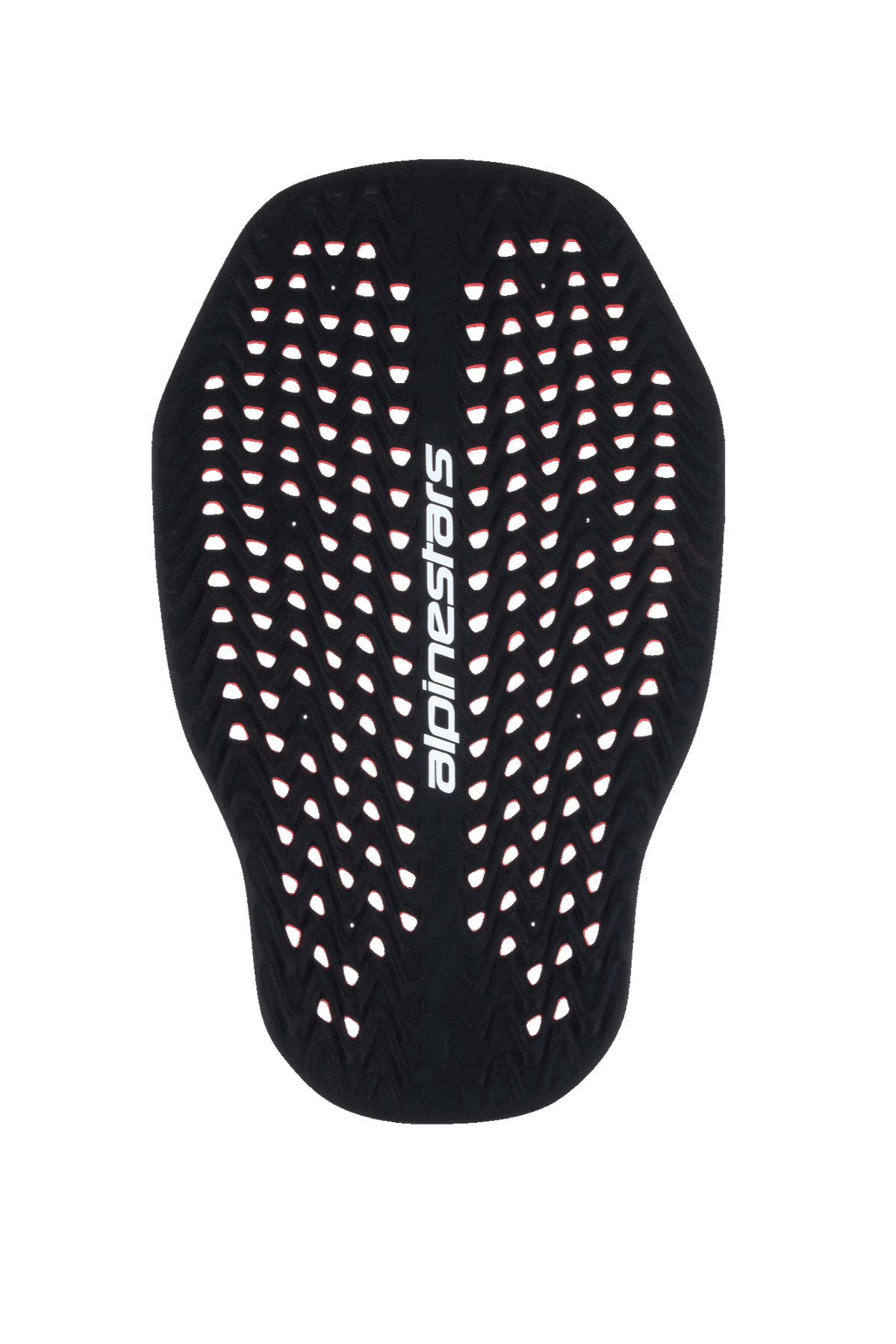
Protector Insertable De Espalda Nucleon Plasma -
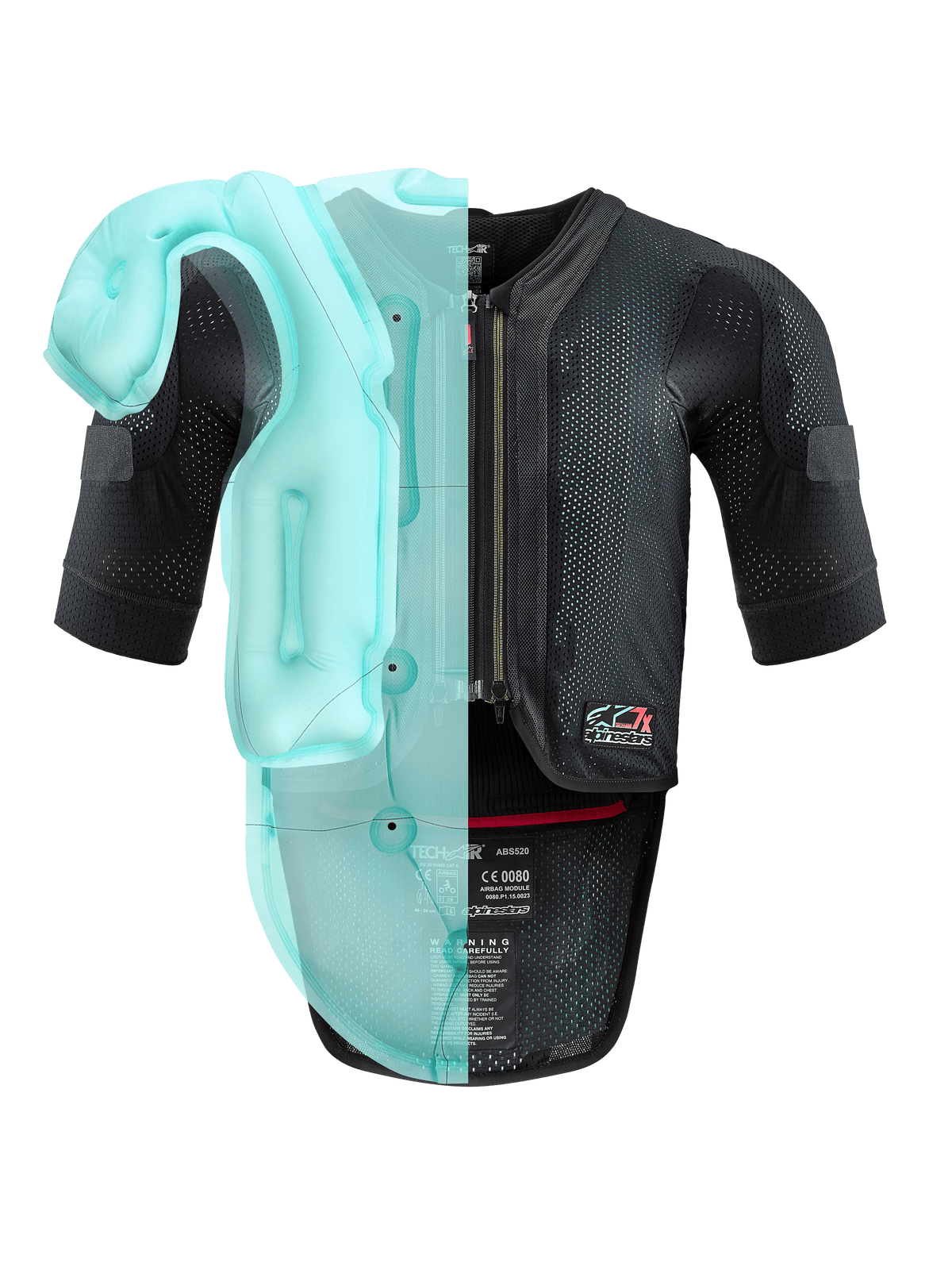
Tech-Air® 7X Sistema De Airbag -
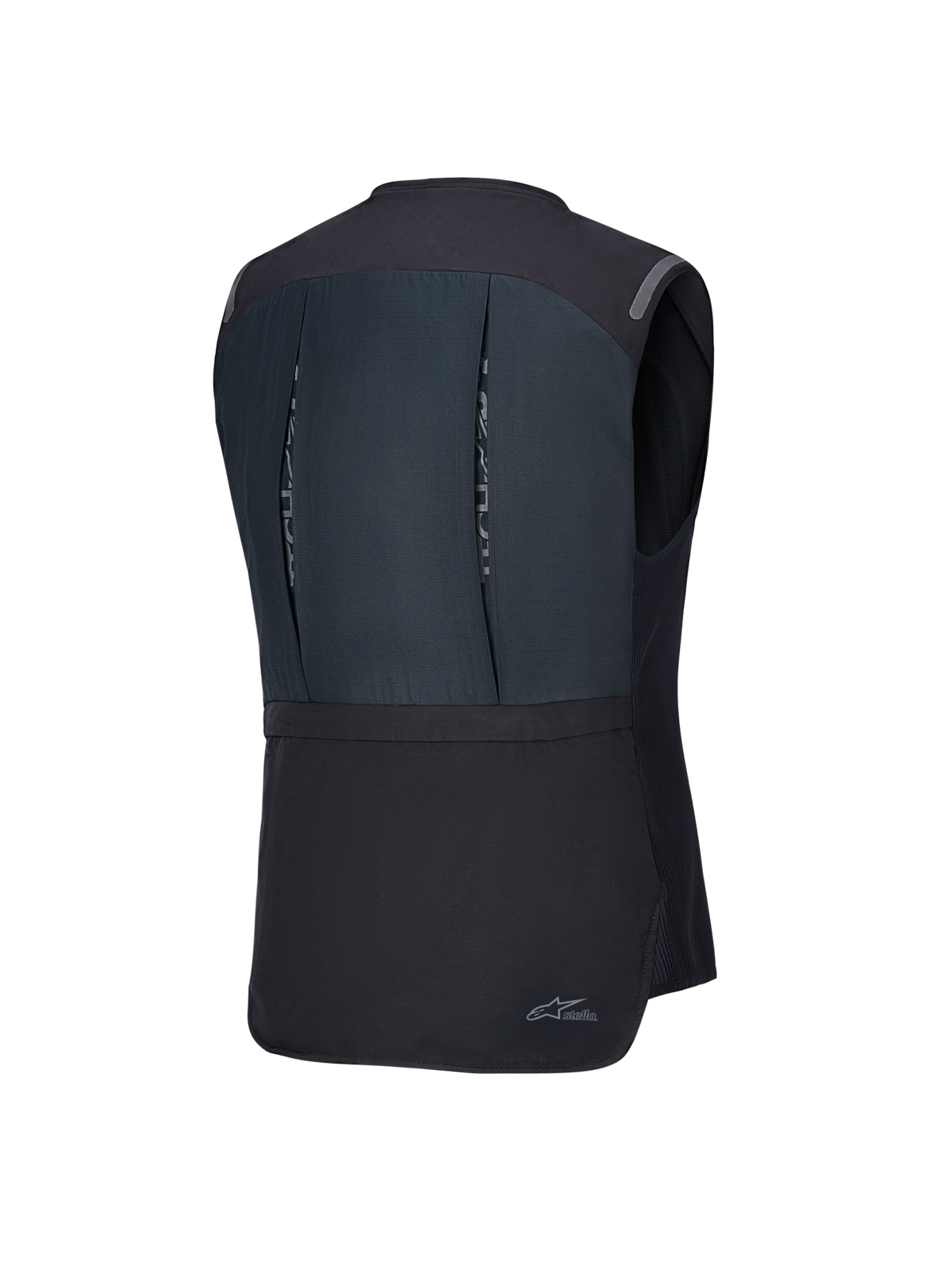
Stella Tech-Air® 3 V2 Sistema De Airbag -
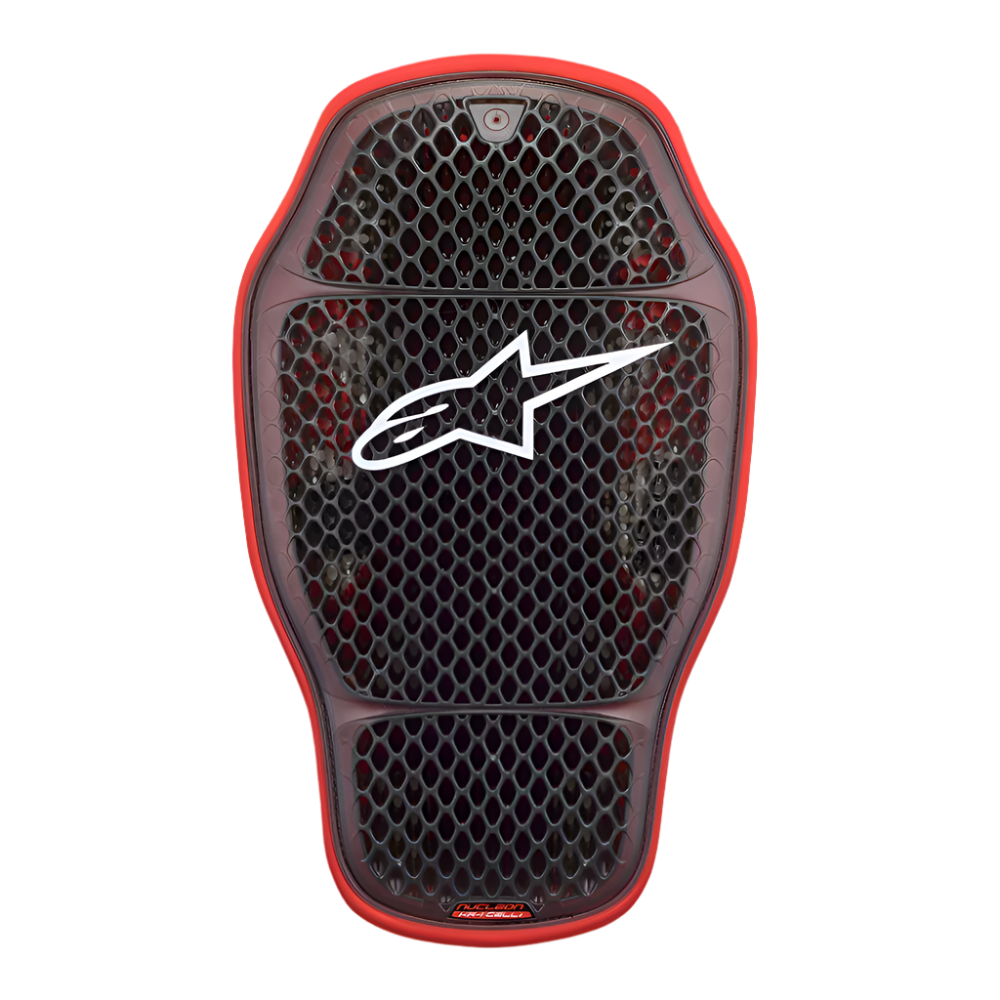
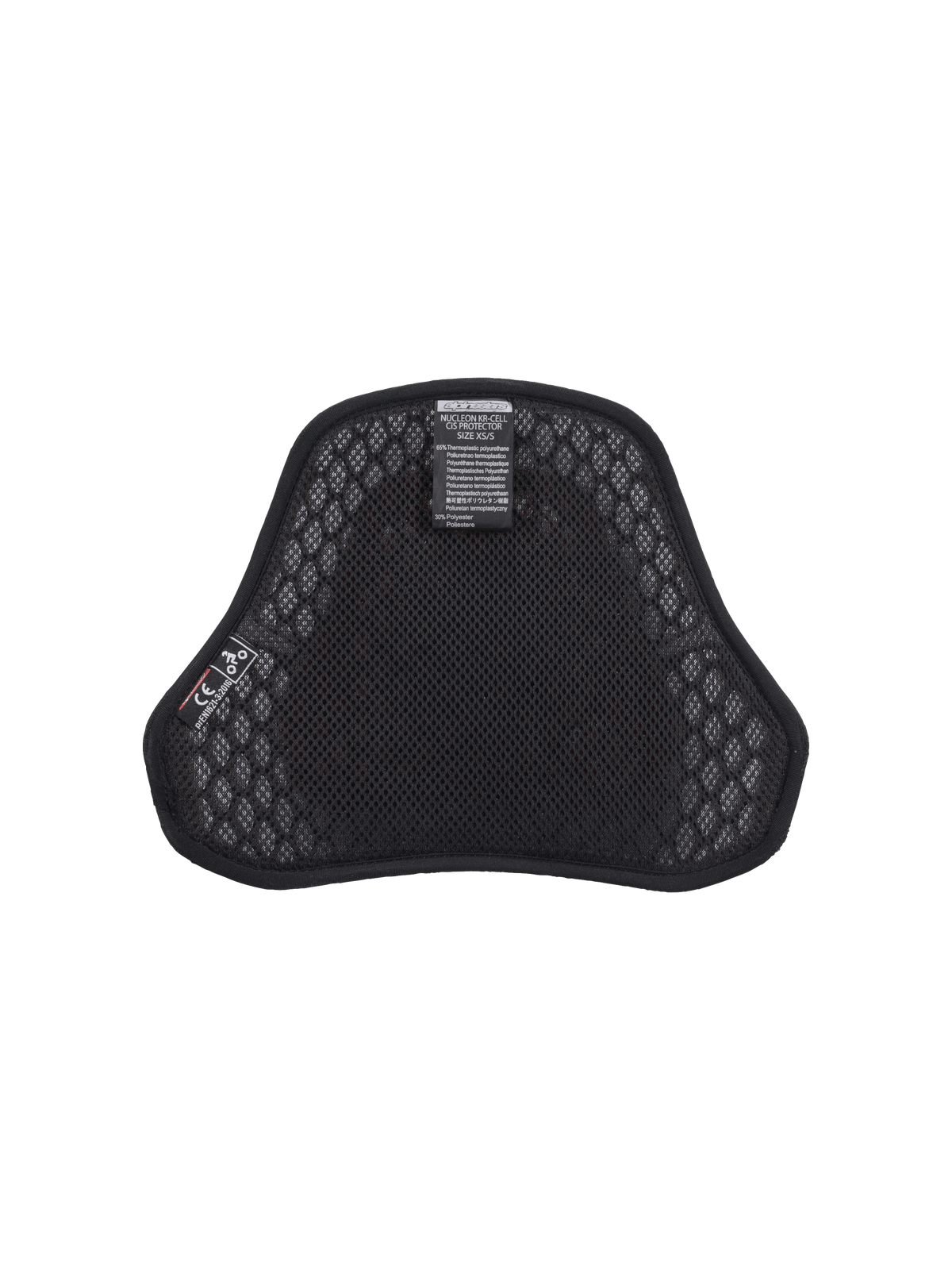
Protector Nucleon Kr-Cell -
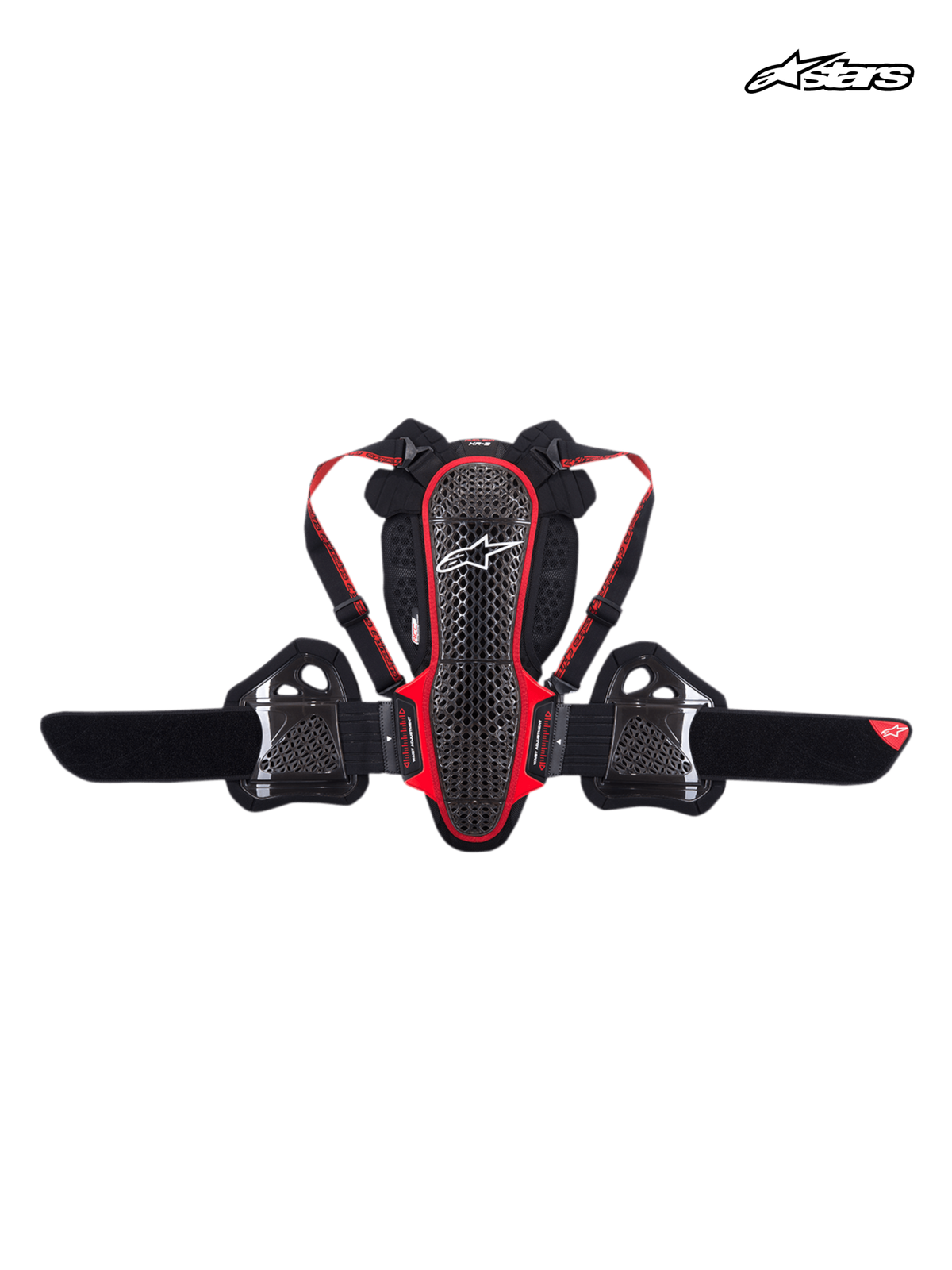
Protector De Espalda Nucleon Kr-2 -
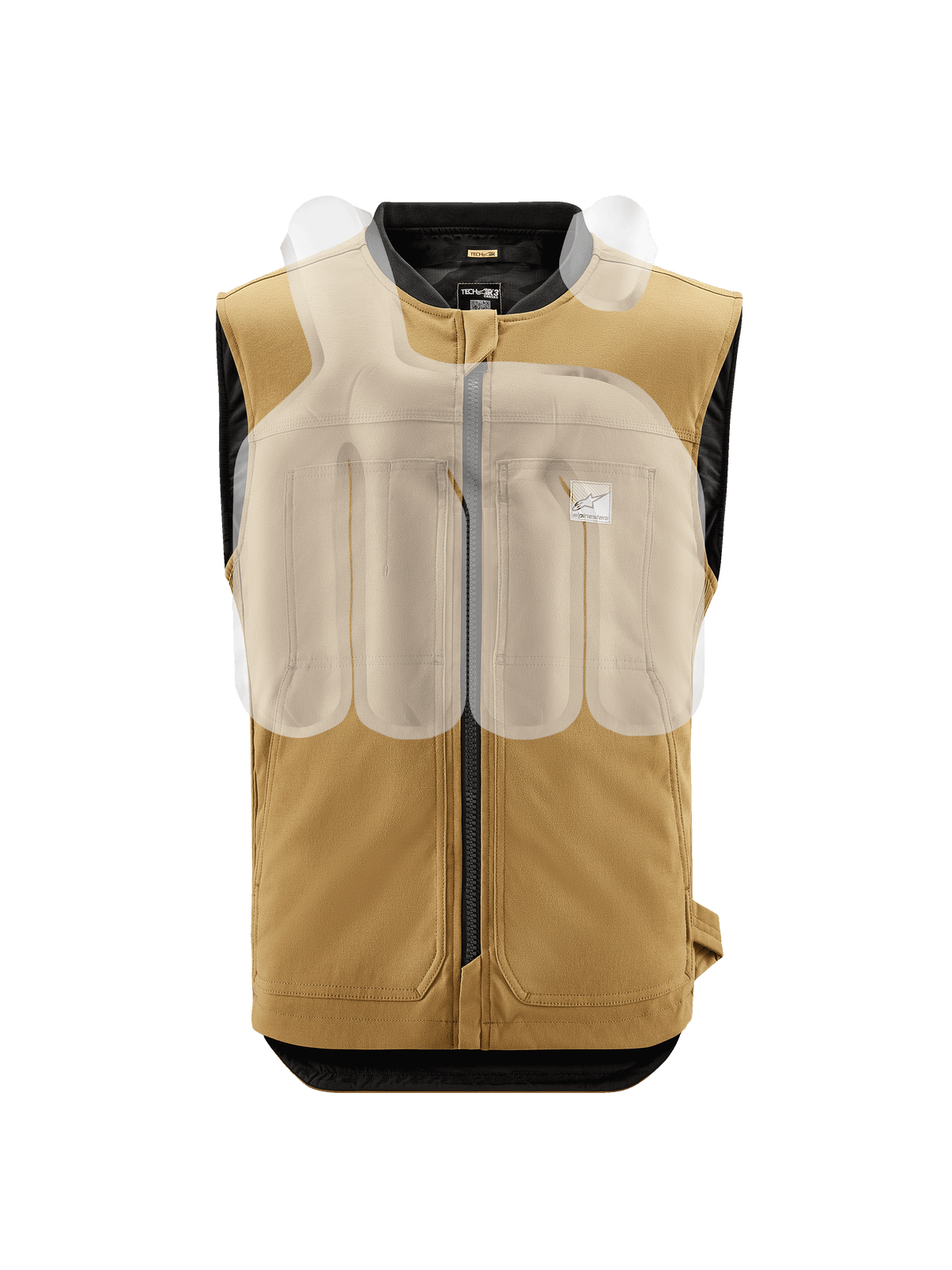
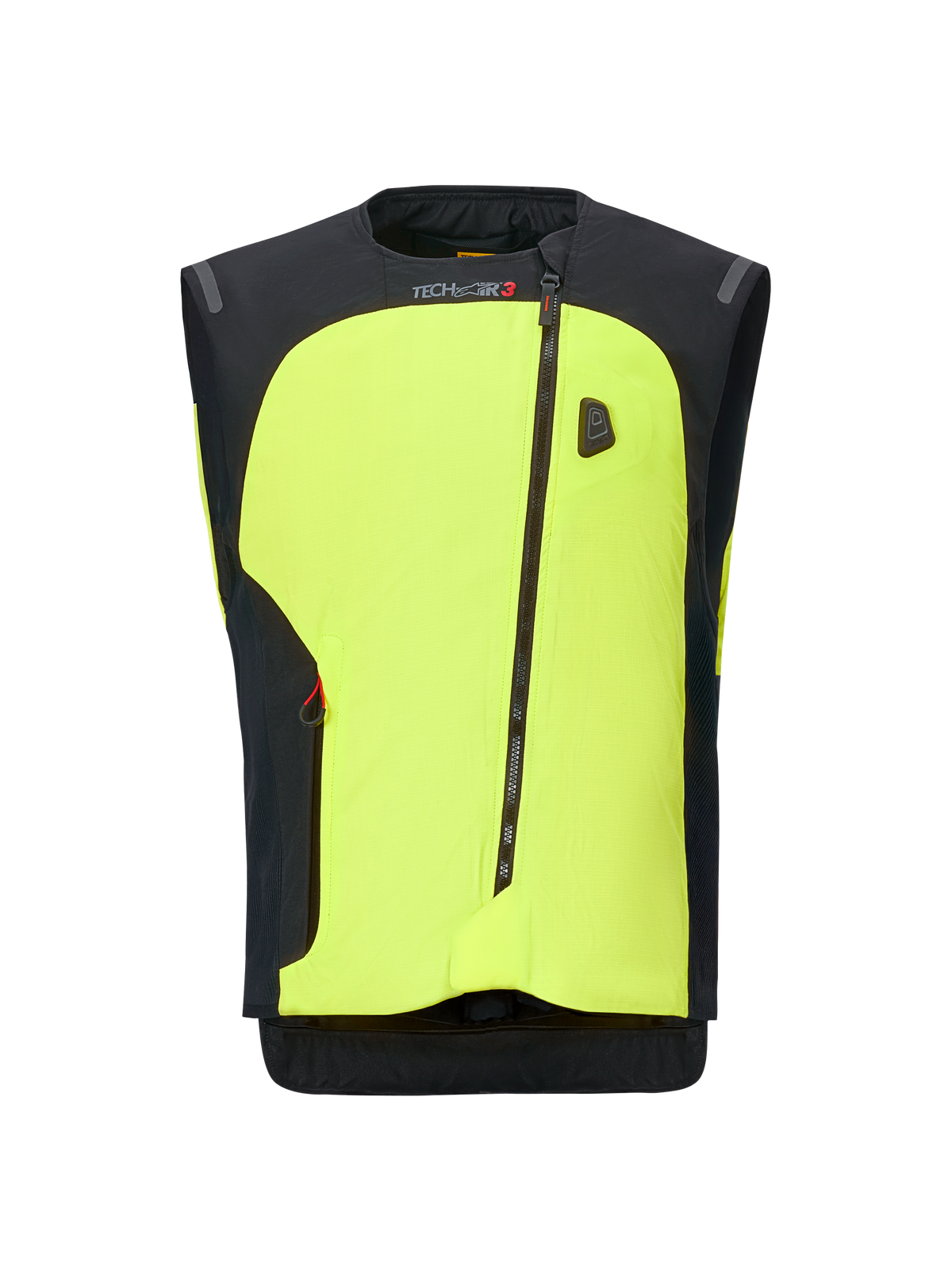
Tech-Air® 3 V2 Canvas Sistema De Airbag -
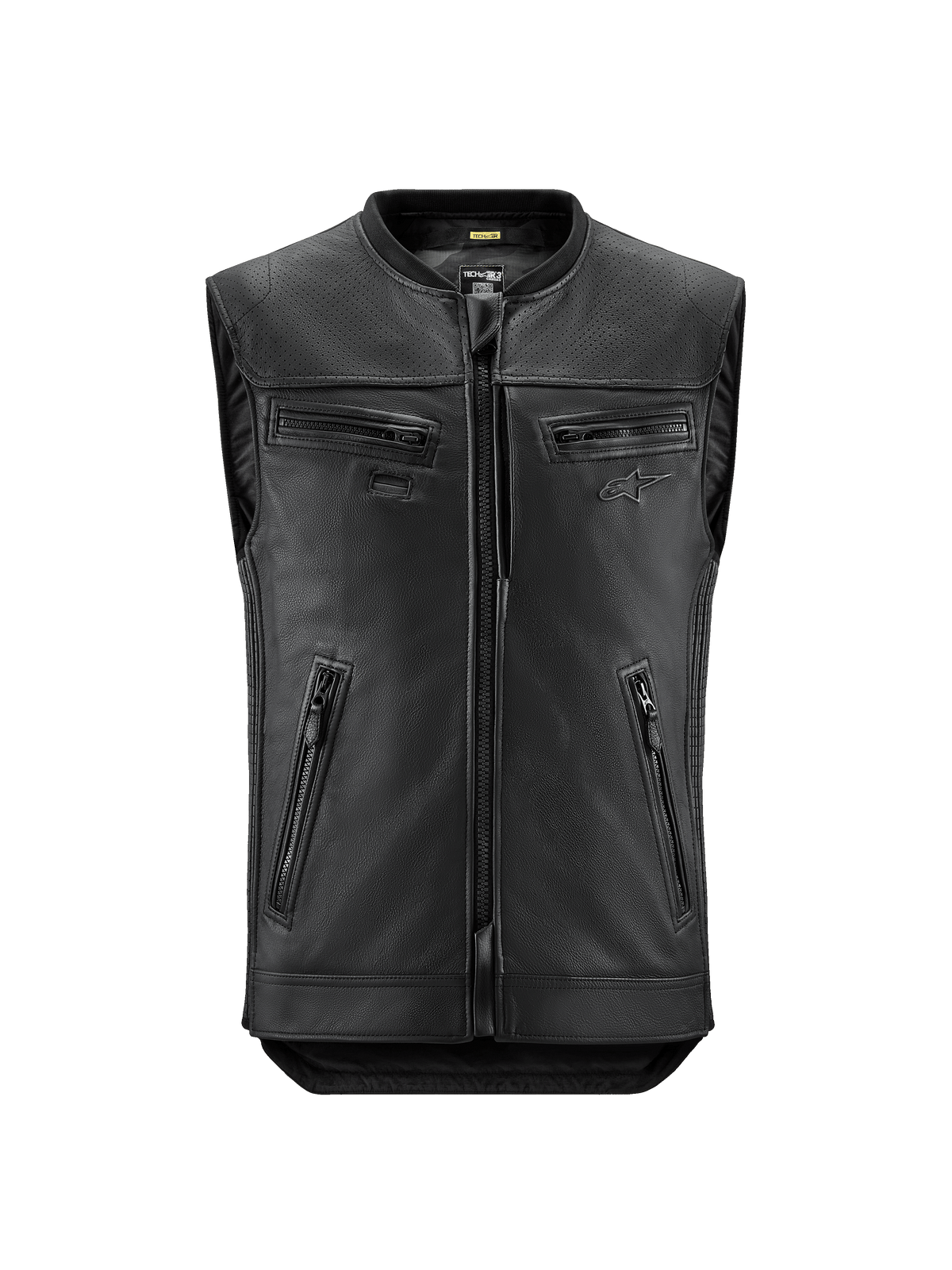
Tech-Air® 3 V2 Sistema De Airbag De Cuero -
GP Plus Deslizador De Rodilla -
Deslizadores De Rodilla GP Tech -
Tech-Air® 3 V2 Canvas Sistema De Airbag -
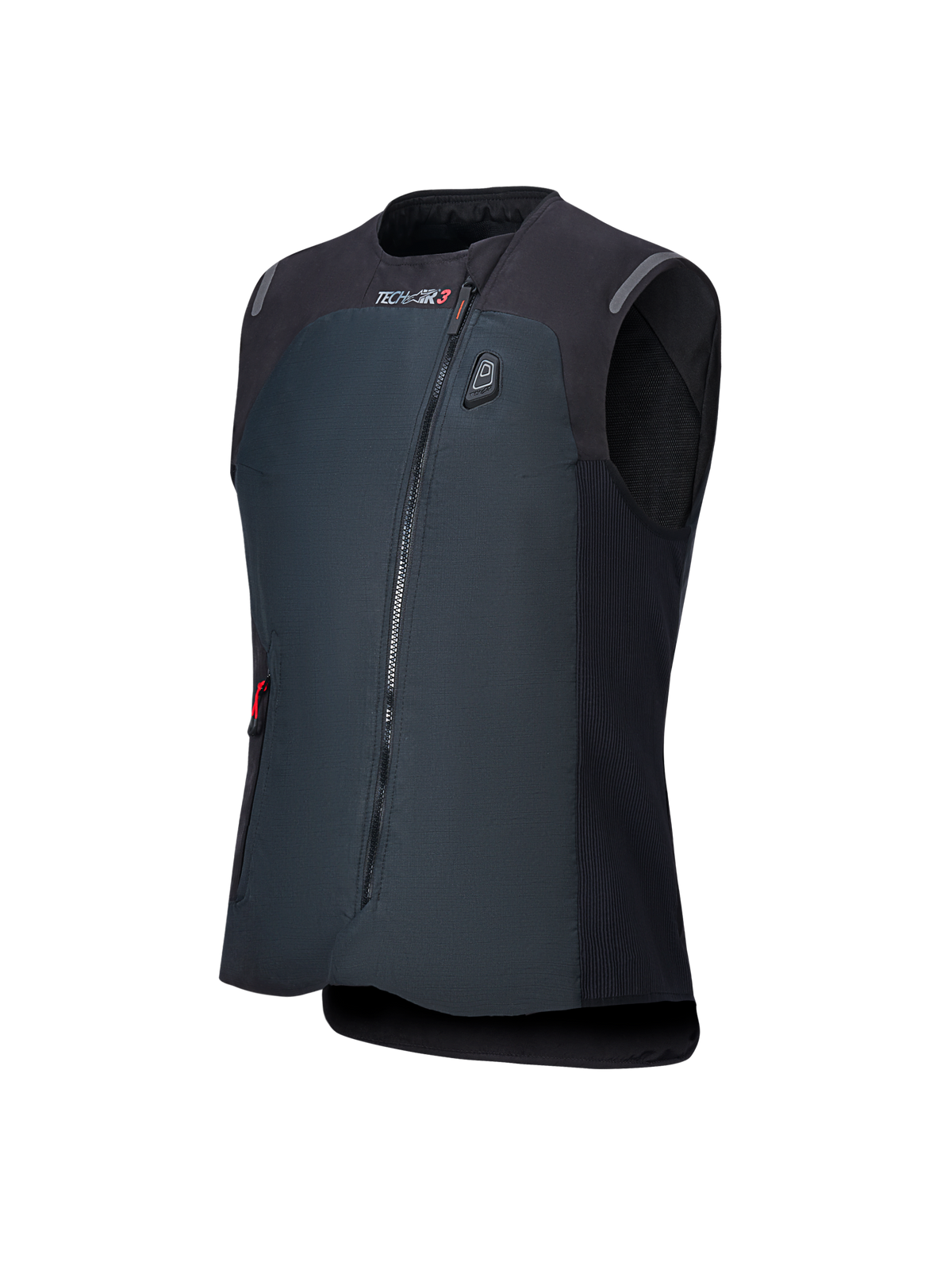
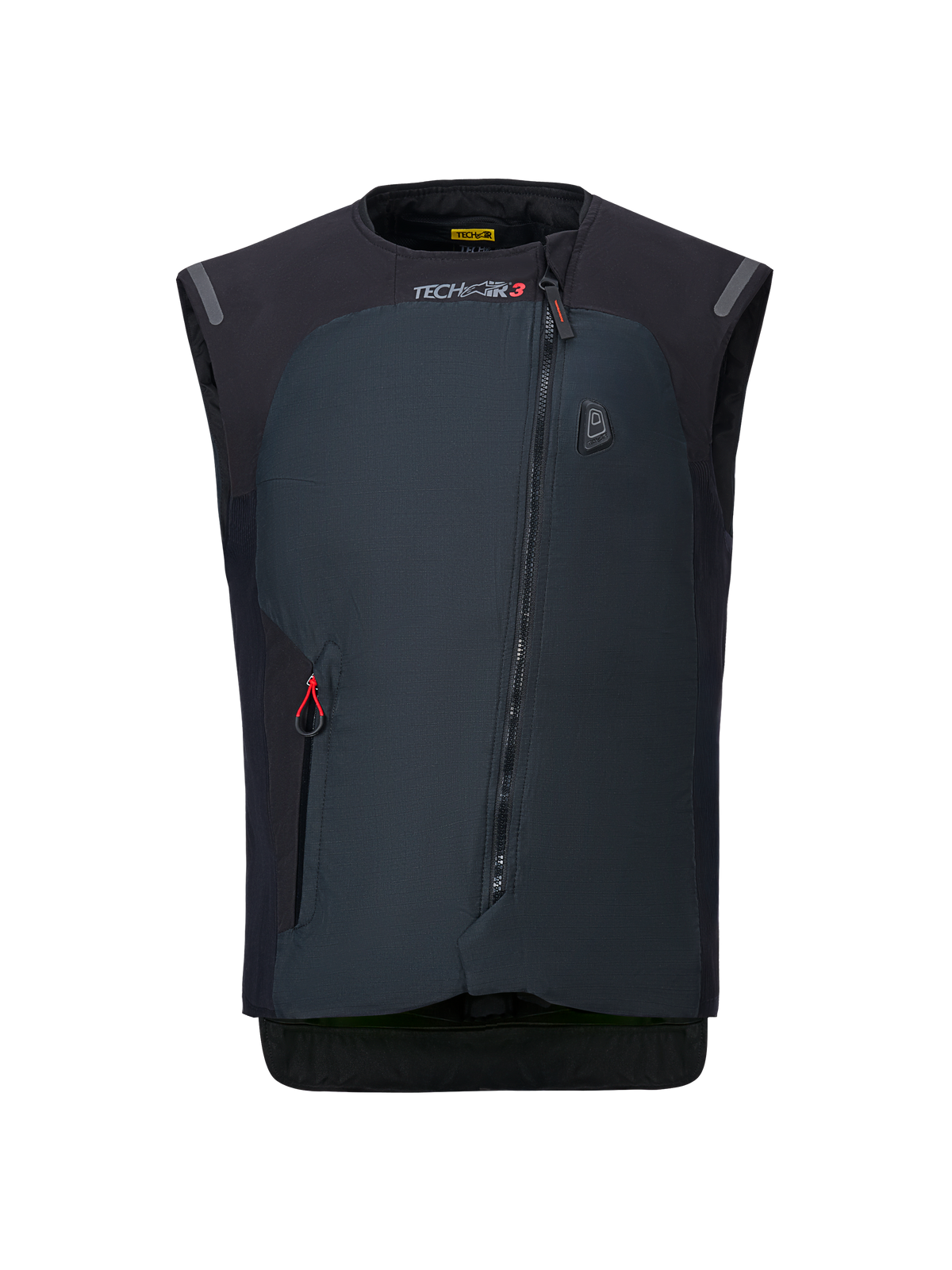
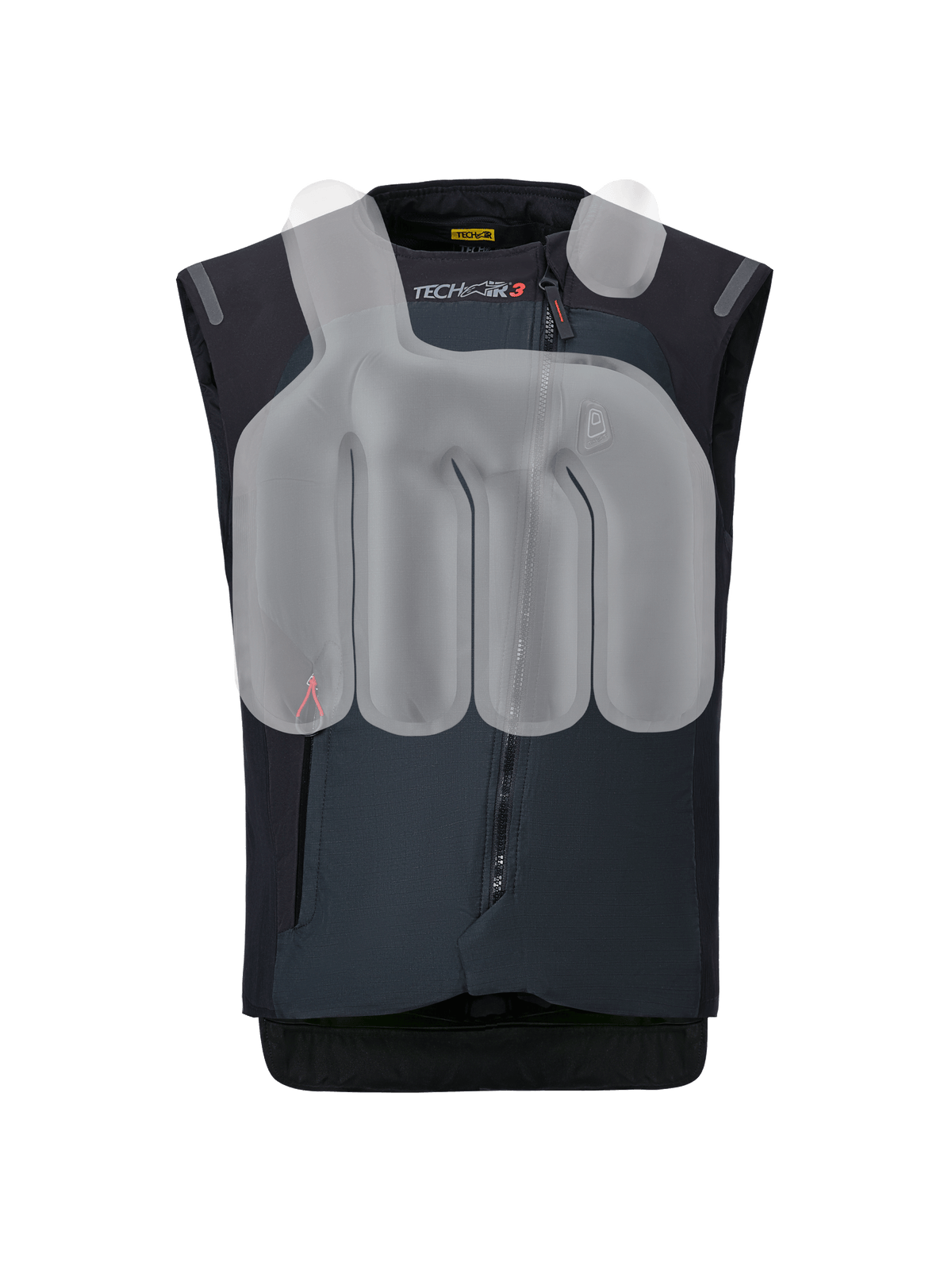
Tech-Air® 3 V2 Sistema De Airbag -
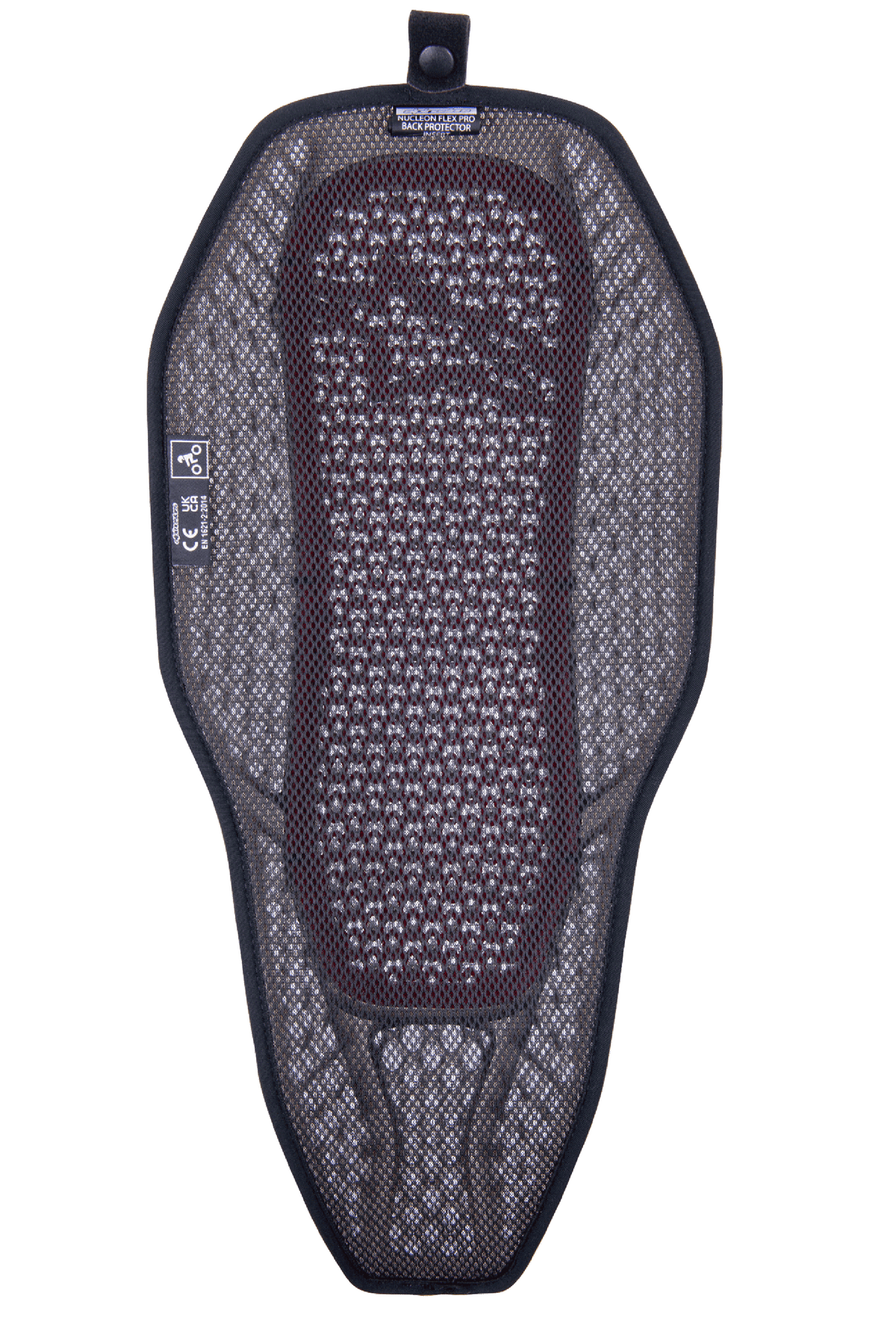
Protector Insertable De Espalda Completo Nucleon Flex Pro -
Protector De Espalda Nucleon KR-1 Cell i -
Tech-Air® 3 V2 Sistema De Airbag -
Tech-Air® 5 Sistema De Airbag -
Protectores De Cadera Nucleon Morph STEALTH -
Protector De Rodilla Nucleon Morph STEALTH -
Protector De Pecho Dividido Nucleon Plasma -
Protector De Pecho Completo Insertable Nucleon Plasma -
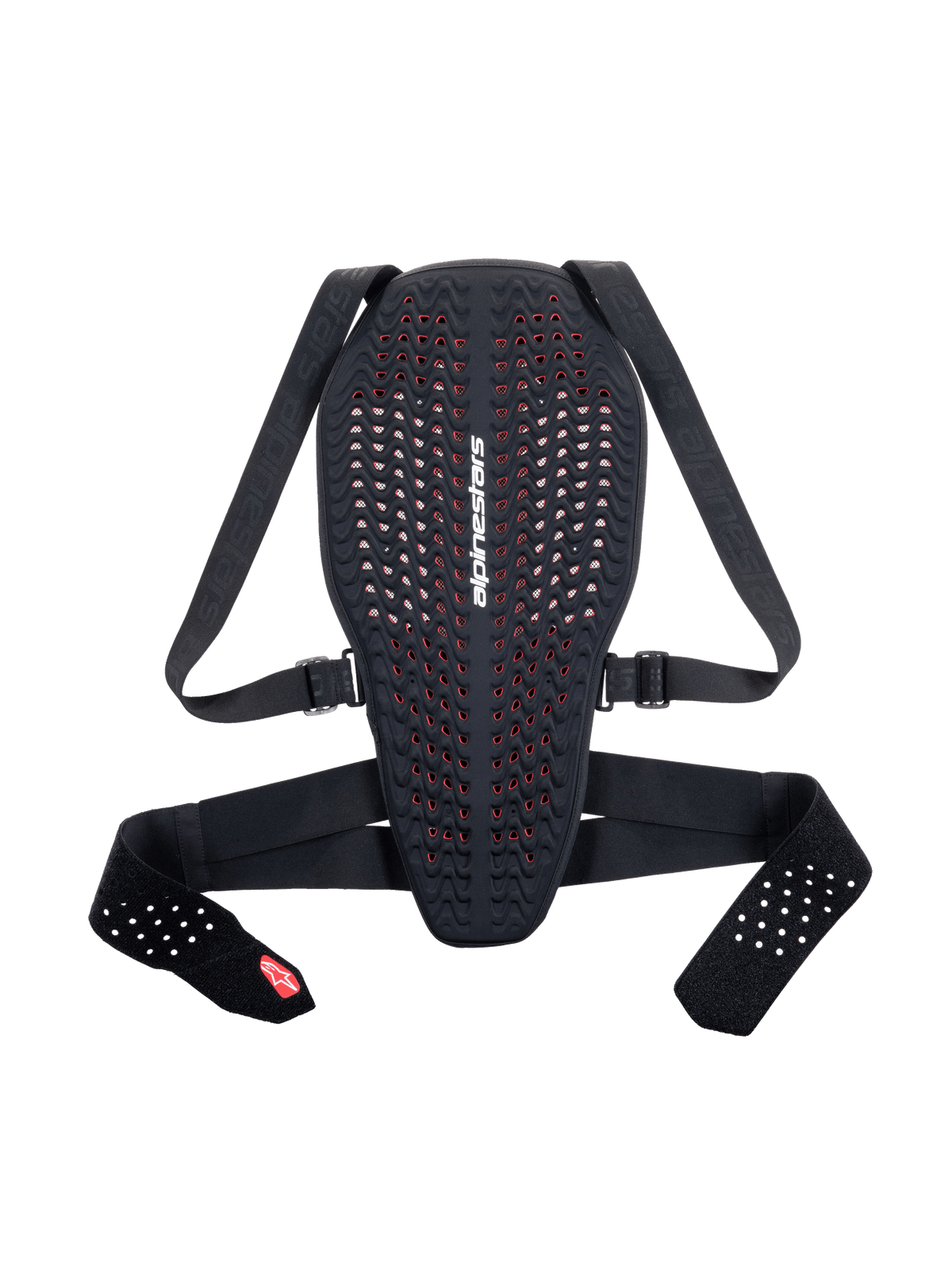
Protector De Espalda Nucleon Plasma -
Protector De Espalda Nucleon Kr-2 -
Deslizador De Rodilla GP Plus -
Deslizadores De Rodilla GP Plus -
Protector De Espalda Nucleon Kr-3 -
Protector De Espalda Nucleon Kr-Y Juvenil -
GP Tech Toe Slider -
Deslizaderas De Rodilla GP Plus -
Protector Nucleon Kr Cell Ci S -
Nucleon Plasma Protector De Pecho Completo Con Velcro -
Protectores Nucleon KR Cell Cir -
Protector De Pecho Nucleon Kr-C -
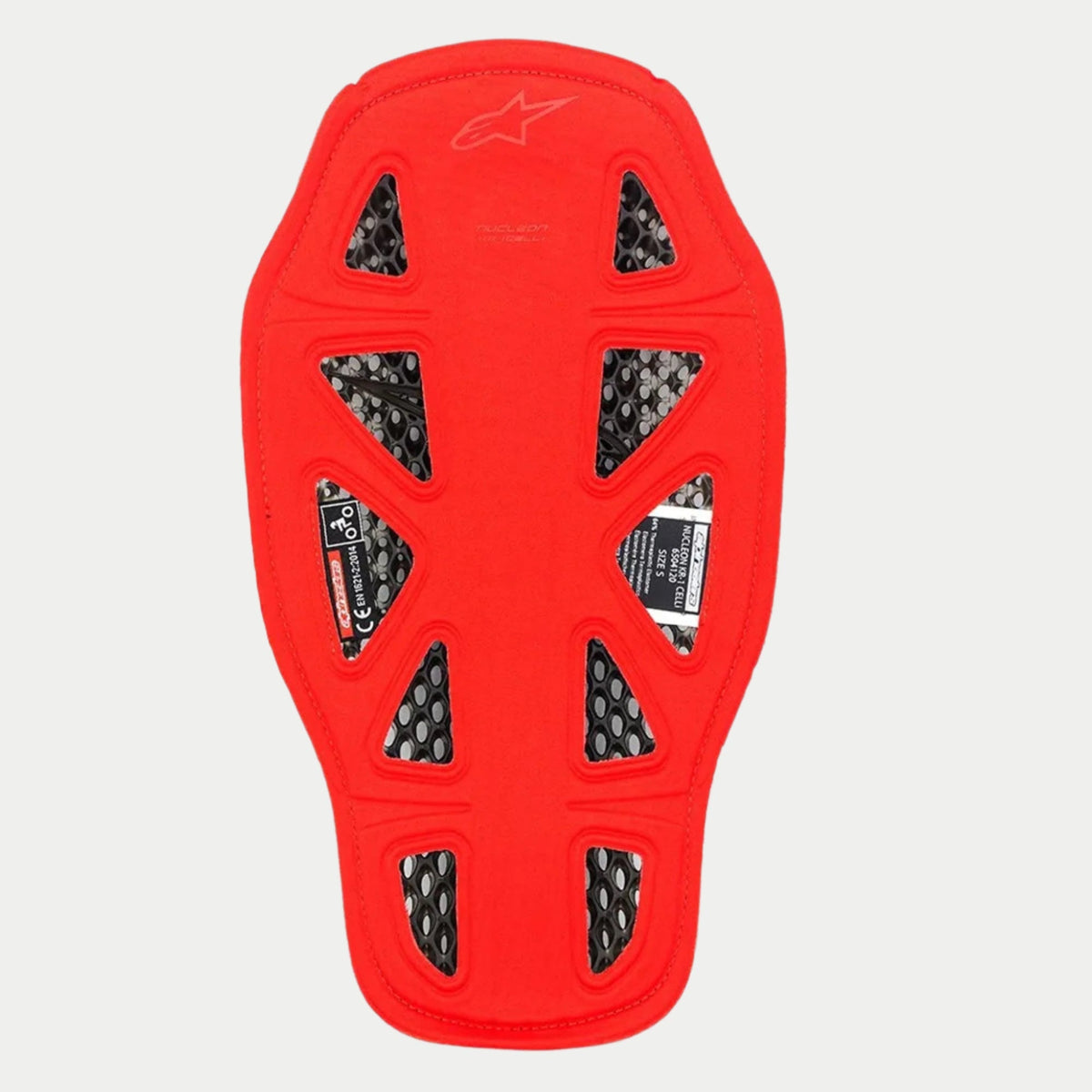
Protector De Espalda Nucleon KR-1 Cell -
Protector Insertable De Espalda Nucleon Kr-Celli




























Preguntas frecuentes Ocultar FAQ
¿Qué significan los niveles CE 1 y 2 en los chalecos protectores de moto?
Los niveles CE indican cuánta fuerza de impacto transmite un protector durante los ensayos según las normas EN. El nivel 2 permite transmitir menos fuerza que el nivel 1, por lo que ofrece una mayor capacidad de atenuación de impactos cuando el protector está correctamente ajustado.
| Norma | Zona | Nivel 1 (fuerza media máx.) | Nivel 2 (fuerza media máx.) |
|---|---|---|---|
| EN 1621‑1 | Hombro, codo, cadera, rodilla (extremidades) | ≤ 35 kN | ≤ 20 kN |
| EN 1621‑2 | Espalda | ≤ 18 kN | ≤ 9 kN |
| EN 1621‑3 | Pecho | ≤ 18 kN | ≤ 9 kN |
Elige el nivel que se adapte a tu forma de conducir y a tus necesidades de comodidad. Los niveles superiores pueden ser más gruesos o firmes; asegúrate de que el ajuste sea adecuado para que la protección se mantenga correctamente colocada sobre la moto.
¿Cómo elijo la talla y el ajuste adecuados para un protector de espalda o de pecho?
Utiliza tu altura y las medidas de tu torso y pecho, y consulta la guía de tallas de cada página de producto. Un protector de espalda debe cubrir desde la parte superior de la columna, entre los omóplatos, hacia el coxis sin interferir con el contacto con el asiento; un protector de pecho debe quedar centrado sobre el esternón y la caja torácica, sin huecos.
Pruébate los protectores en posición de conducción con las capas que tengas previsto llevar. Ajusta las correas para que el protector quede bien sujeto sin limitar el movimiento y comprueba que se mantenga en su sitio al alcanzar los mandos o mirar por encima del hombro.
¿Puedo llevar un chaleco protector debajo de mi chaqueta o con un sistema de airbag Tech‑Air?
La mayoría de los protectores para carretera están diseñados para llevarse debajo de una chaqueta o un mono de moto. Si tu prenda exterior tiene bolsillos para protecciones extraíbles, puedes llevar protectores independientes debajo, siempre que haya espacio suficiente para colocarlos correctamente y moverte con libertad.
Para usar un airbag, lleva únicamente prendas y capas claramente identificadas como «Tech‑Air Compatible/Ready» y sigue las instrucciones del sistema. Evita añadir carcasas rígidas sobre un airbag, salvo que el sistema concreto lo permita. Para obtener más información, consulta los sistemas Tech‑Air y el verificador de compatibilidad Tech‑Air.
¿Qué diferencia hay entre las protecciones blandas, las de carcasa rígida y los deflectores de piedras y proyecciones?
Las protecciones blandas viscoelásticas se amoldan al cuerpo y se endurecen momentáneamente ante un impacto para absorber energía; su perfil bajo resulta adecuado para carretera y uso urbano. Las protecciones de carcasa rígida combinan placas rígidas con espuma que absorbe energía para aportar mayor resistencia a las perforaciones y al deslizamiento, y se utilizan habitualmente en off-road y entornos con abundantes piedras y otros materiales sueltos.
Los deflectores de piedras y proyecciones, a menudo ensayados según la norma EN 14021, están destinados principalmente a proteger frente a piedras y materiales proyectados en motocross y pueden no ofrecer atenuación de impactos con certificación CE para el pecho o la espalda. Para protegerte frente a impactos, busca las normas EN 1621‑3 (pecho) y EN 1621‑2 (espalda). Explora las opciones de las categorías de protección de pecho para moto y protección MX.
¿Cómo debo limpiar y cuidar los chalecos protectores de moto?
Retira los protectores de las prendas antes de lavar la ropa exterior. Limpia los protectores con un paño húmedo y jabón suave; no utilices disolventes, lejía ni calor elevado. Déjalos secar al aire, lejos de la luz solar directa o de fuentes de calor, y evita la compresión prolongada, que puede deformar las almohadillas.
Revisa los protectores periódicamente y después de cualquier caída o accidente. Sustituye los que presenten grietas, deformaciones permanentes o que ya no encajen correctamente en tu equipamiento.