
17 resultados
-
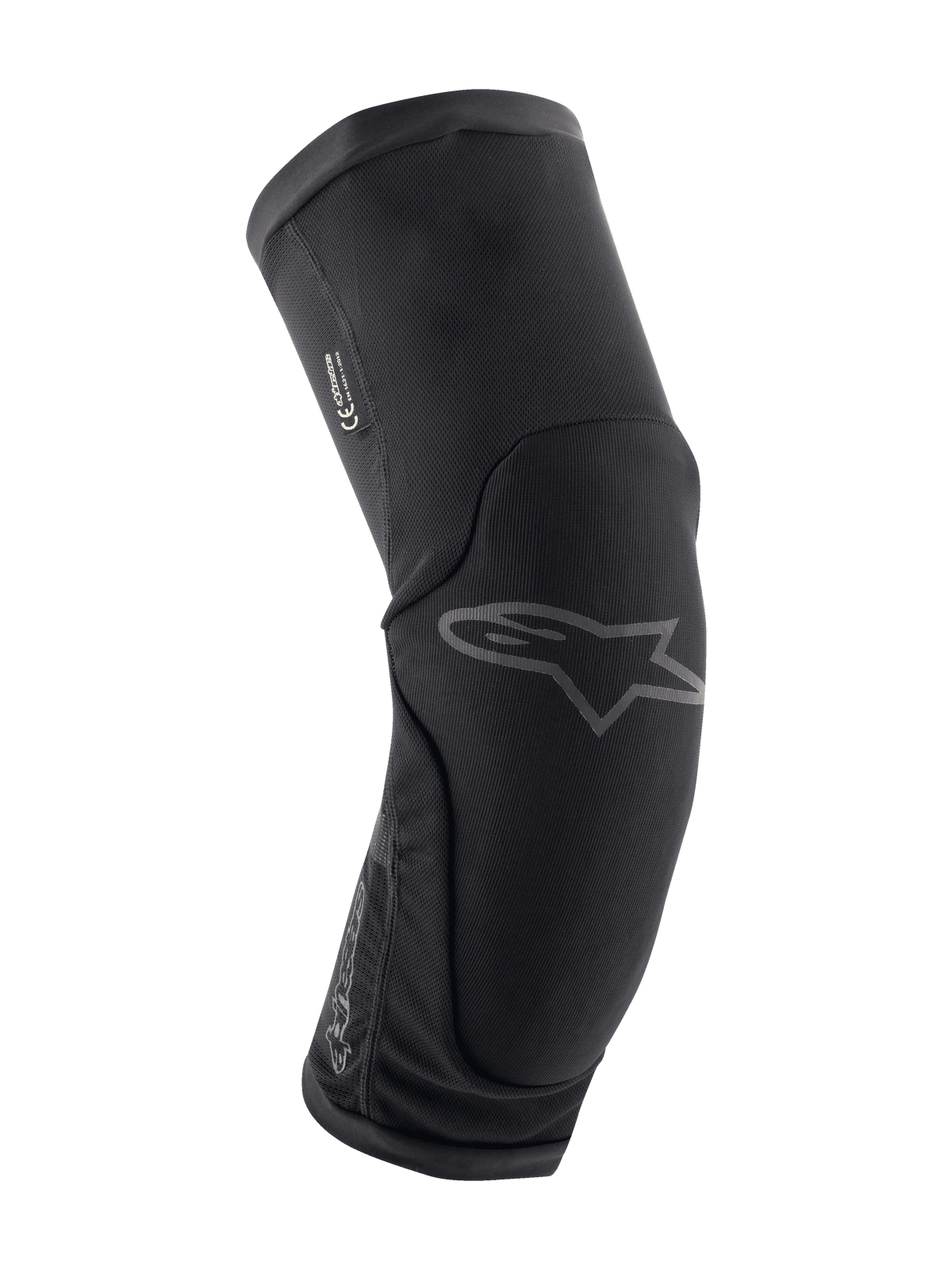
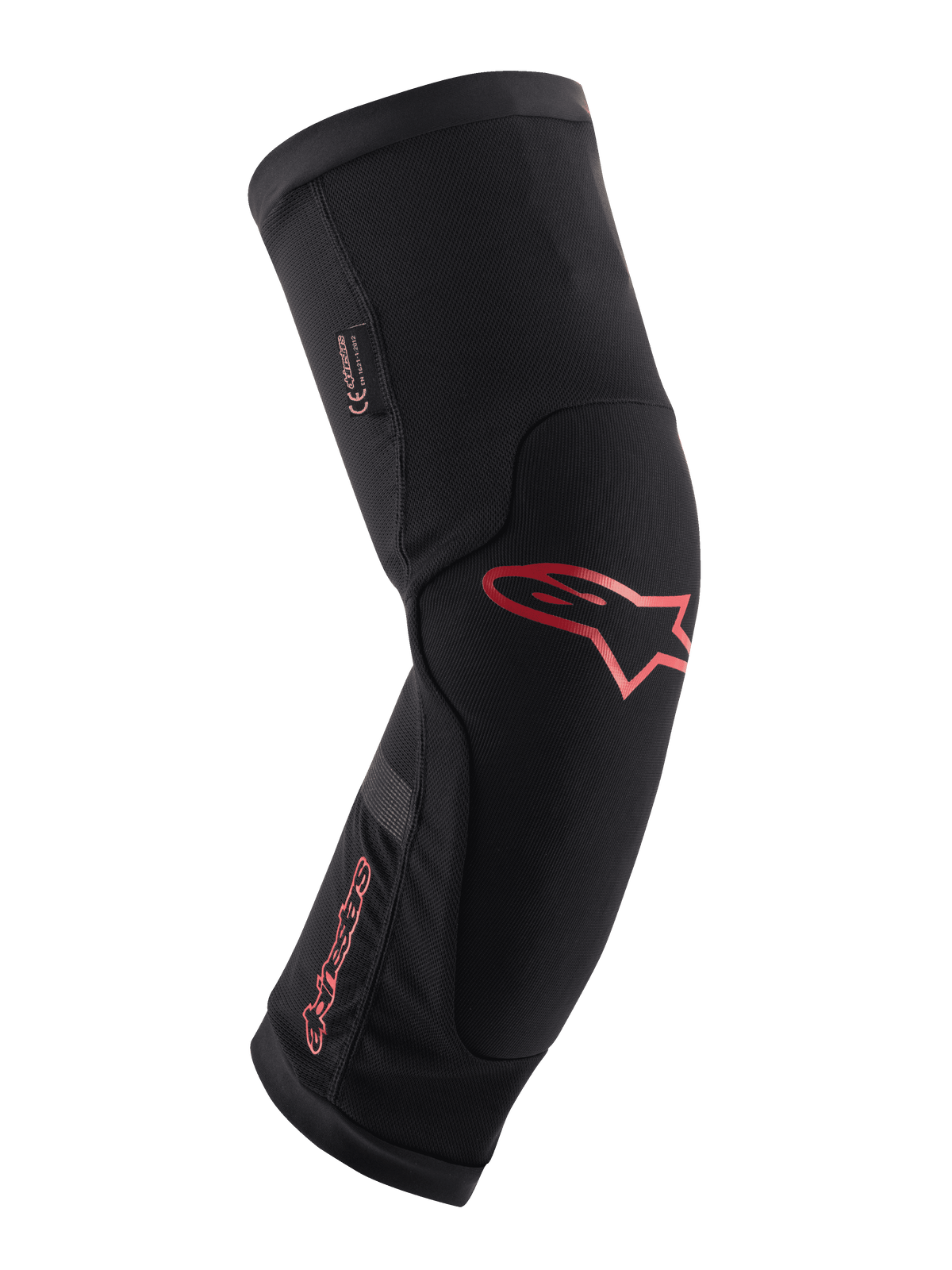
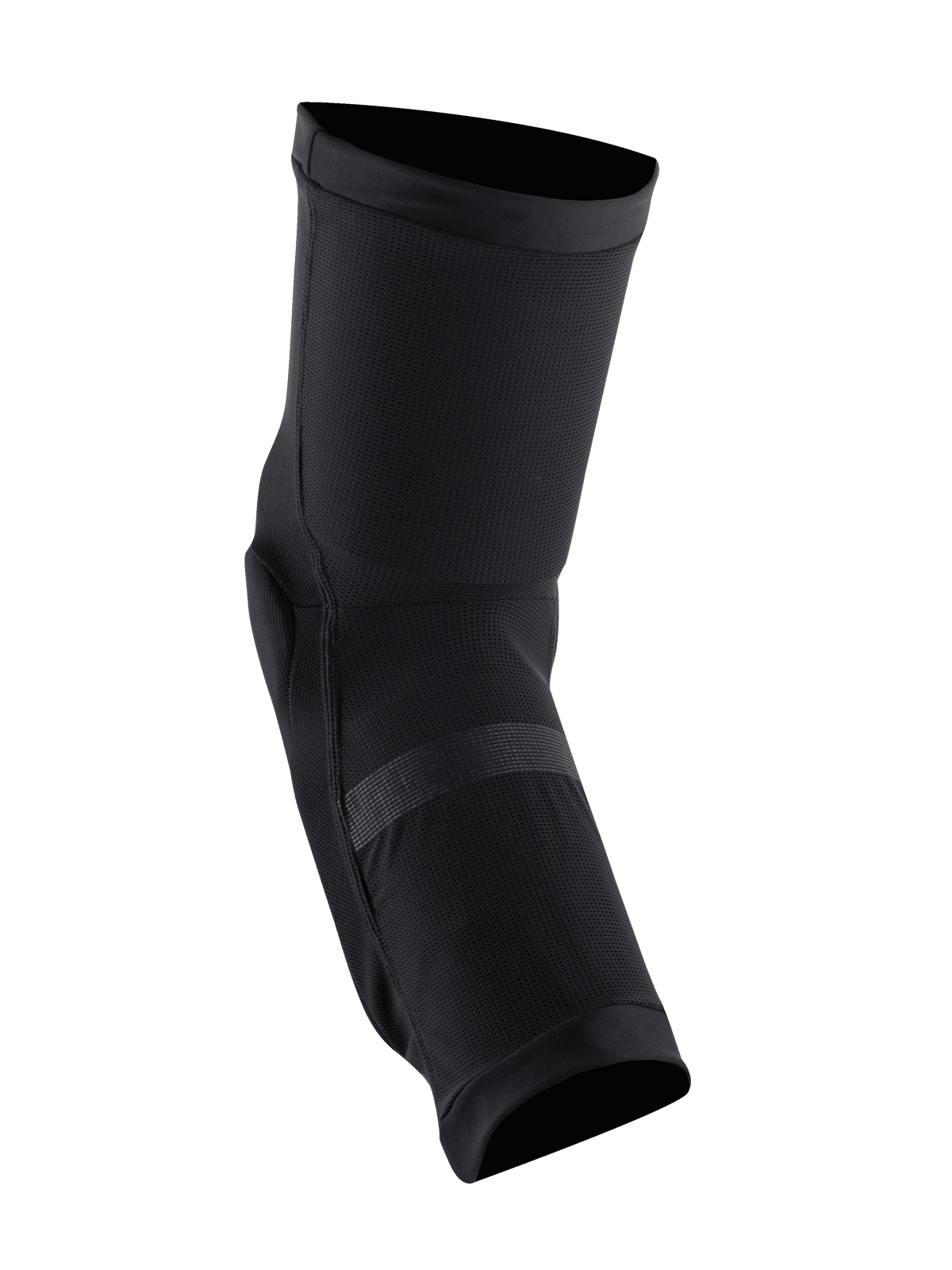
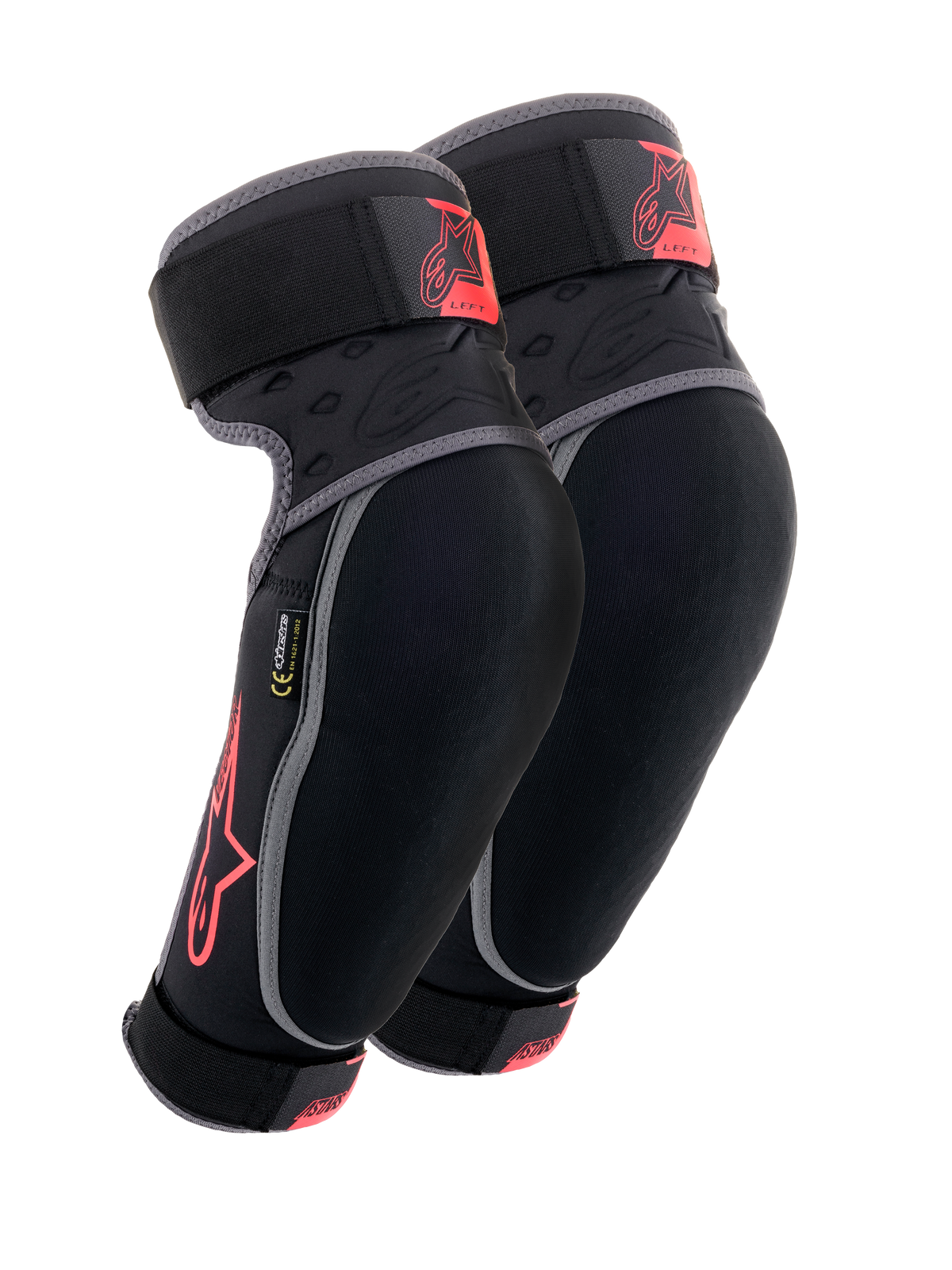
Protección Para Rodillas/Tibias Paragon Plus -
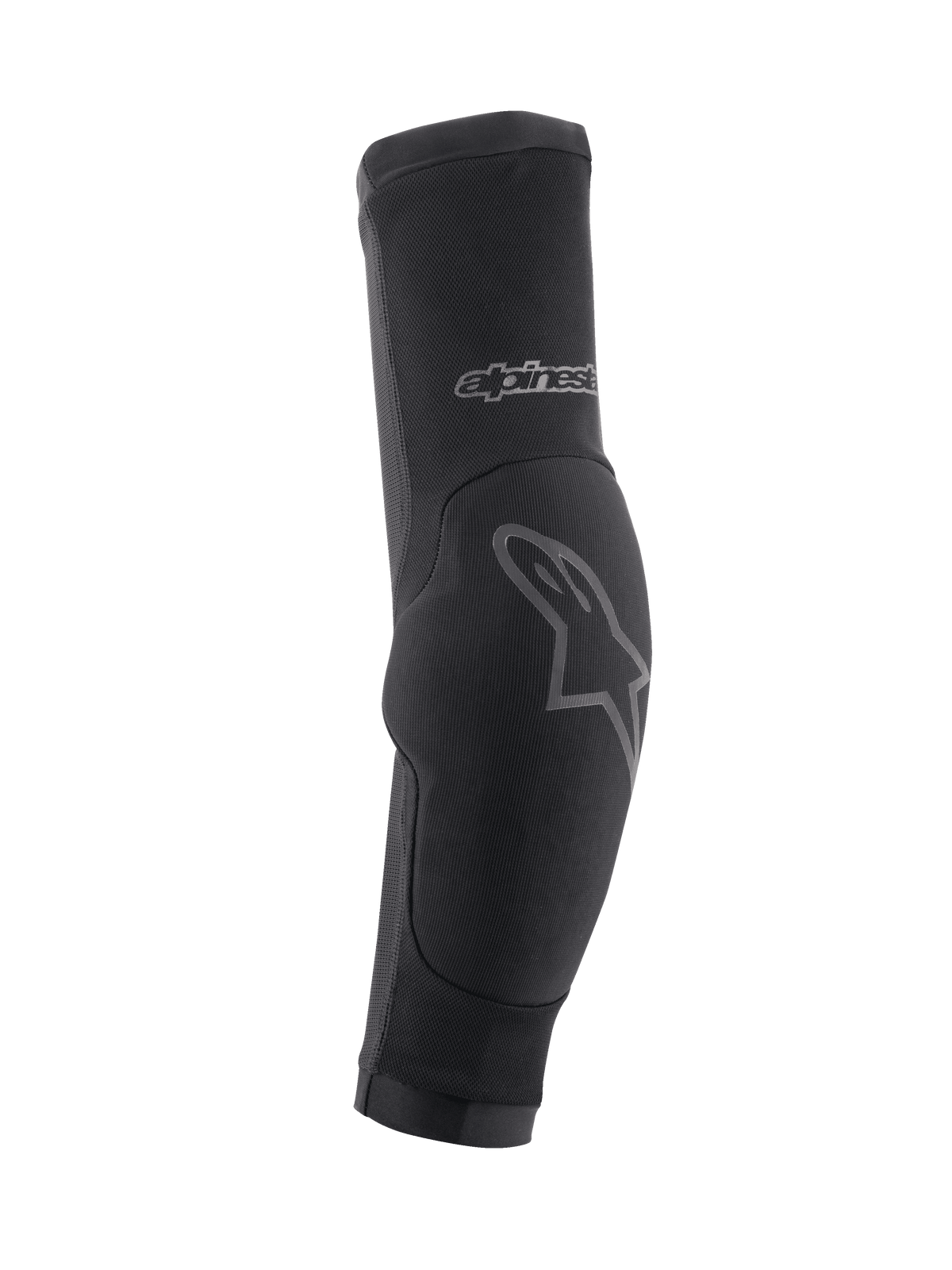
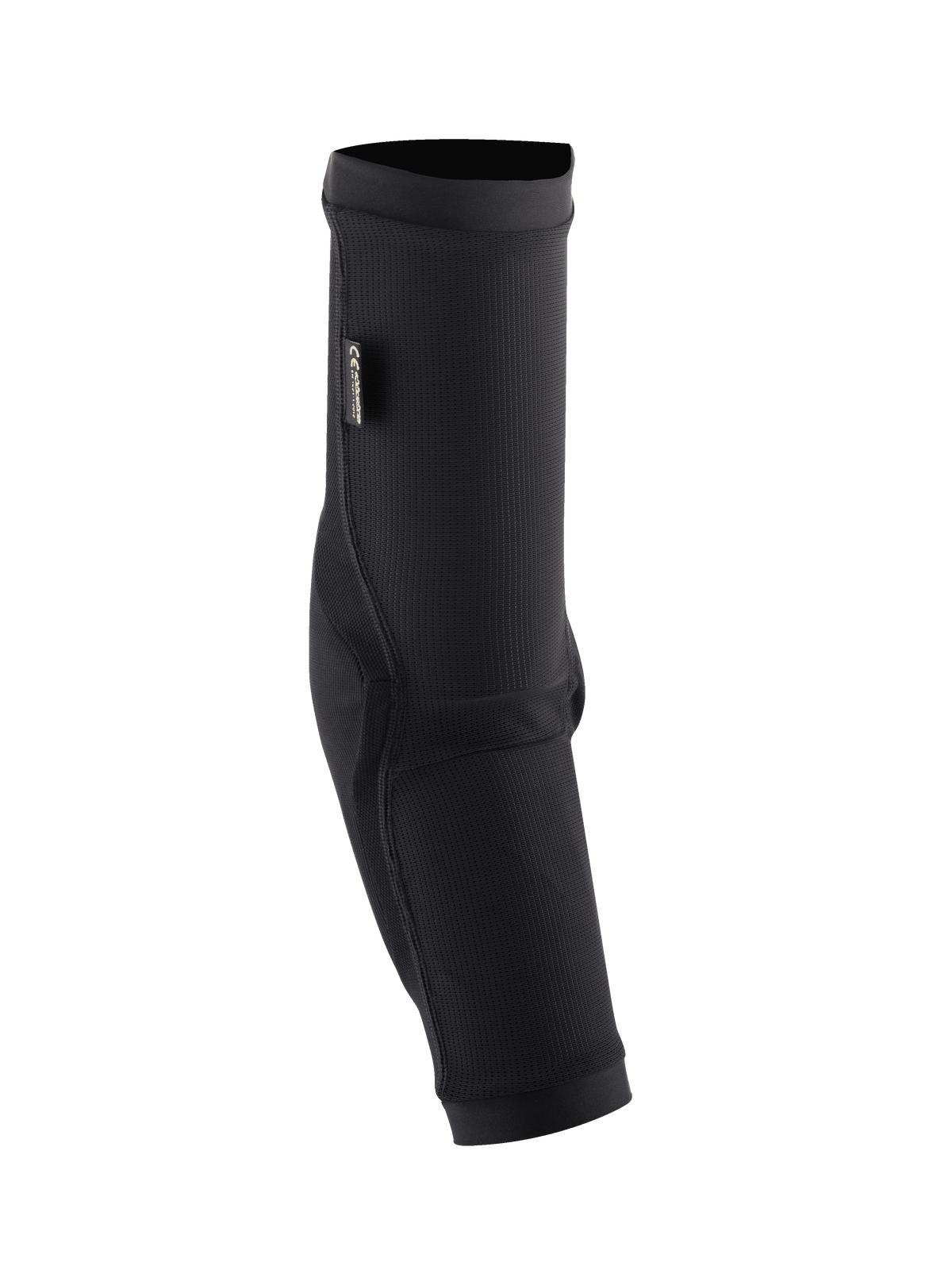
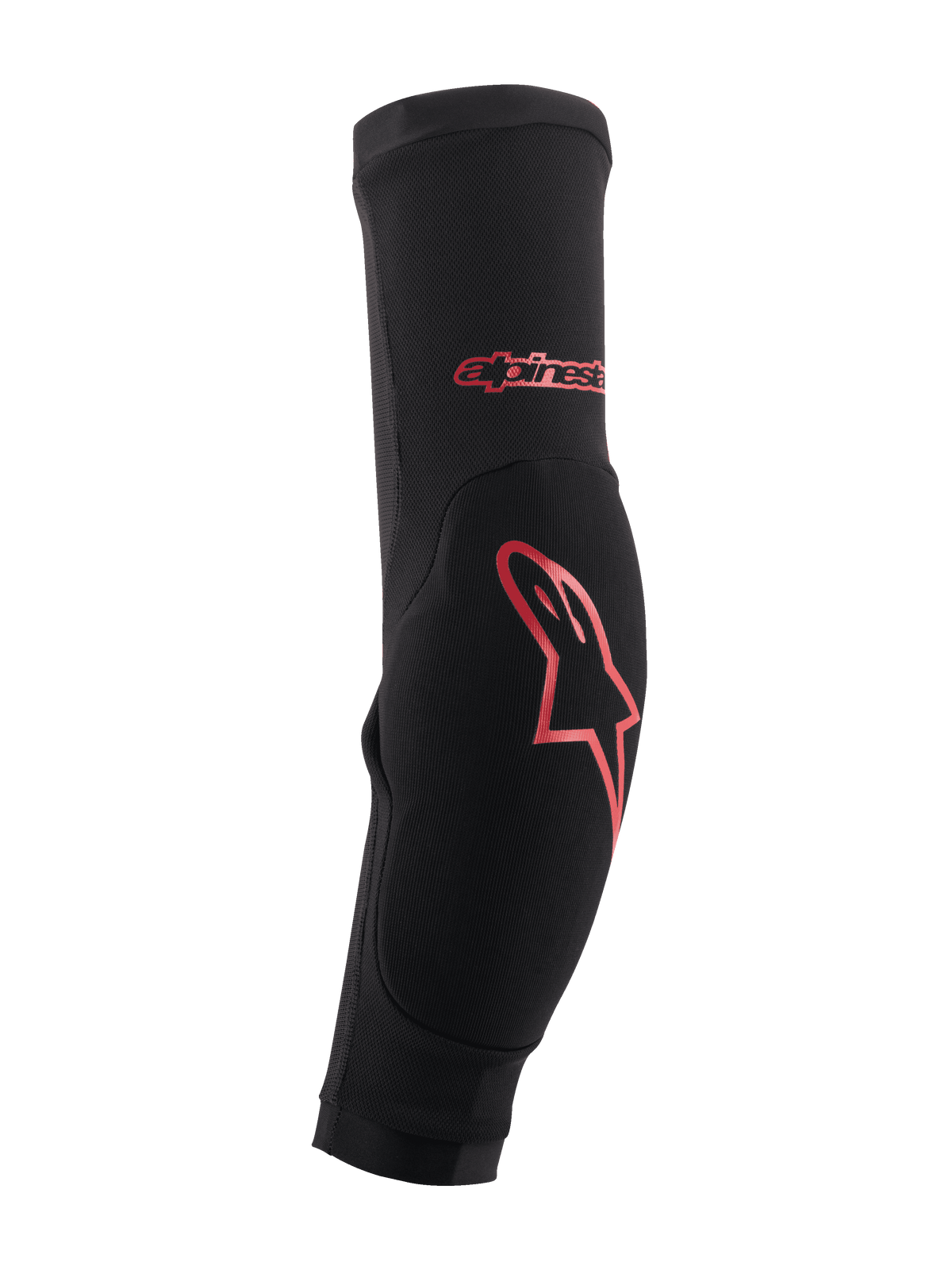
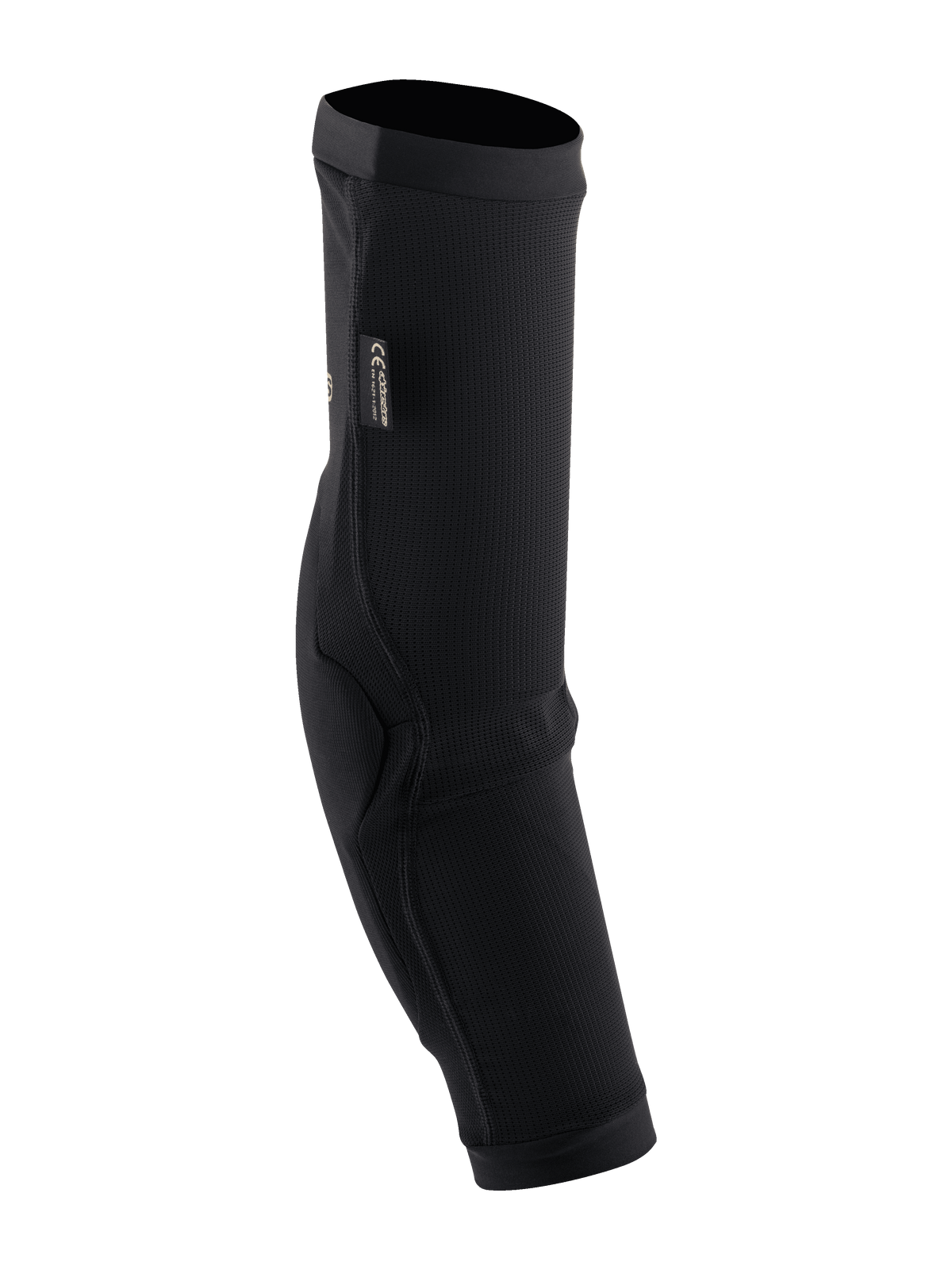
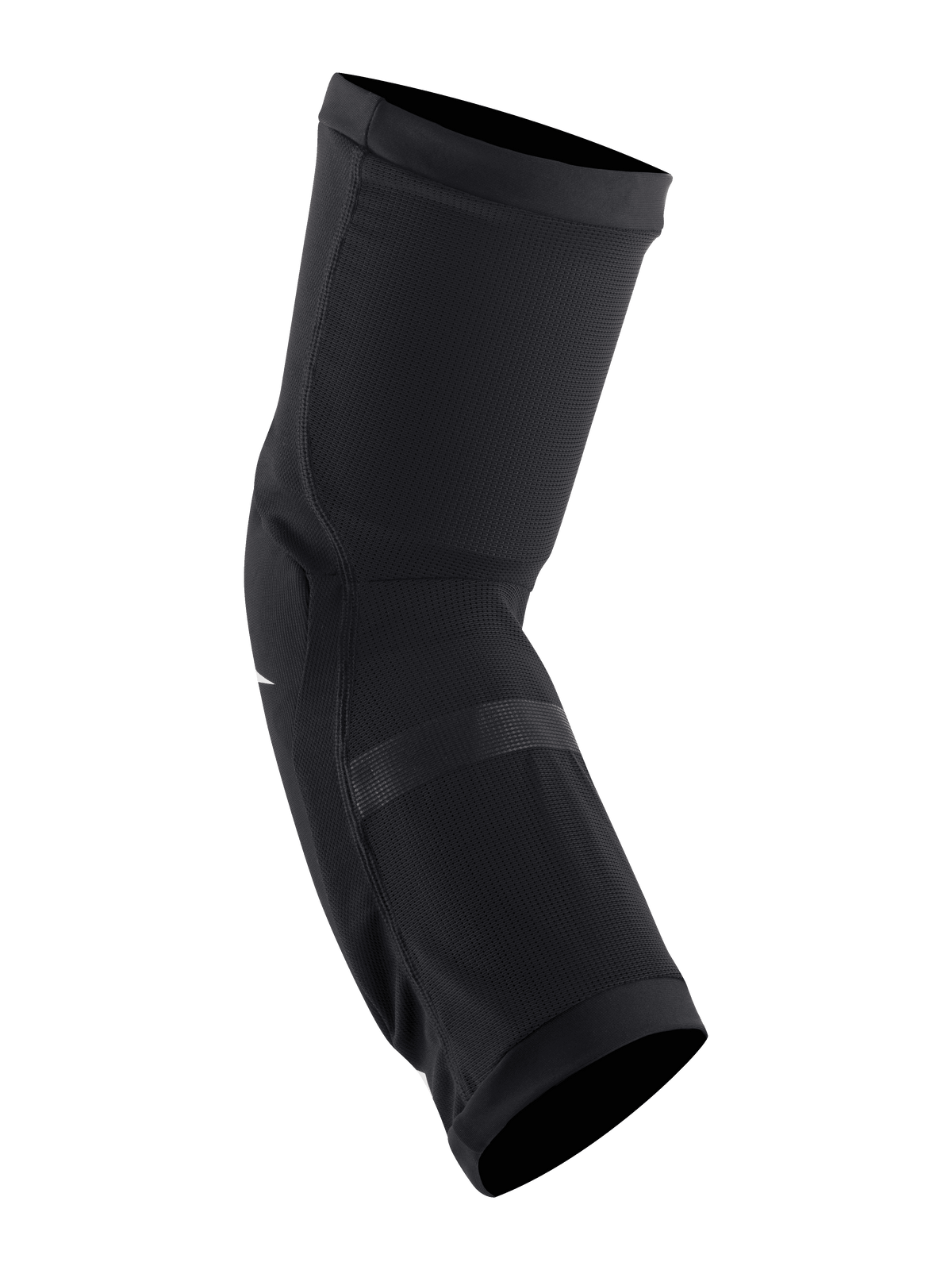
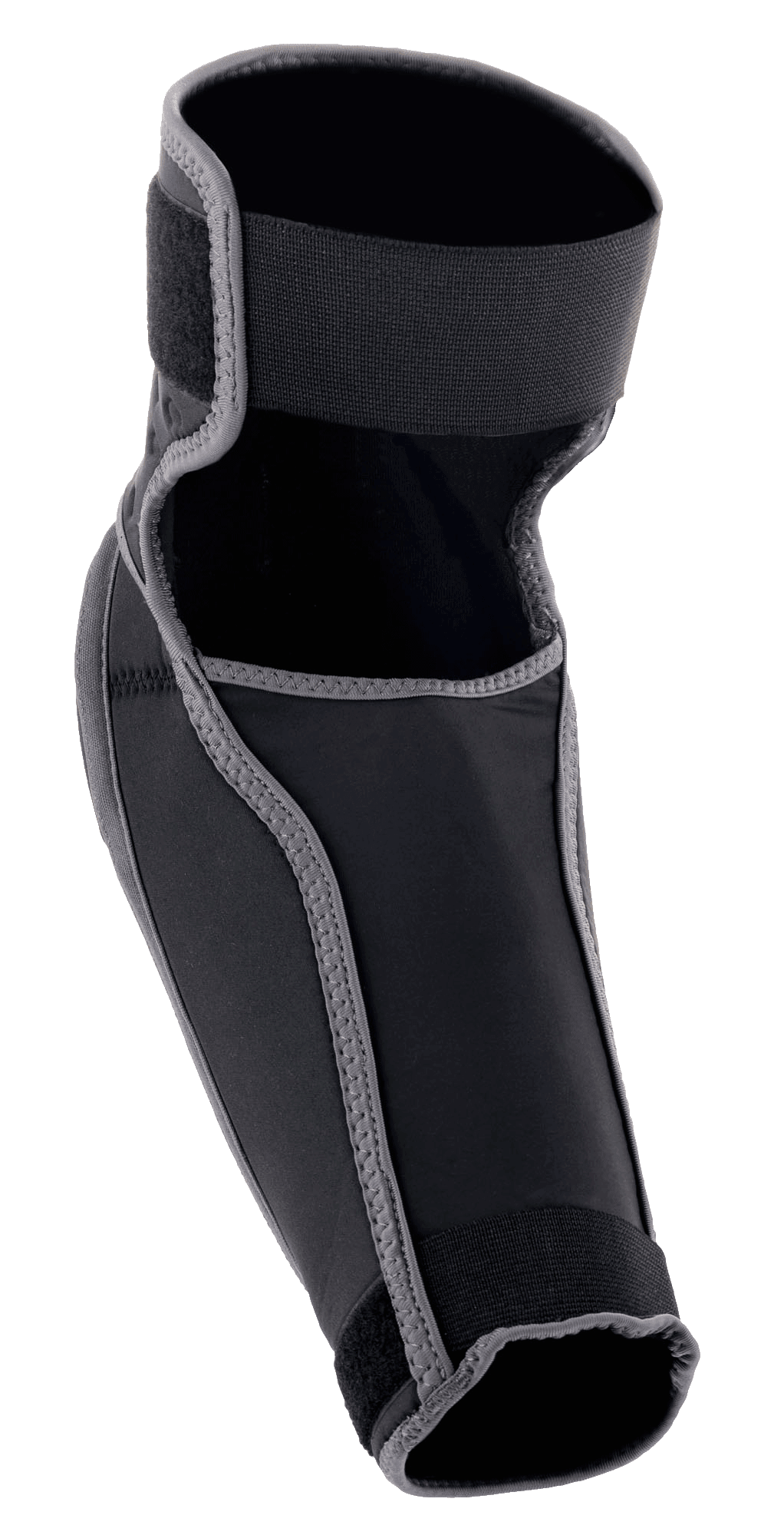
Protectores De Codo Paragon Plus -
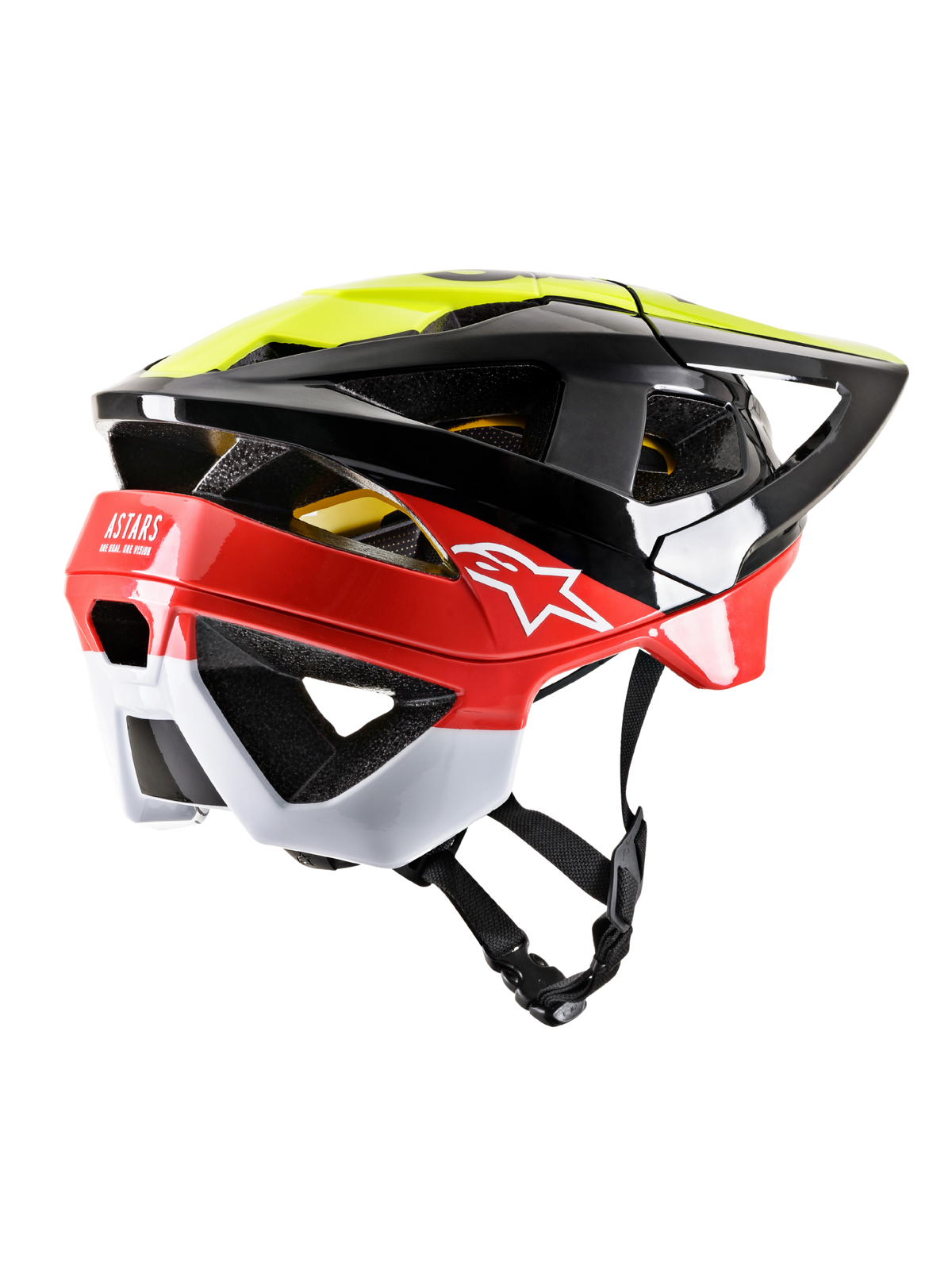
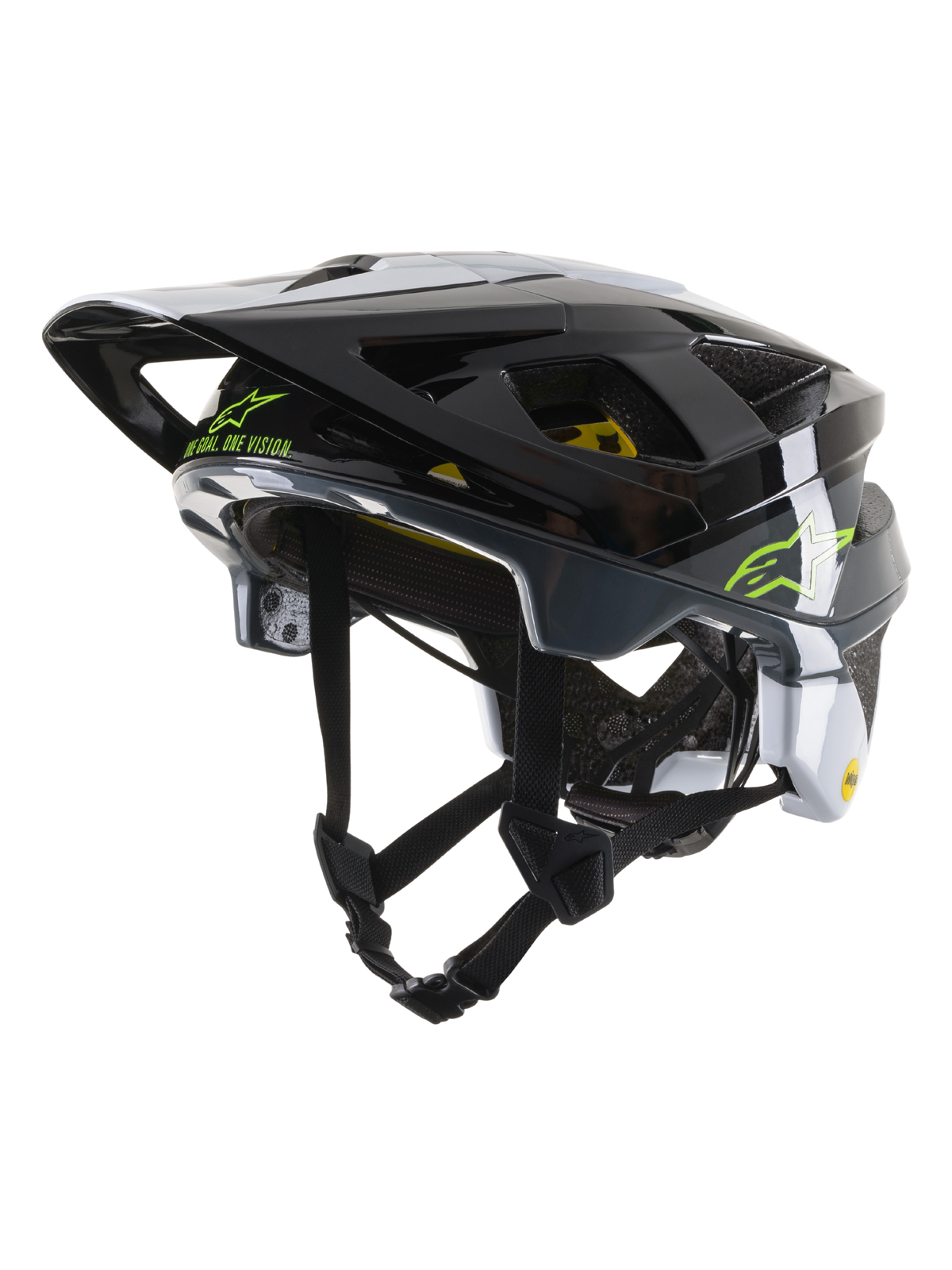
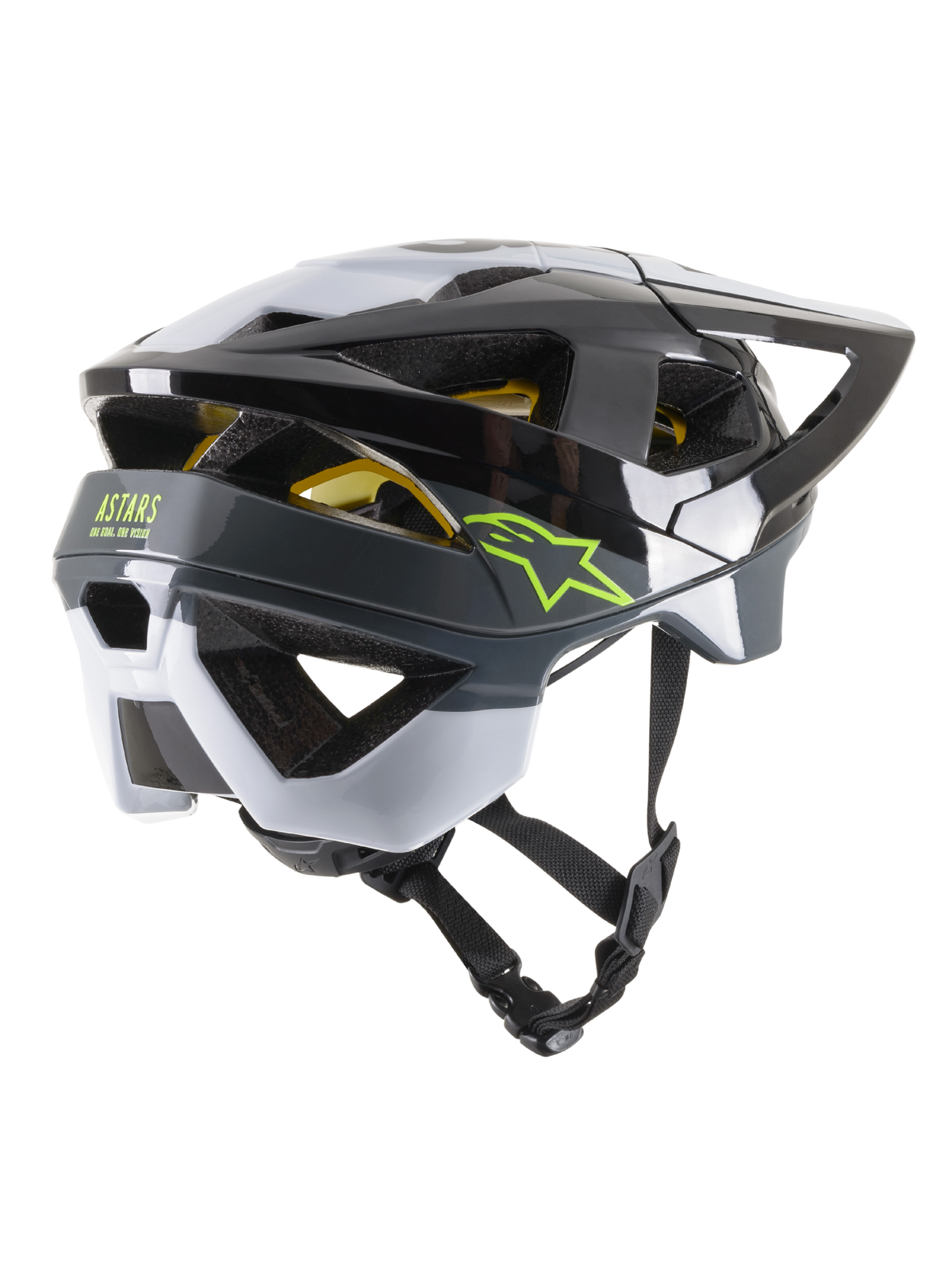
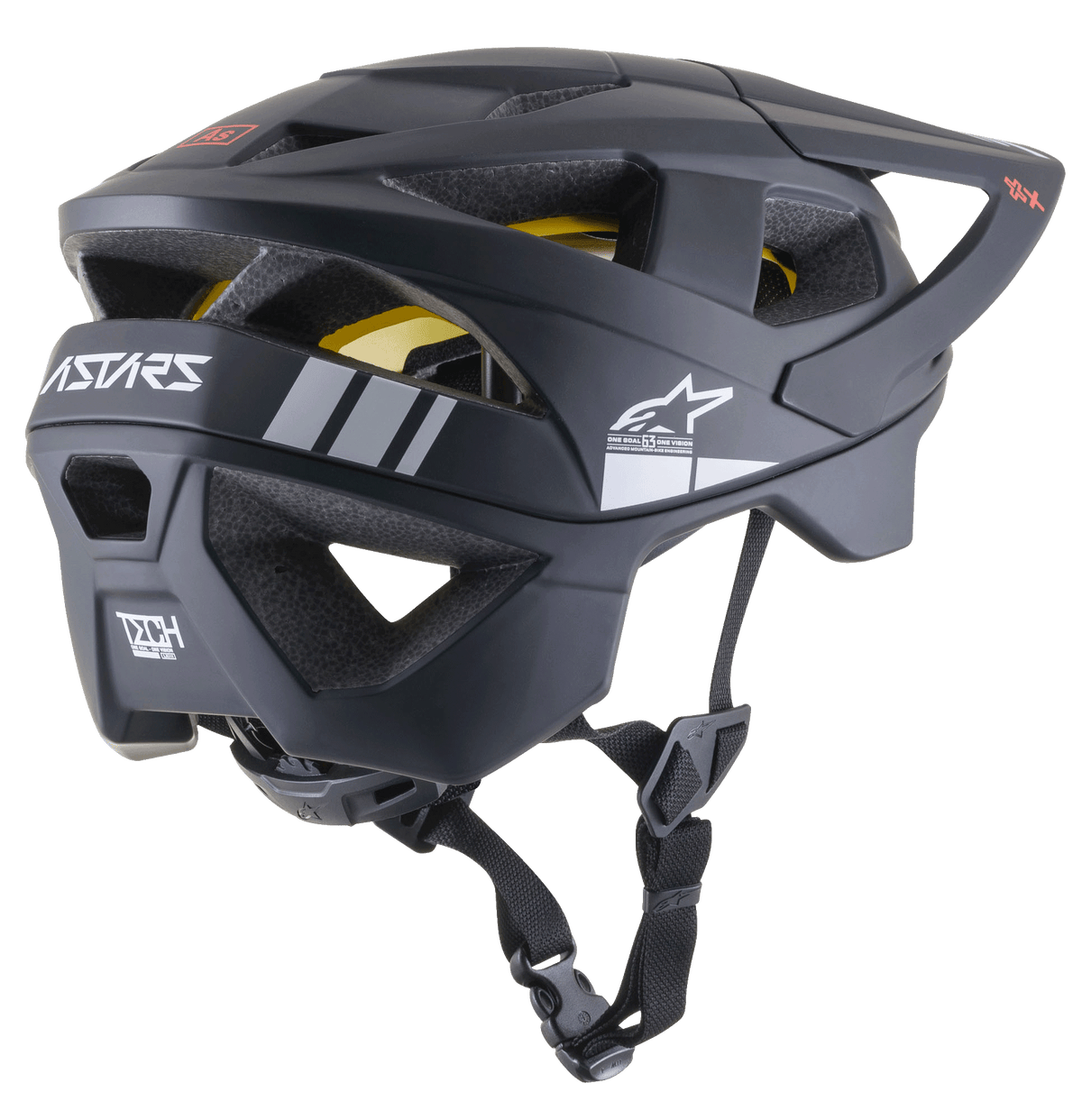
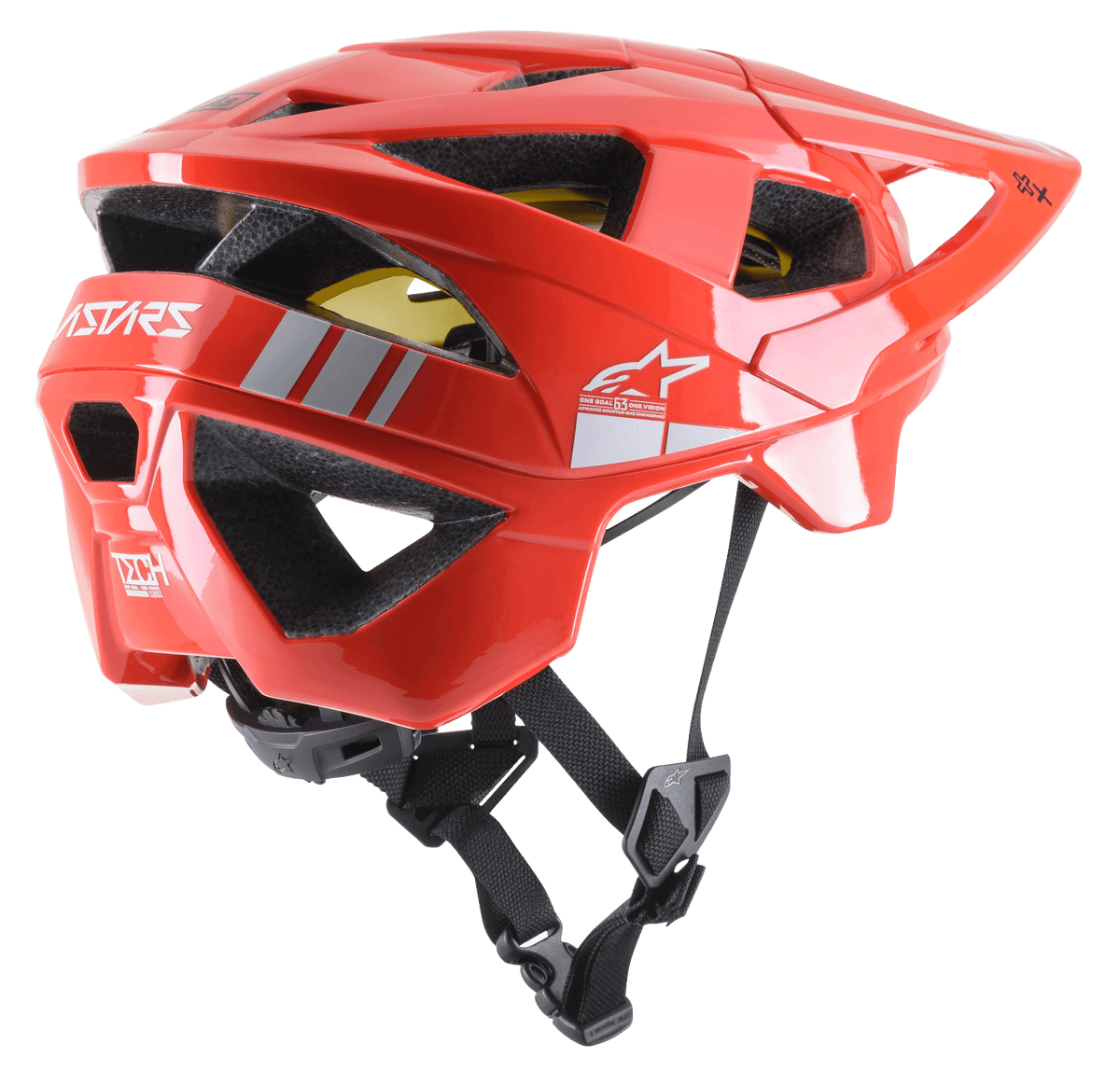
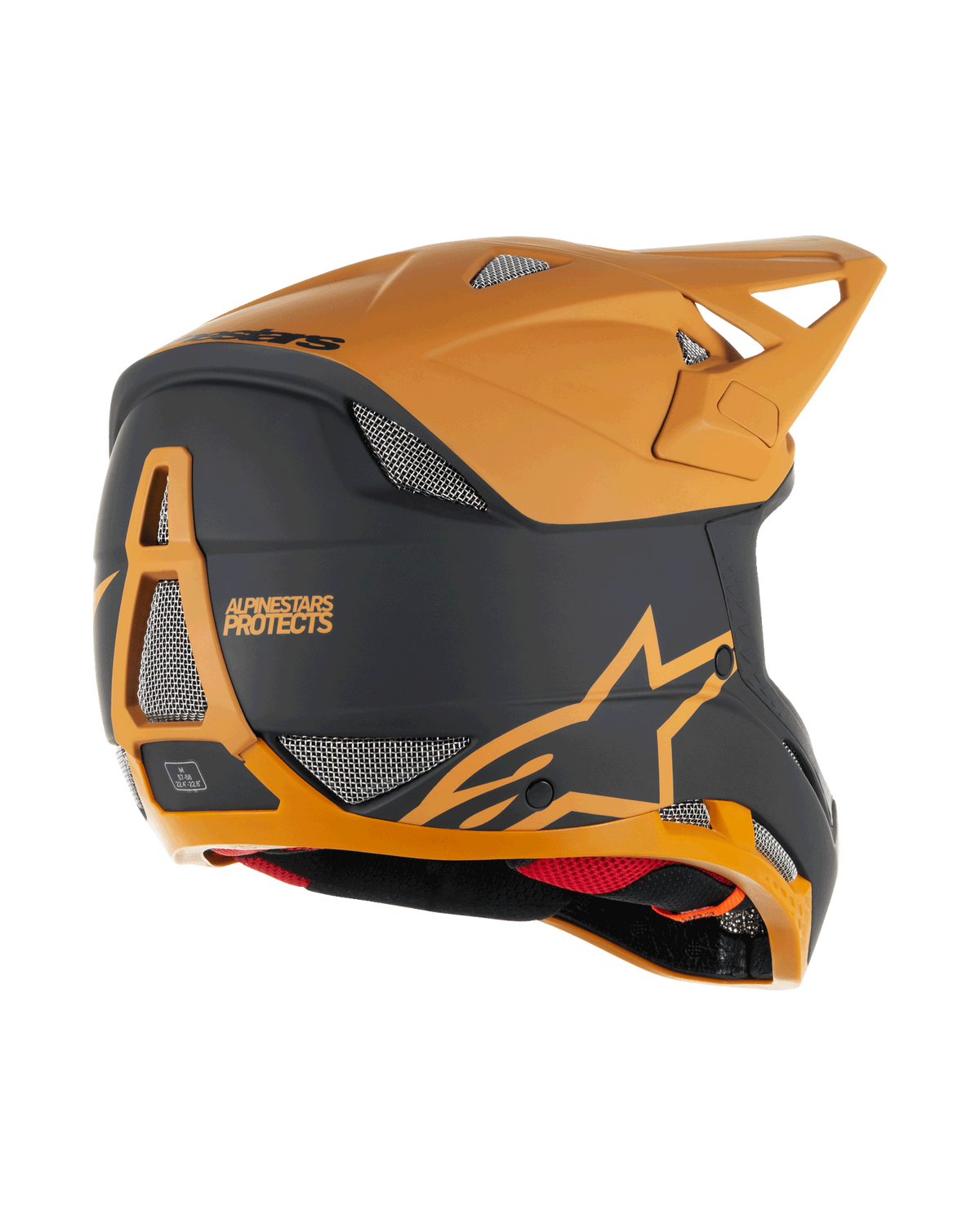
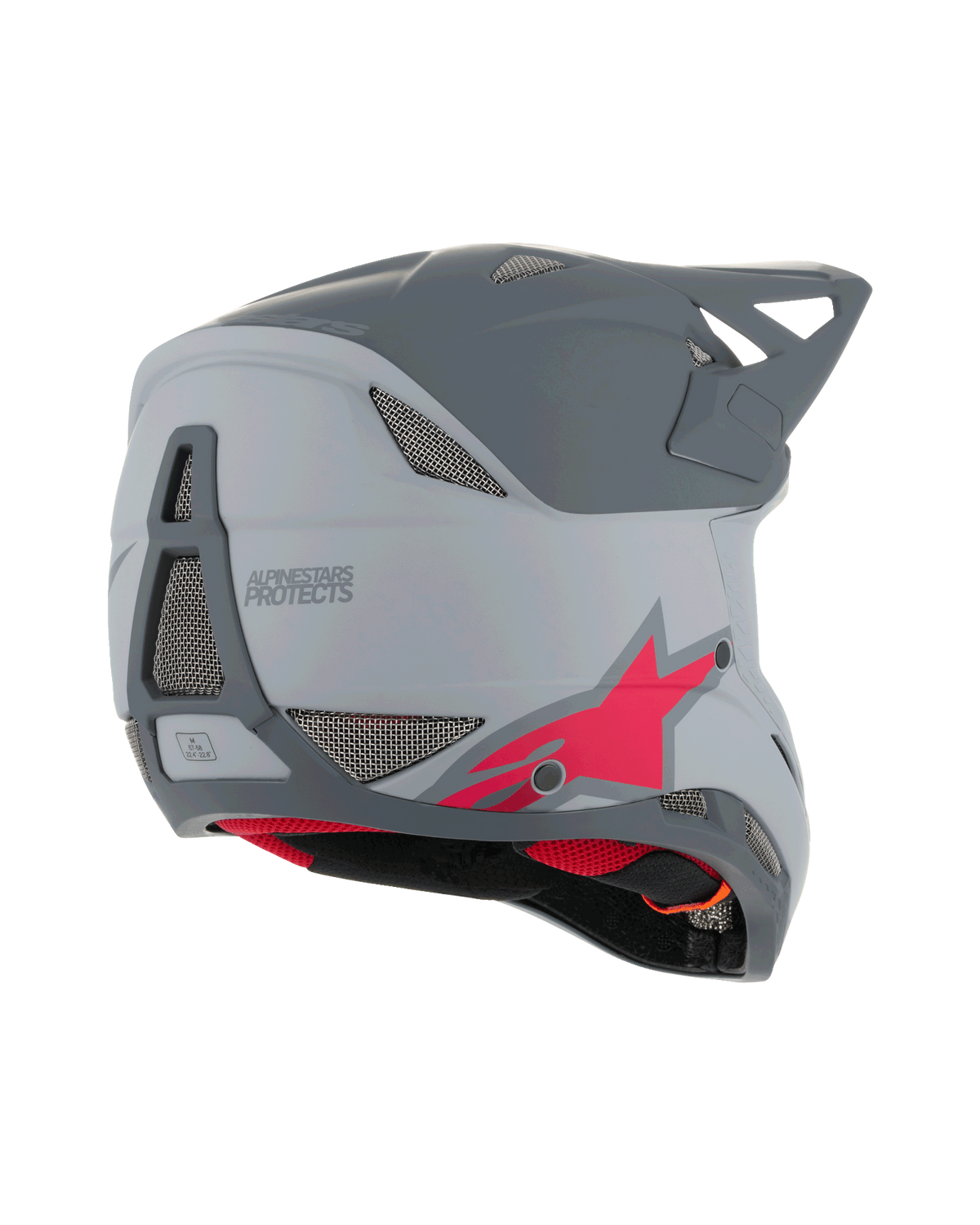
Casco Vector Tech Pilot MTB CE -
Casco Vector Tech Pilot Ce -
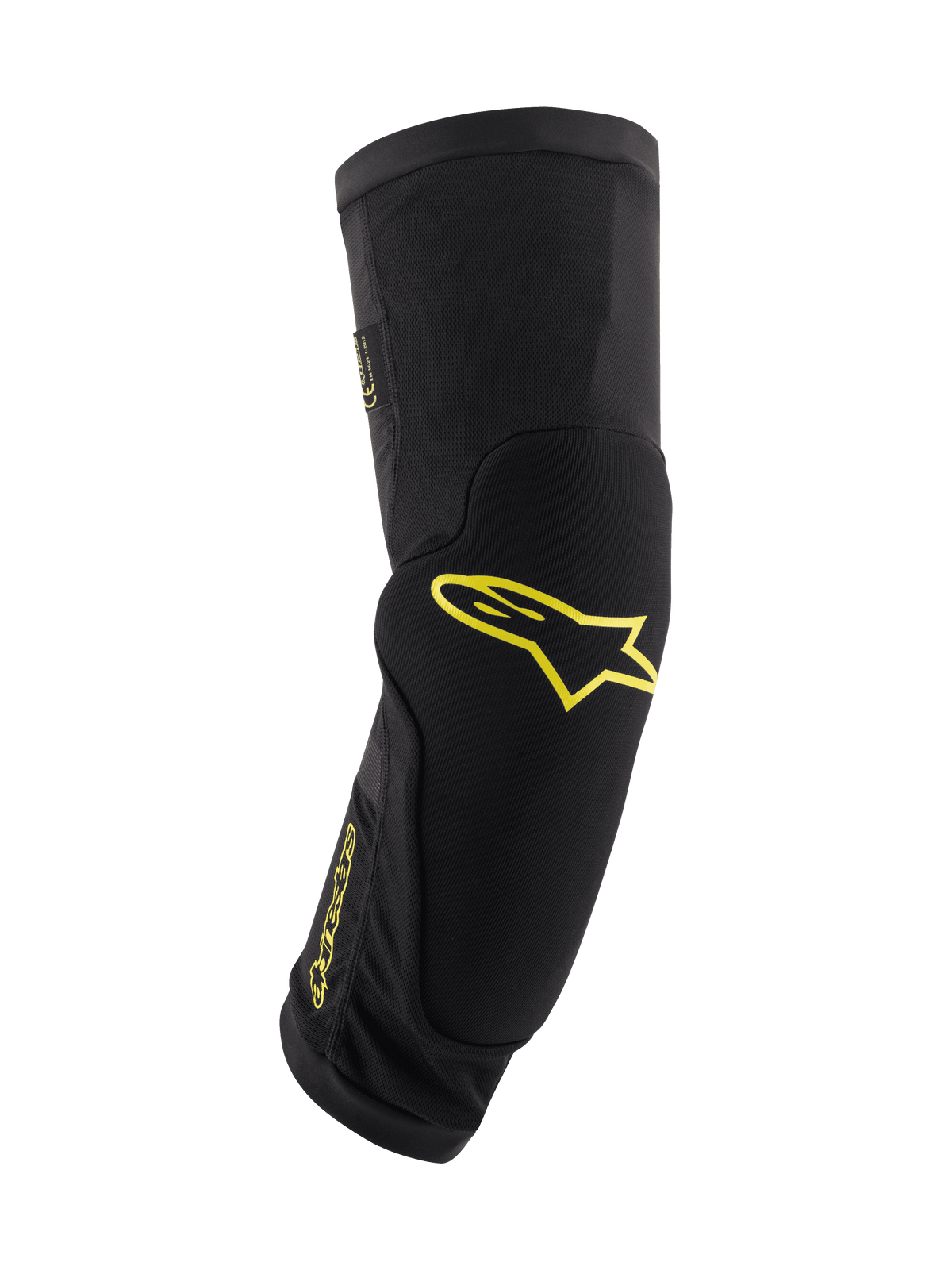
Protectores De Rodillas Paragon Plus -
Protectores De Codo Paragon Plus -
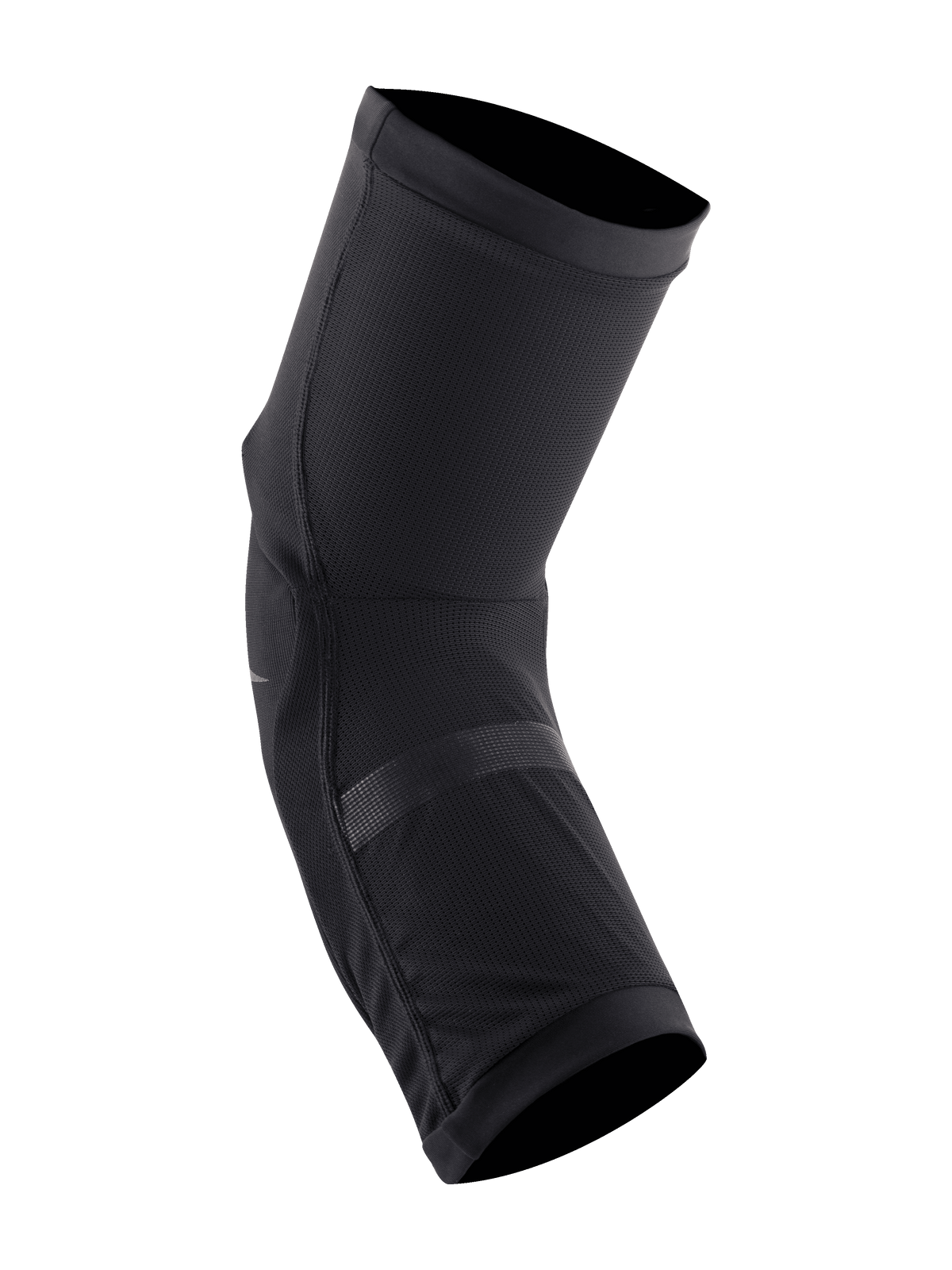
Rodilleras Paragon Plus -
Protectores De Codo Paragon Plus -
Protectores De Rodillas Paragon Plus -
Casco Vector Tech A1 MTB ECE -
Casco Vector Tech A2 MTB ECE -
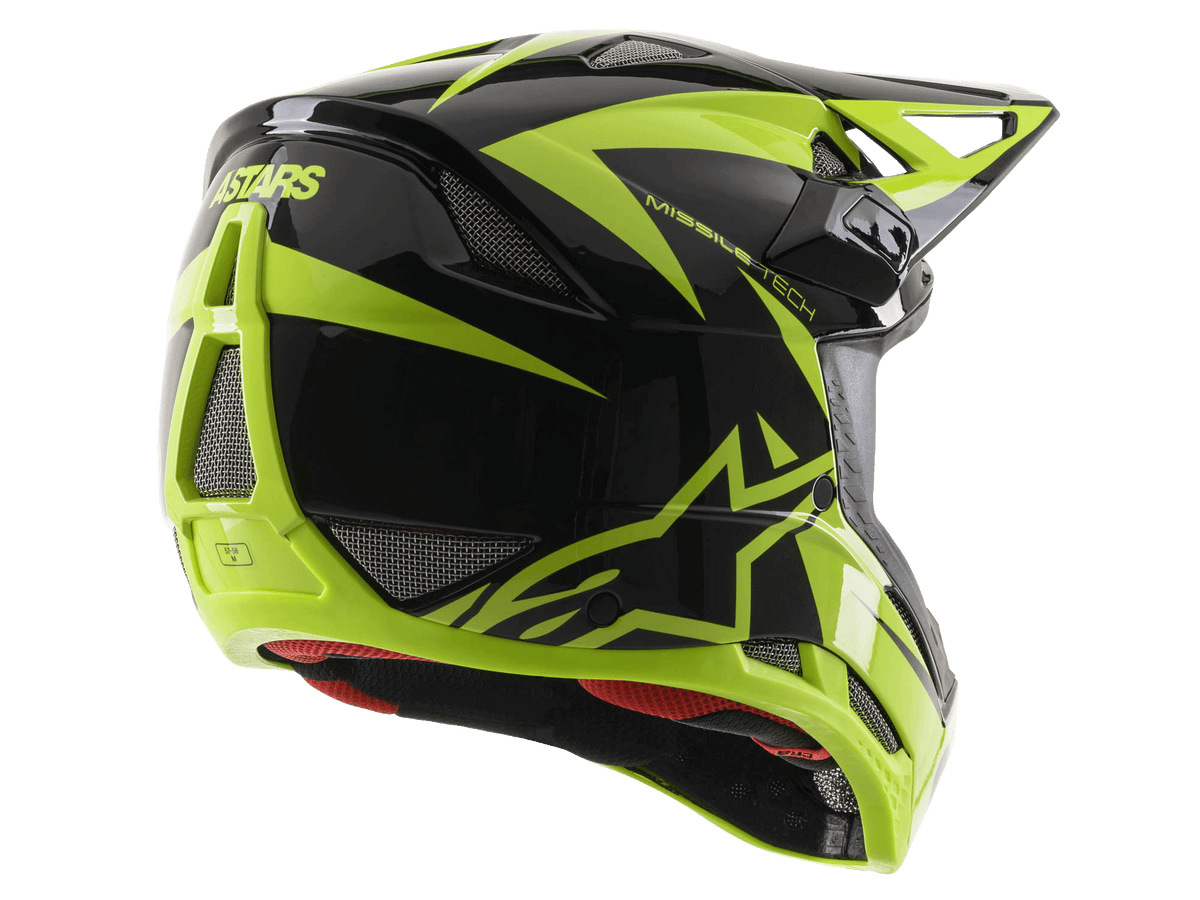
Casco Missile Tech Airlift Integral -
Shorts Protectores Vector Tech -
Protectores De Rodillas Paragon Plus -
Casco Missile Tech Racer -
Protectores De Codo Vector -
Casco Missile Tech Racer
























17 of 17 products
Todos los productos cargados
Preguntas frecuentes Ocultar FAQ
¿Qué tipos de equipamiento incluye el outlet de cascos y protecciones MTB?
Esta colección outlet se centra en equipamiento de protección para ciclismo de montaña de Alpinestars con descuento, incluidos cascos, rodilleras, coderas, protección de pecho y espalda, y otros chalecos protectores para trail, enduro y descenso. La disponibilidad puede variar según la temporada y las existencias restantes, por lo que la selección exacta puede cambiar con el tiempo.
Si quieres explorar la categoría completa más allá de las existencias del outlet, también puedes consultar toda la colección MTB.
¿Las protecciones MTB de este outlet tienen certificación CE?
Muchas protecciones MTB de esta colección cuentan con certificación CE, pero la certificación exacta depende del tipo de protección. Como orientación general, las rodilleras y coderas suelen hacer referencia a la norma EN 1621-1, los protectores de espalda a la EN 1621-2 y los protectores de pecho a la EN 1621-3.
El nivel de protección también puede variar. El nivel 1 suele priorizar un menor volumen y una mayor facilidad de movimiento, mientras que el nivel 2 está diseñado para ofrecer una mayor atenuación de impactos y suele preferirse para una práctica más agresiva. Consulta la página de cada producto para comprobar el marcado CE y el nivel exactos antes de comprar.
¿Cómo deben ajustarse las rodilleras y coderas MTB?
Las protecciones MTB deben ajustarse con suficiente firmeza para mantenerse en su sitio en terrenos irregulares, sin limitar el pedaleo, la frenada ni los movimientos del cuerpo. Un ajuste correcto mantiene el protector bien apoyado sobre la articulación y ceñido al cuerpo, sin que gire ni se deslice cuando te mueves en posición de pedaleo.
Si estás entre dos tallas, la mejor opción suele ser la que mantiene el protector estable sin crear puntos de presión ni dificultar la circulación. En las modalidades centradas en el descenso, una sujeción firme es especialmente importante, ya que la protección solo funciona correctamente si permanece en la zona de impacto prevista.
¿Qué diferencias hay entre las protecciones MTB para trail, enduro y descenso?
Las protecciones MTB suelen elegirse según la intensidad de la práctica, la velocidad, el terreno y la cobertura que buscas. Las opciones más ligeras suelen preferirse para trail y jornadas largas de pedaleo, mientras que quienes practican enduro y descenso suelen buscar una mayor cobertura y protección frente a impactos más fuertes.
| Modalidad | Protección habitual | Prioridad principal |
|---|---|---|
| Trail | Rodilleras y coderas de perfil bajo | Movilidad y ventilación |
| Enduro | Rodilleras, coderas y protección opcional del torso | Cobertura equilibrada para subidas y bajadas |
| Descenso | Chalecos protectores más amplios y protección de cobertura completa | Máxima protección frente a impactos |
Si también buscas opciones de cascos por separado, consulta la colección de cascos MTB.
¿Cómo limpio y cuido los cascos y las protecciones MTB?
Limpia las protecciones MTB con un paño húmedo o con jabón suave y agua fría, y deja que se sequen completamente al aire, lejos de fuentes de calor directo. Si un protector tiene almohadillas o fundas extraíbles, sigue las instrucciones de la etiqueta de cuidado antes de lavar a máquina cualquier parte textil. Evita la lejía, el secado en secadora y los disolventes agresivos, ya que pueden dañar los tejidos técnicos, la espuma o los materiales protectores.
En el caso de los cascos, limpia suavemente la calota y el forro interior, mantén despejadas las aberturas de ventilación y evita los productos químicos fuertes que puedan afectar a los acabados o a los materiales internos. Sustituye cualquier casco después de un impacto importante, aunque no haya daños externos evidentes, y revisa las protecciones periódicamente para detectar grietas, compresión o desgaste en las zonas de sujeción.