
204 resultados
-
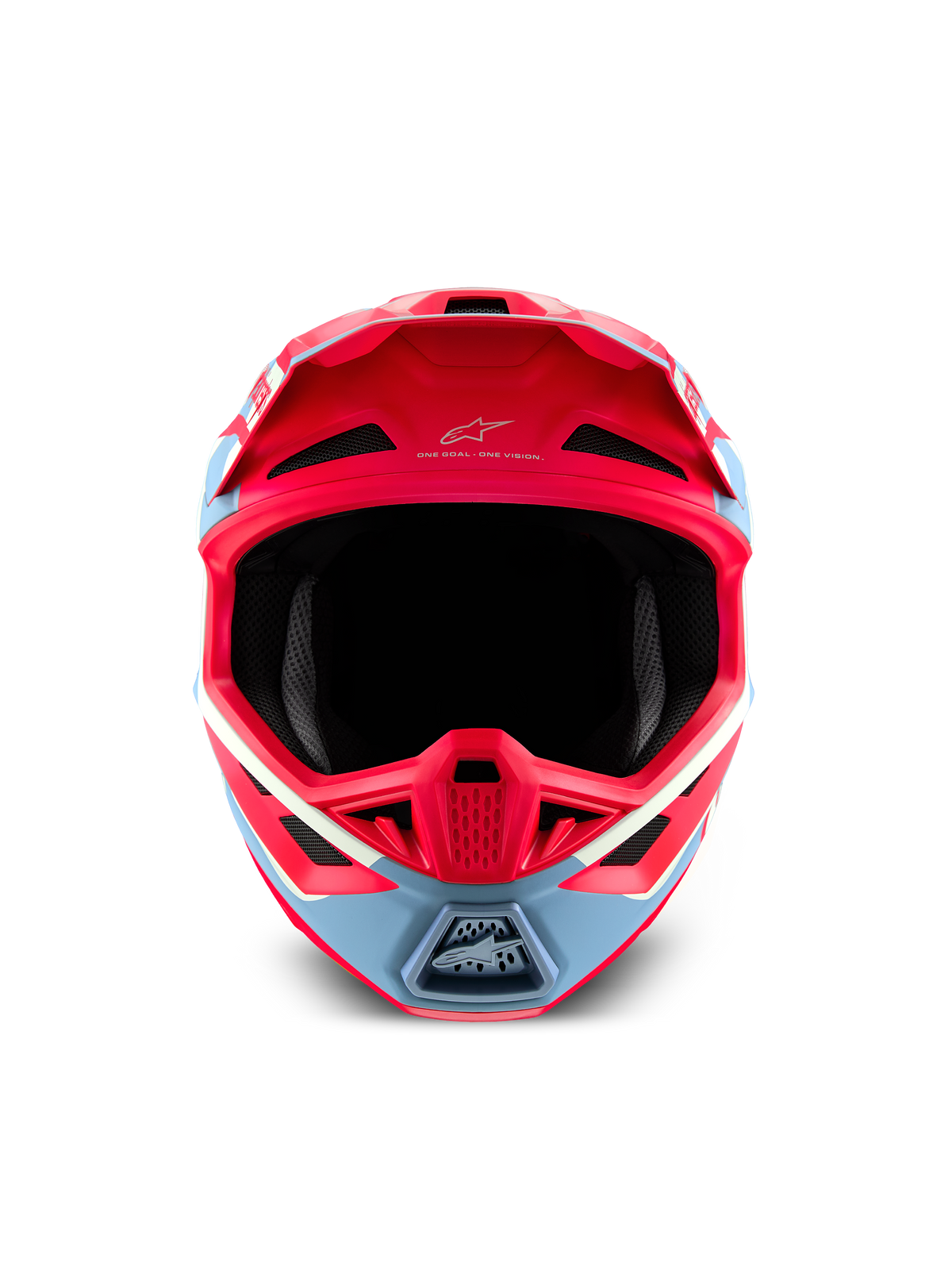
Casco S-M7 Beast Coast ECE 22.06 Edición Limitada -
Casco S-M3 Fray ECE 22.06 -
Casco S-M7 Cast ECE 22.06 -
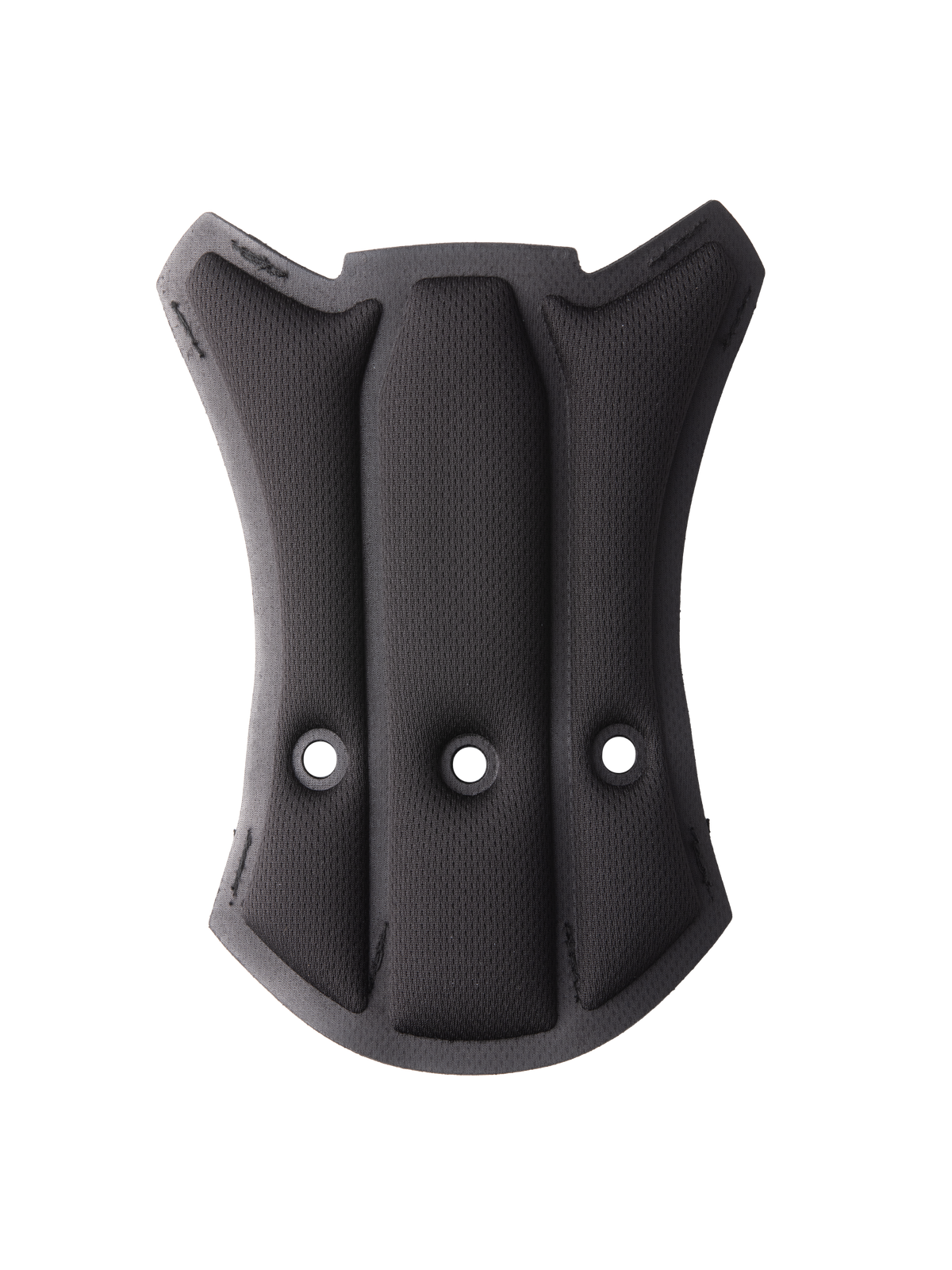
Kit De Reemplazo De Almohadillas Para Casco Supertech M10 -
Visera S-M5 Bond -
Marco De Ventilación Trasera Para Casco Supertech M10/M8 -
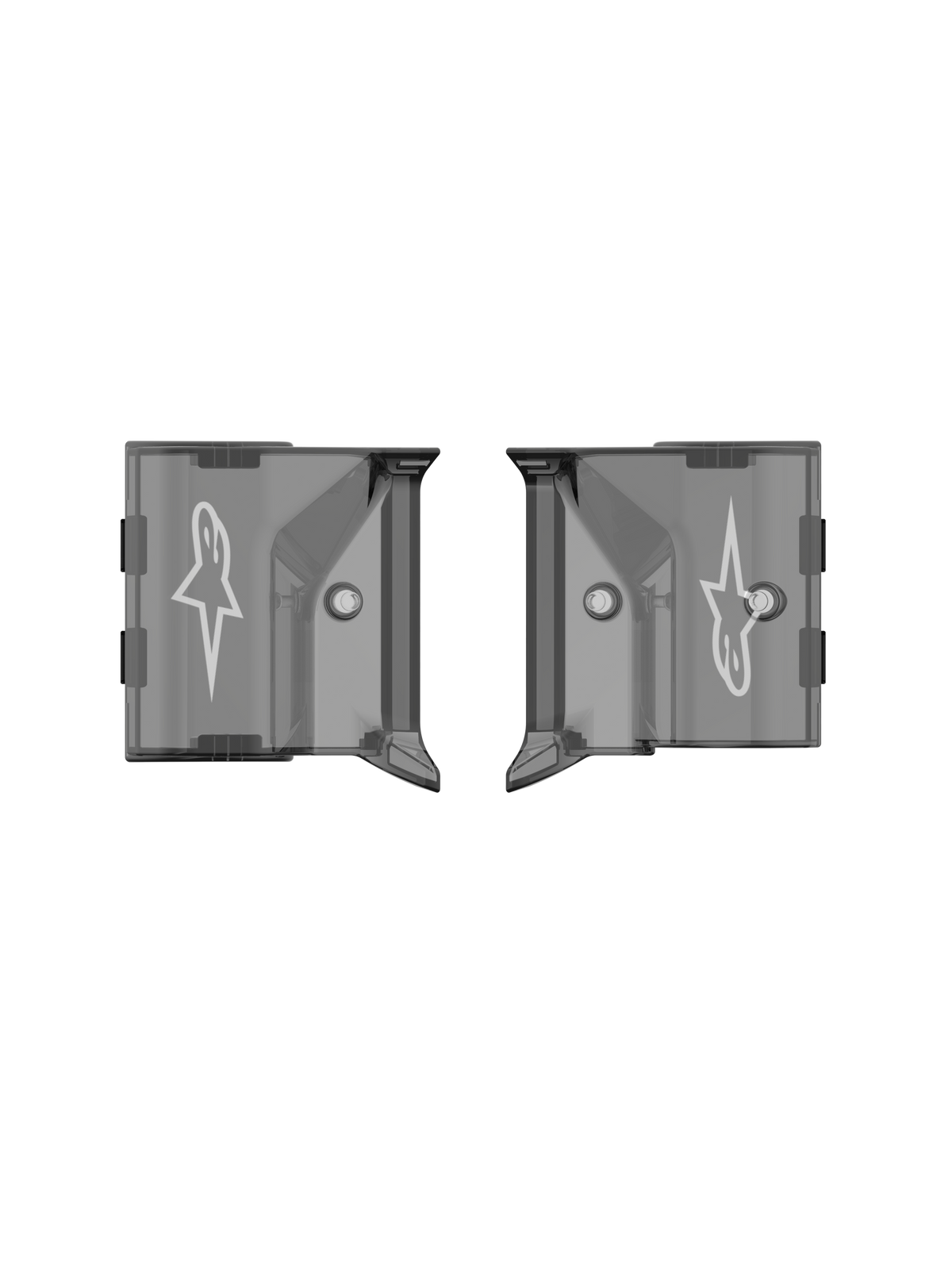
Marco De Ventilación De La Mentonera Supertech M10/M8 -
Visera S-M8 Radium -
Visera Supertech M10 Daytona Edición Limitada 23 -
Almohadillas Para Mejillas De Repuesto S-M5 -
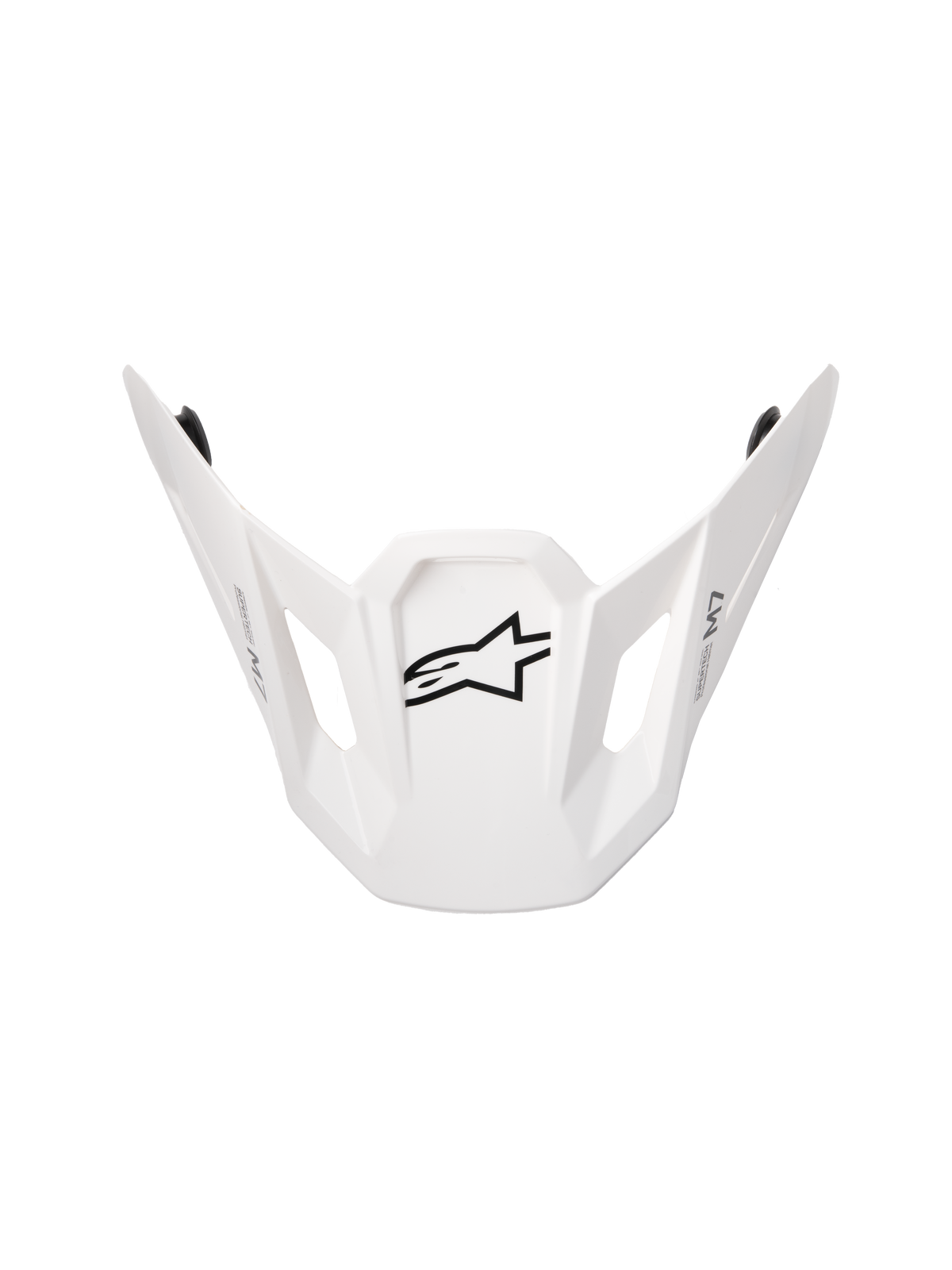
Visera S-M7 Solid -
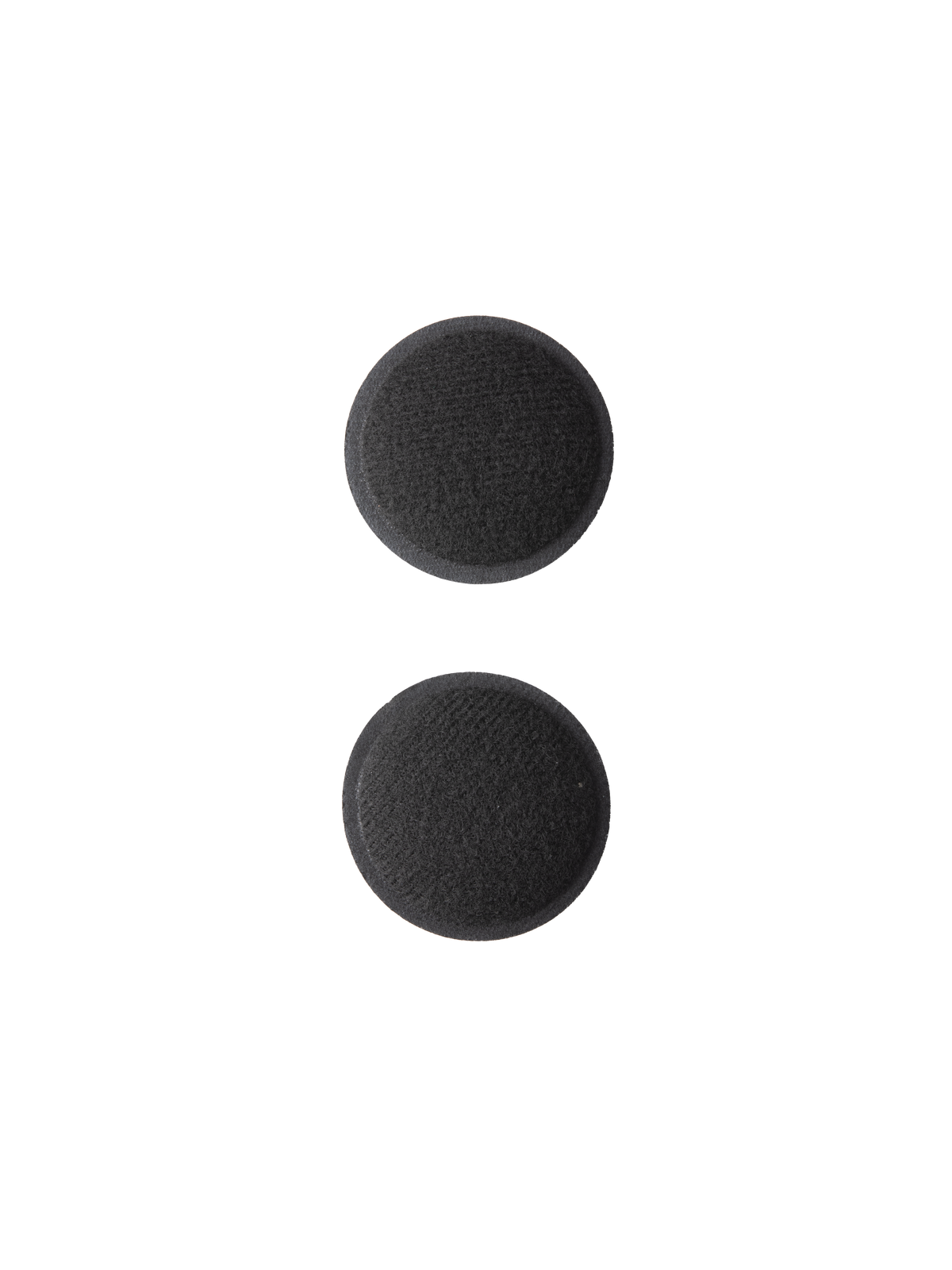
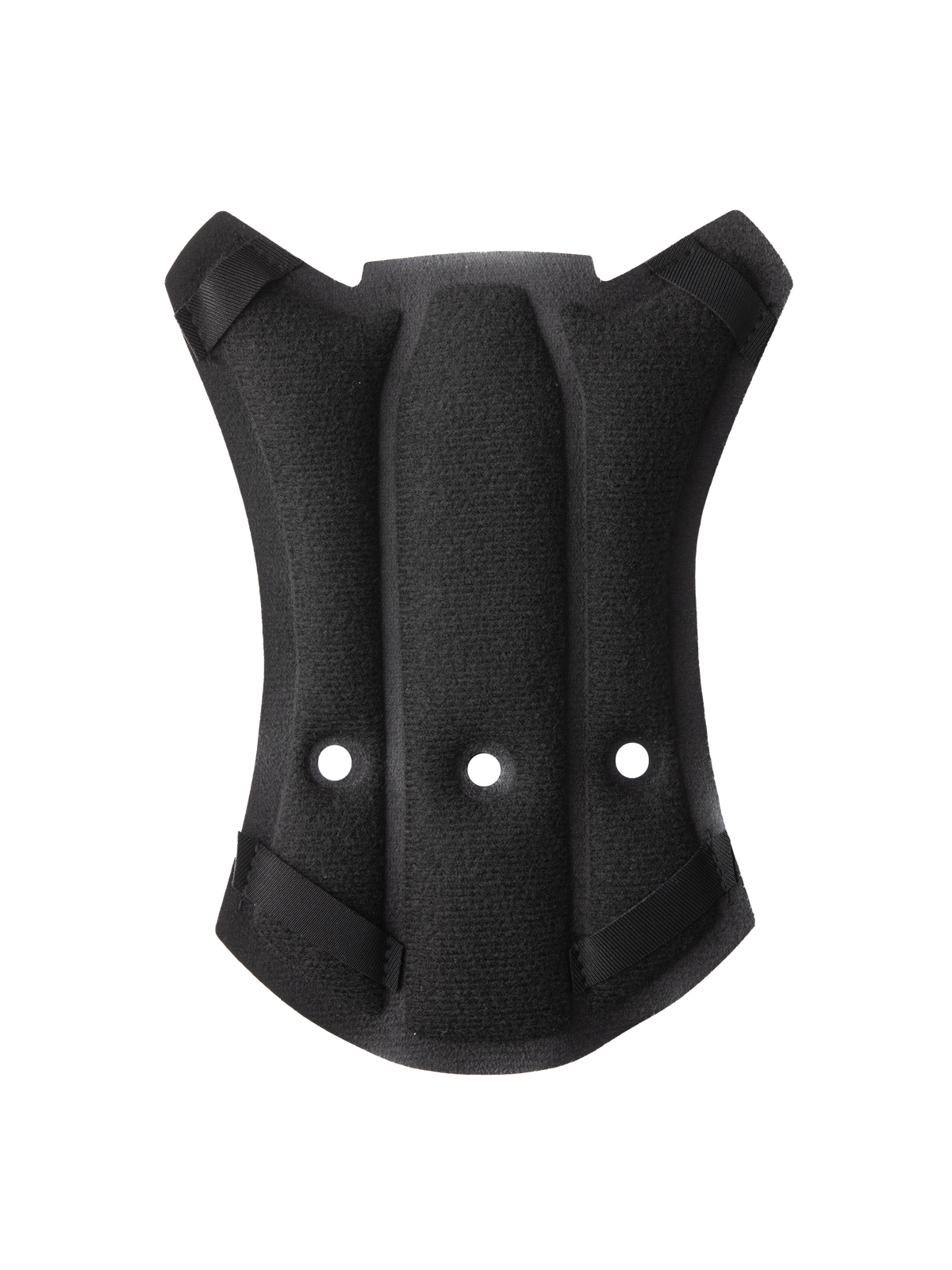
Kit De Almohadillas Para Orejas S-M7 -
Visera S-M3 Heat -
Visera S-M7 Dasher ECE06 -
Visera Supertech M10 Era -
Visera Yamaha S-M3 -
Visera S-M5 Solar Flare -
Ventilación Mentonera Juvenil S-M3 -
Visera S-M8 Factory -
Visera S-M5 Bond -
Visera S-M5 Beam -
Marco De Ventilación De Mentonera Supertech M10/M8 -
Visor S-M8 Contact -
Visor S-M8 Contact -
Visera Honda S-M5 -
Visera Honda S-M5 -
Kit De Almohadillas Para Mejillas S-M5 Regular -
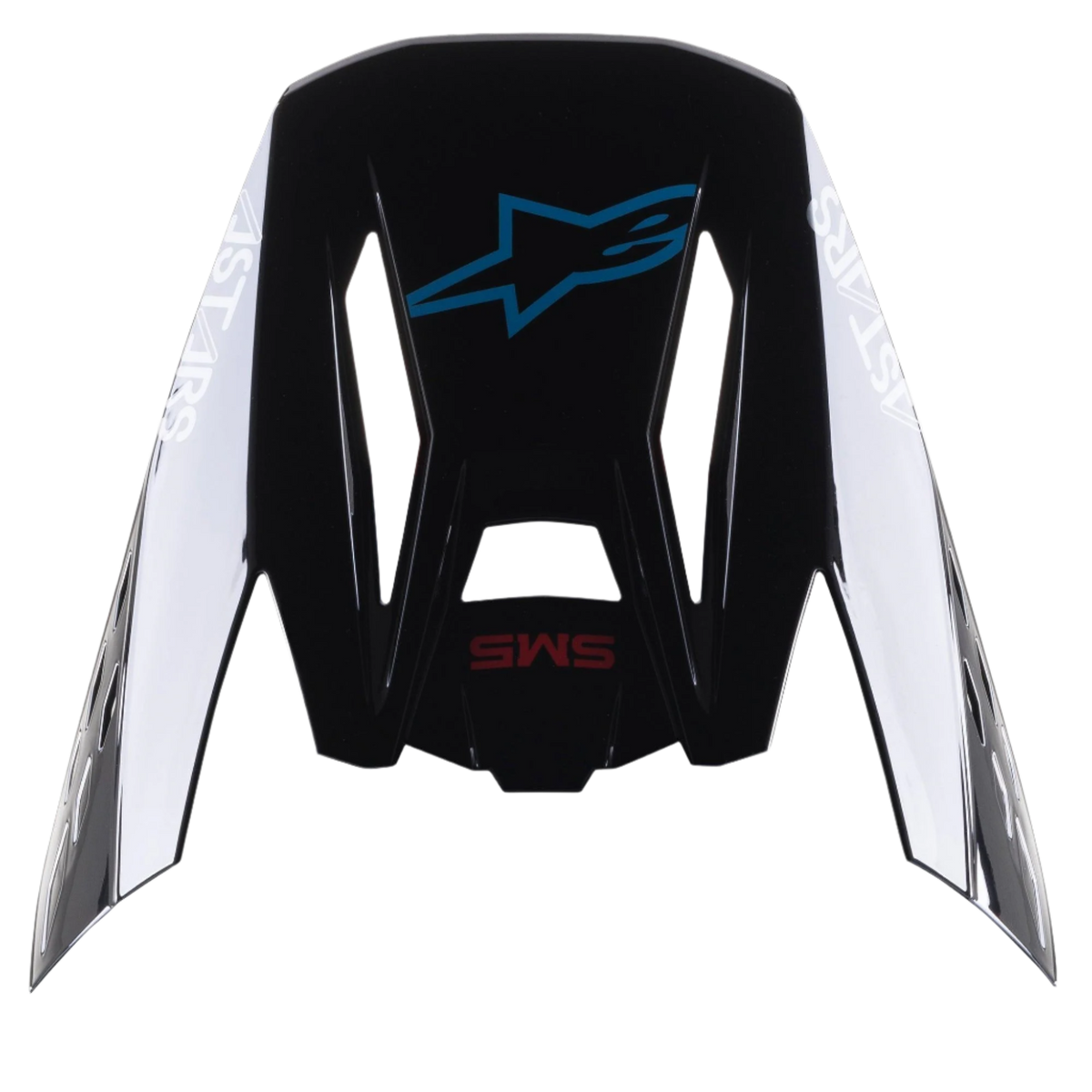
Visor S-M7 Beast Coast Edición Limitada -
Kit De Conexión Para Visera S-M7 -
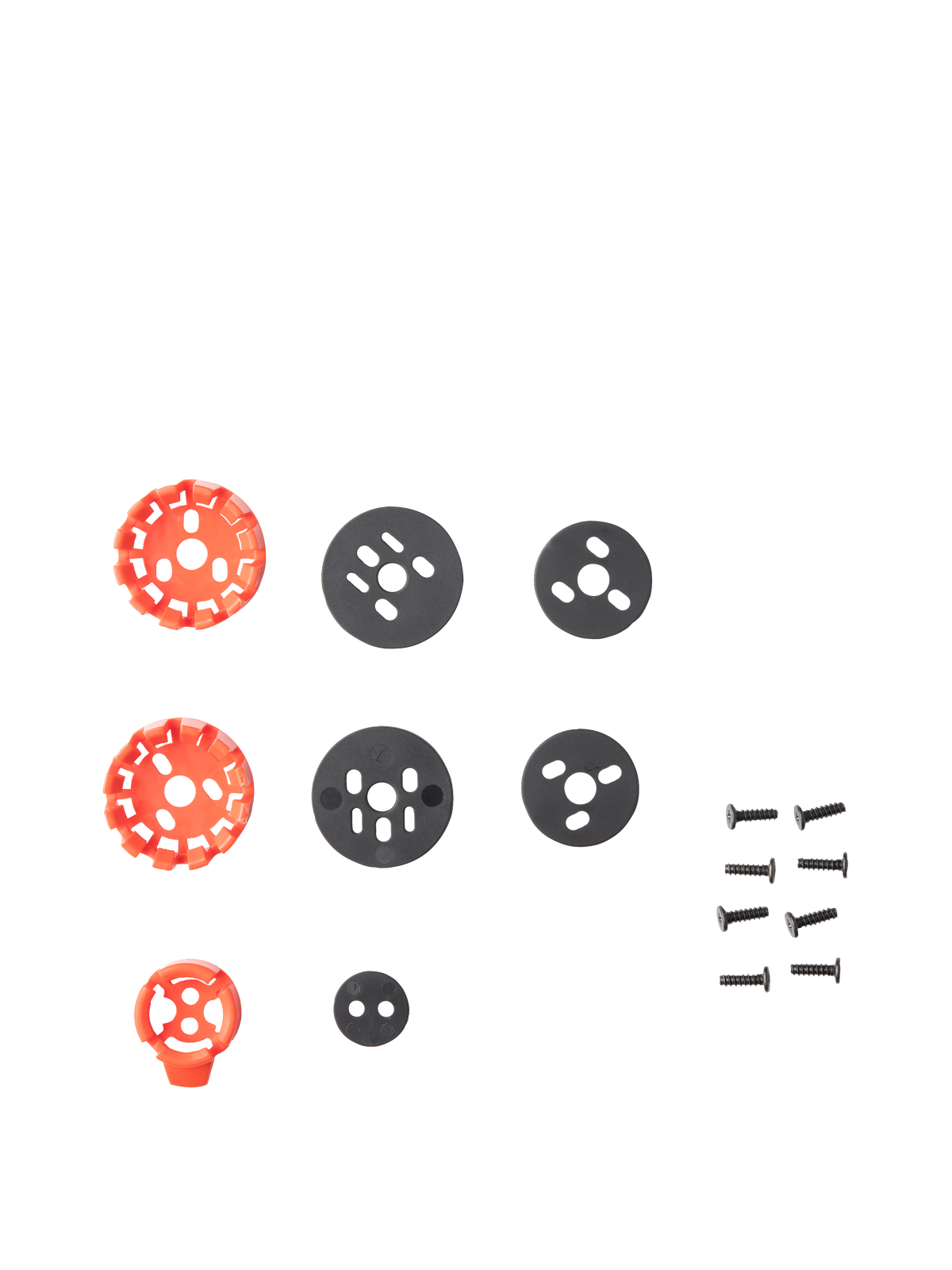
Kit De Motor Roll Off Vision -
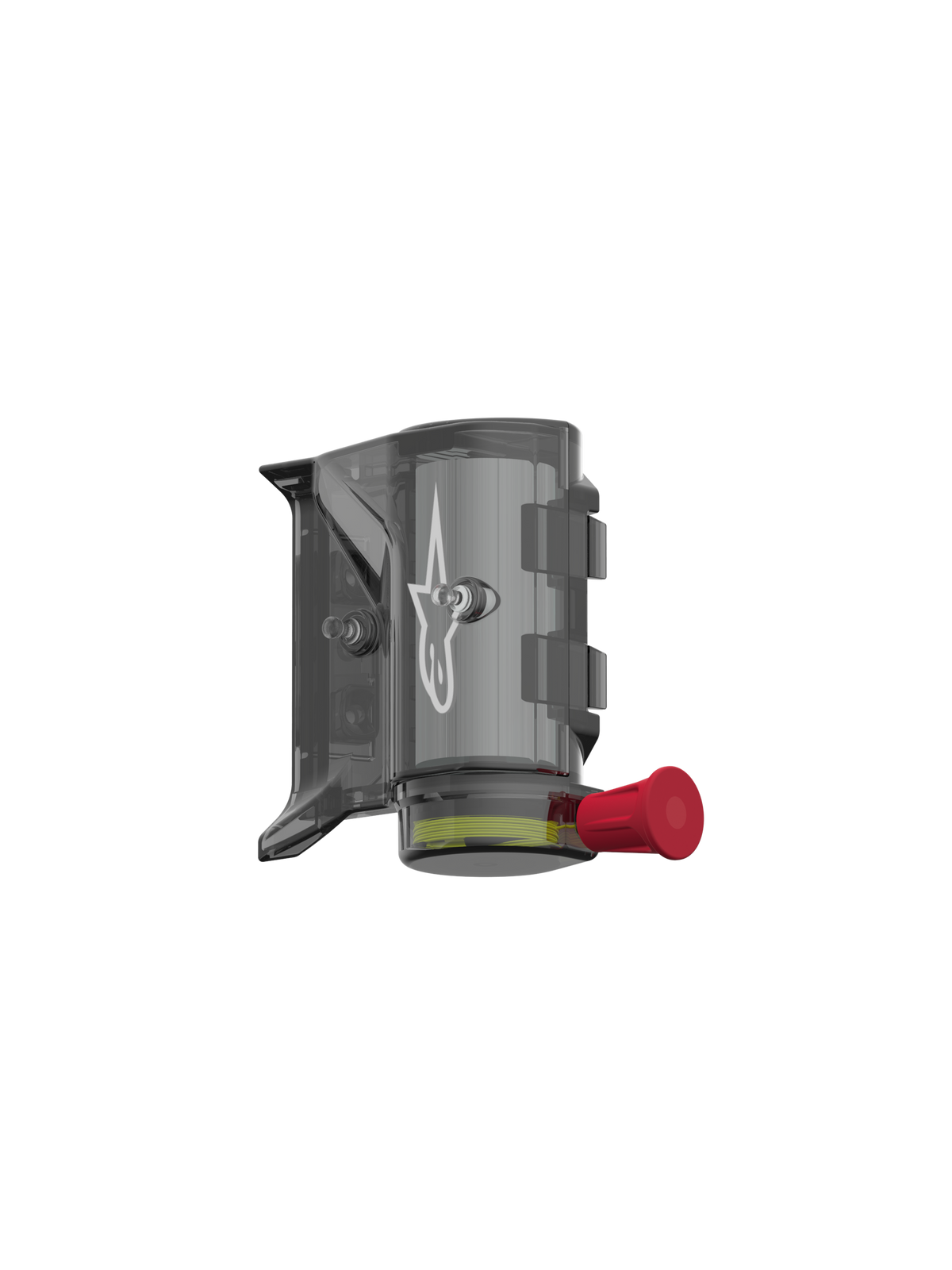
Kit Vision Roll-Off Mud & Sand Dark -
Kit De Almohadillas Para Orejas S-M7 -
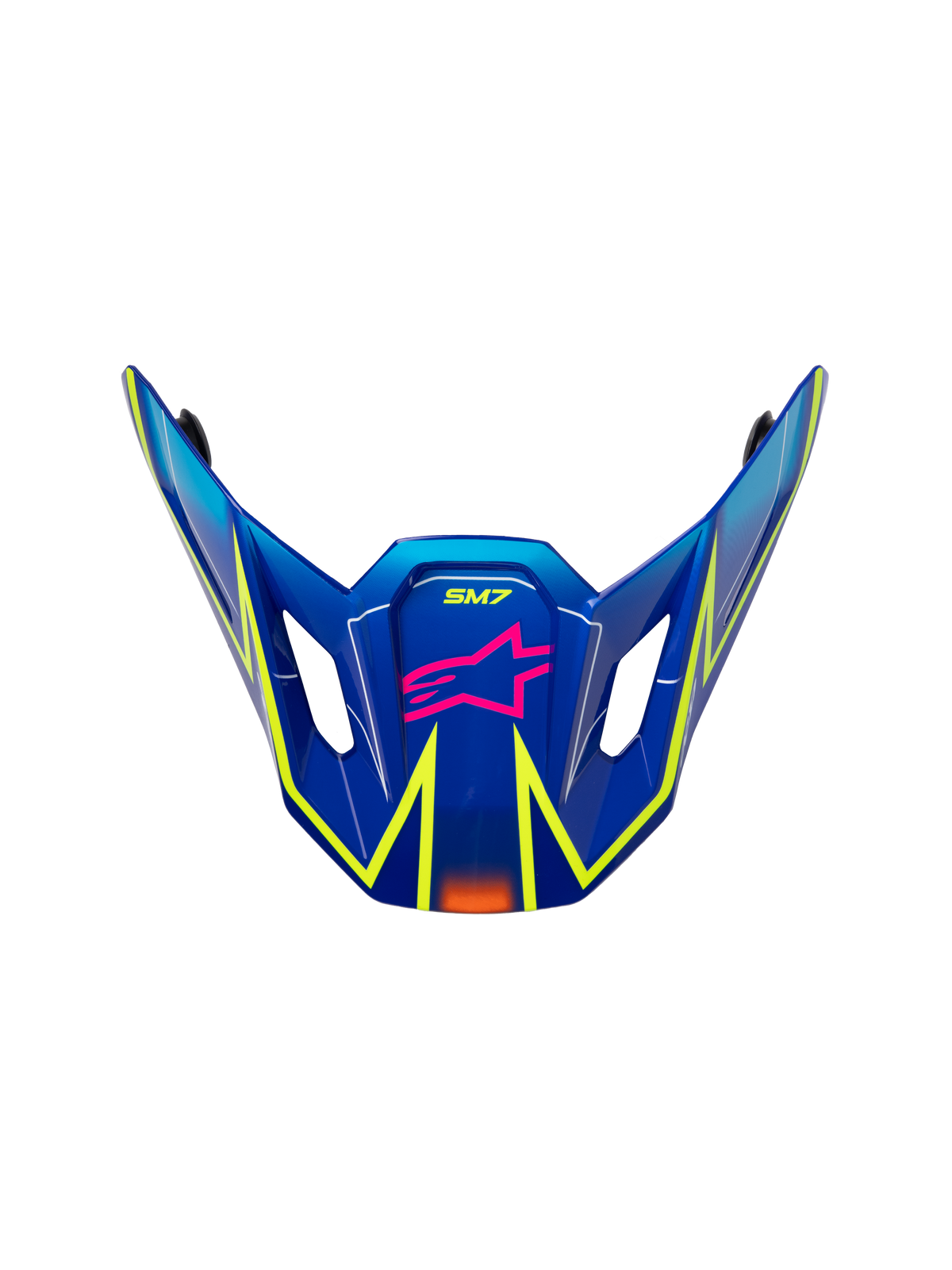
Visera S-M7 Cast -
Abertura De Ventilación Mentonera S-M3 -
Entradas De Aire Laterales Superiores S-M3 -
Visera S-M7 Deed


















Preguntas frecuentes Ocultar FAQ
What safety certifications should I look for on MX helmets and goggles?
For motocross helmets in the United States, look for the DOT mark indicating compliance with FMVSS 218. Many off‑road helmets also carry ECE 22.06 certification, which reflects updated impact and rotational assessments; both are widely recognized in the market. Always check your series or event rules if you race, as organizers may specify accepted standards.
Goggles are typically built with impact‑resistant polycarbonate lenses; some models reference the EN 1938 standard for motorcycle eye protection. For shopping by category, explore our MX helmets and goggle accessories.
How should a motocross helmet and goggles fit together?
Your MX helmet should feel evenly snug around the crown and cheeks without hot spots or pressure points; it shouldn’t shift when you shake your head. When you add goggles, the foam should seal uniformly to your face without pinching your nose, and the strap should sit flat around the shell, under the peak. If you wear glasses, choose “OTG” (over‑the‑glasses) goggles and confirm the helmet’s eye‑port provides adequate clearance.
Try the helmet and goggles together in a riding position to confirm field of view, ventilation through the chin bar, and that the peak doesn’t interfere with goggle placement.
What’s the difference between an MX helmet and a street helmet?
MX helmets use a large eye‑port for goggles, an extended chin bar for airflow and roost protection, and a peak to help with sun and debris; ventilation is prioritized for lower‑speed, high‑effort off‑road riding. Street helmets typically have an integrated face shield, more aerodynamic shells, and closed vents for sustained highway speeds.
Choose an MX helmet for dirt, trail, and track riding with goggles. For mixed pavement/dirt use, confirm the helmet style and eye protection match your primary environment.
Which goggle lens tint and tear‑off/roll‑off system should I use for different conditions?
Select lens tints for light conditions, and choose a vision‑clearing system based on debris and mud. General guidance:
| Conditions | Lens tint | System |
|---|---|---|
| Bright sun | Smoke/gray or mirrored | Standard with tear‑offs |
| Overcast/woods | Yellow/amber for contrast | Standard or tear‑offs |
| Mud/wet races | Clear | Roll‑offs for continuous clearing |
| Night | Clear only | Standard |
Note: some venues restrict disposable tear‑offs—check local rules. Find films, canisters, and spare lenses in goggle accessories.
How do I clean and care for MX helmets and goggles, and when should I replace a helmet?
Remove pads and liners (if detachable) and hand‑wash with mild soap; rinse thoroughly and air‑dry out of direct heat. Clean the shell and goggle lens with warm water and a soft cloth; avoid solvents and abrasive cleaners. Let foam and straps dry completely before storage.
Replace your helmet after any significant impact or around five years of regular use, as materials and EPS liners age over time. Inspect straps, rivets, and the shell periodically; replace scratched lenses and worn goggle foam for optimal vision and seal. For peaks, screws, and spares, see MX helmet accessories.