
143 resultados
-
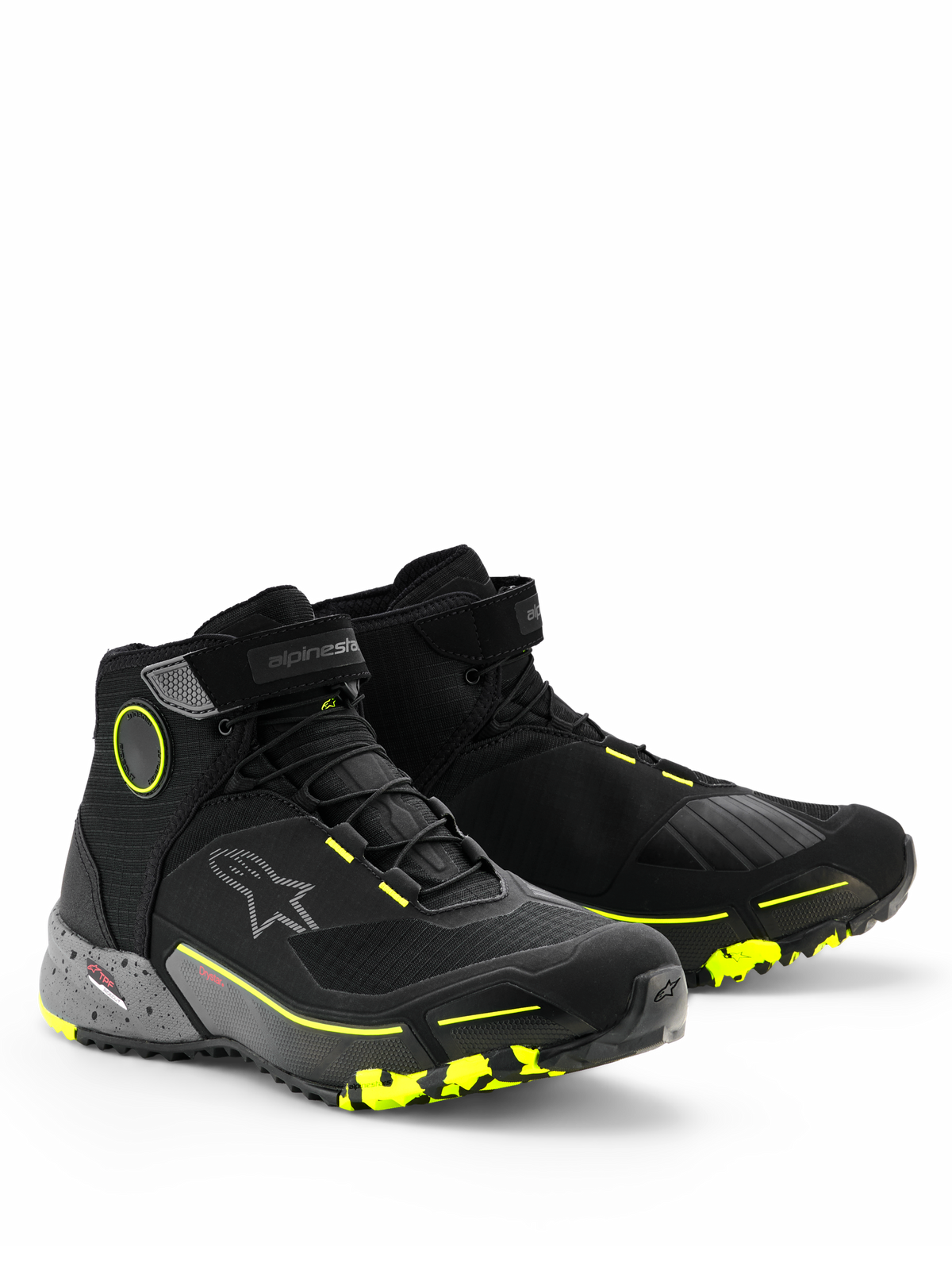
Zapatos CR-X GORE-TEX® -
Zapatos CR-X GORE-TEX® -
Zapatos De Cuero Ride-63 -
Zapatos Celer Superair -
Zapatos Stella Stated Flair -
Zapatos Stated Flair -
Zapatos Celer -
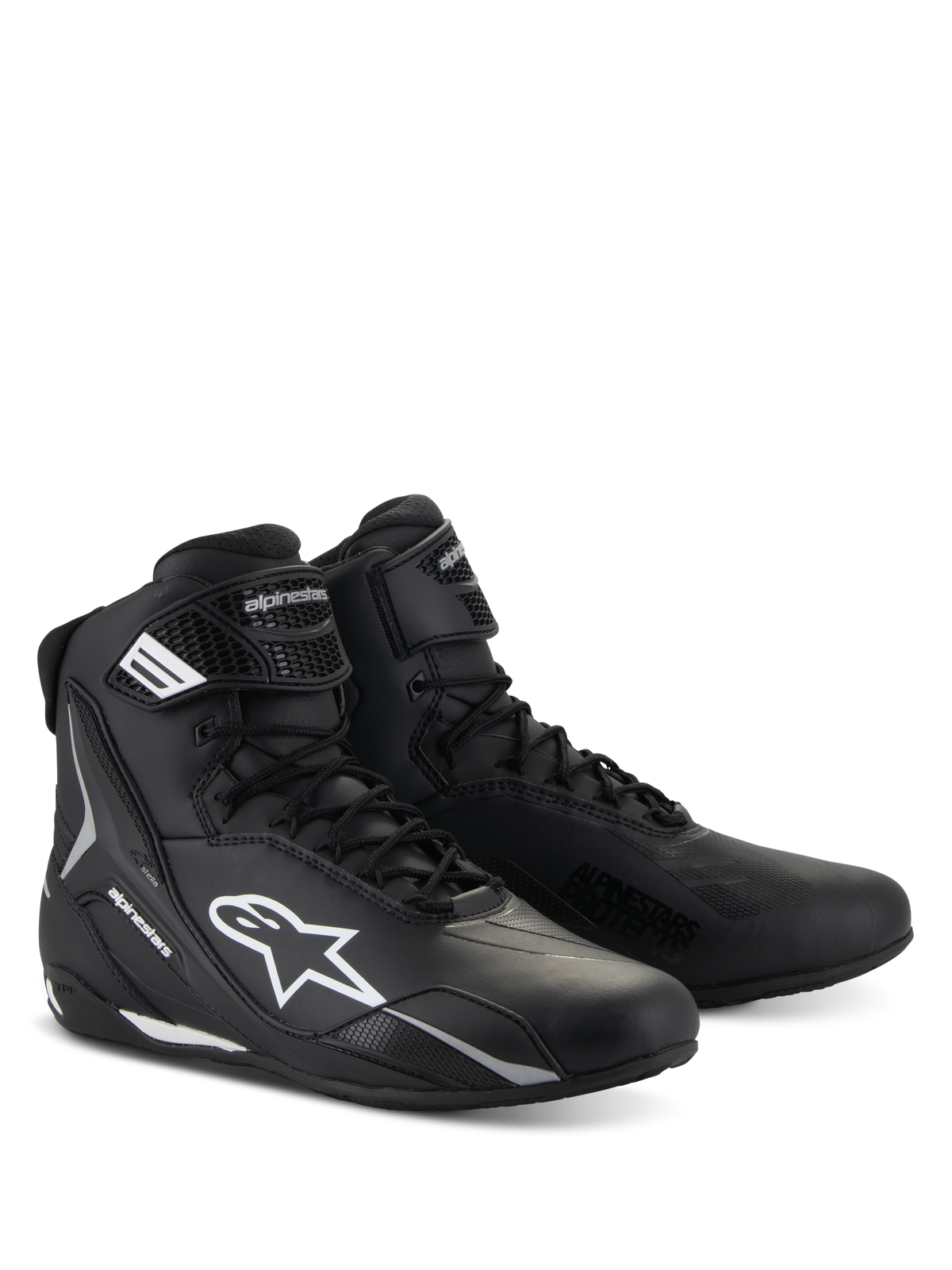
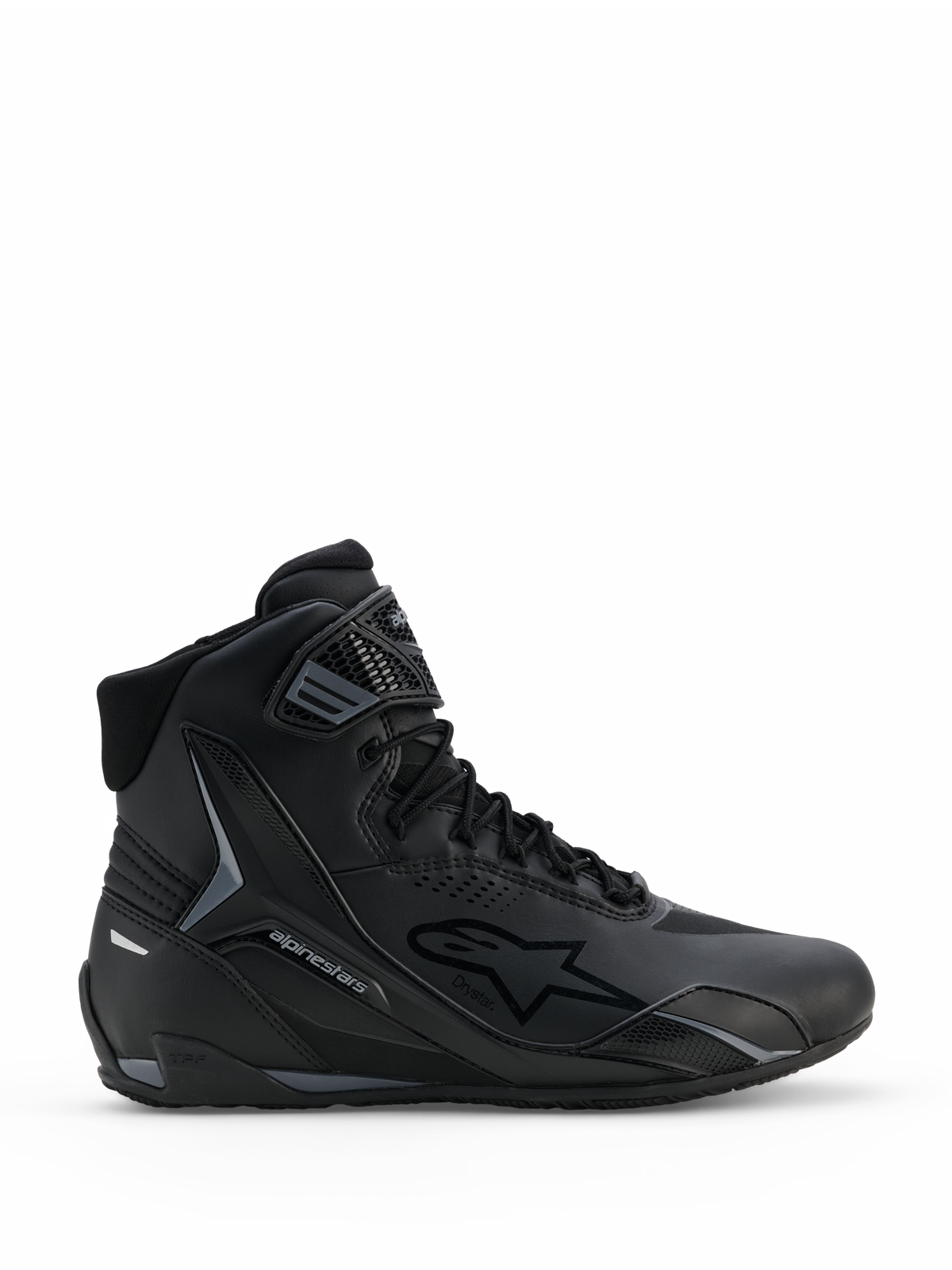
Zapatos Faster-4 -
Zapatos Stella Faster-4 -
Zapatos De Lona Ride-63 -
Zapato Sektor -
Zapatos Celer Superair -
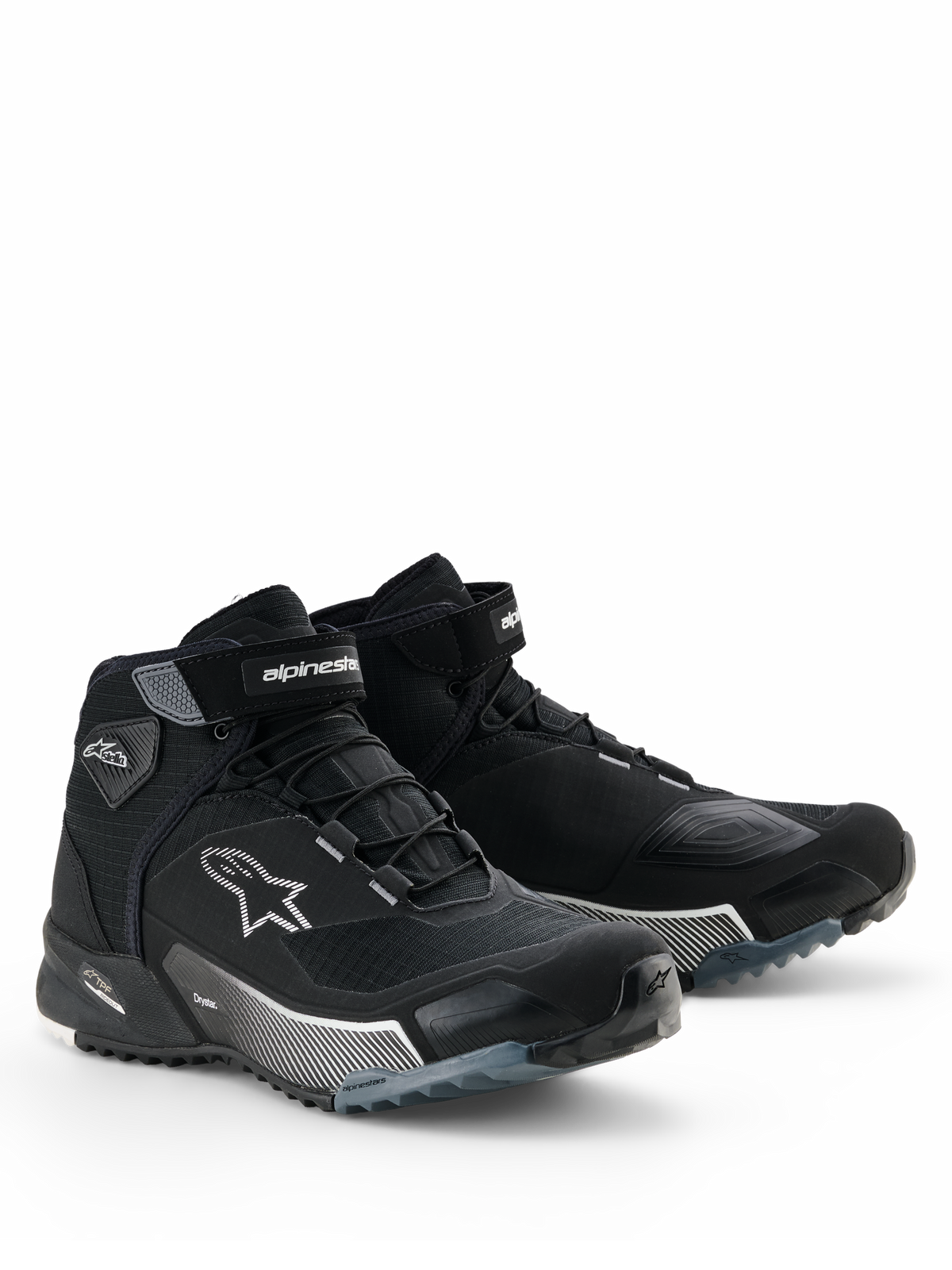
Zapatos De Moto CR-X Drystar® -
Zapatos Speedflight -
Zapatos Stated Flair -
Zapatos Stella Stated Flair -
Zapatos Stella Faster-4 Drystar® -
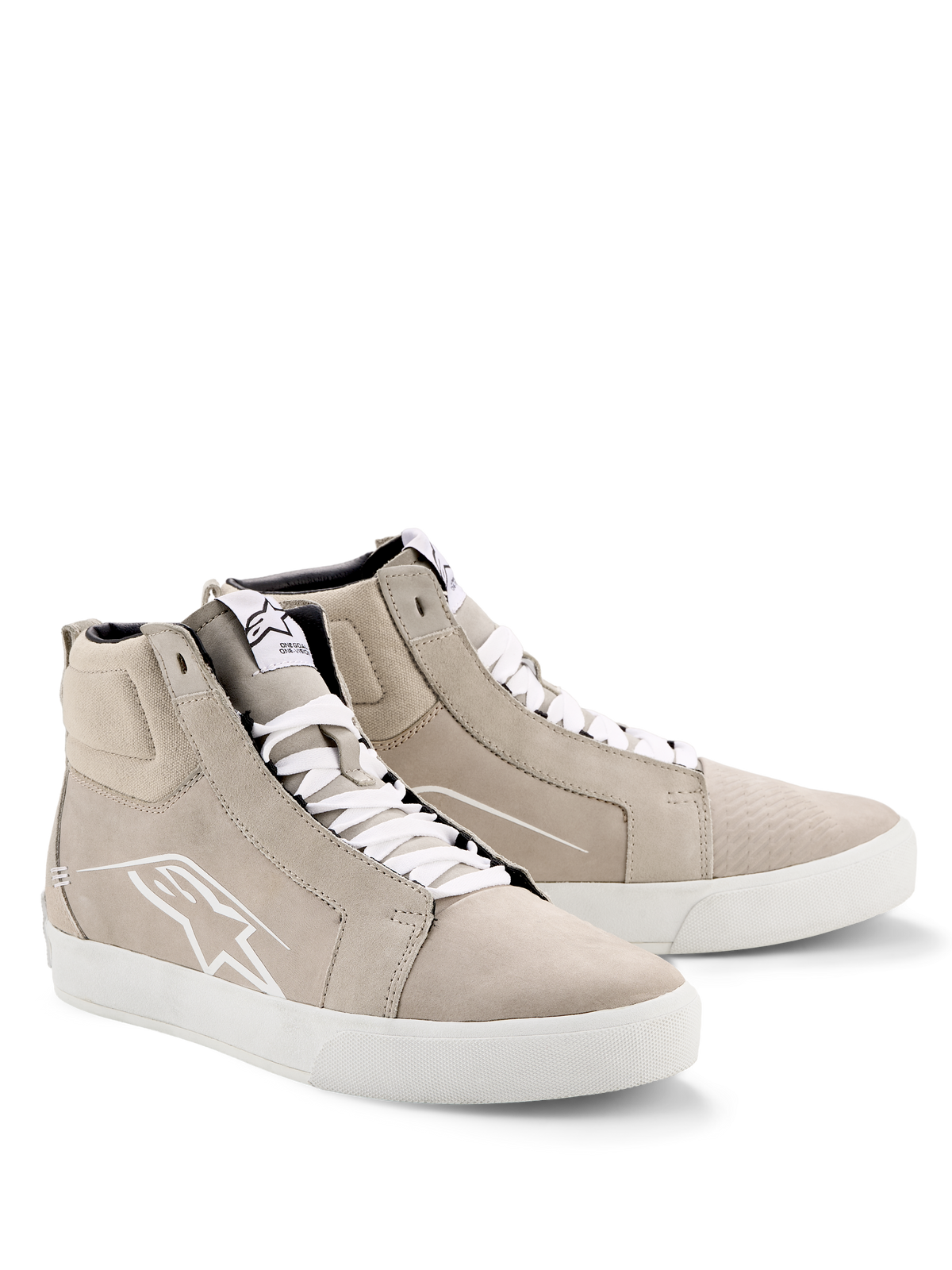
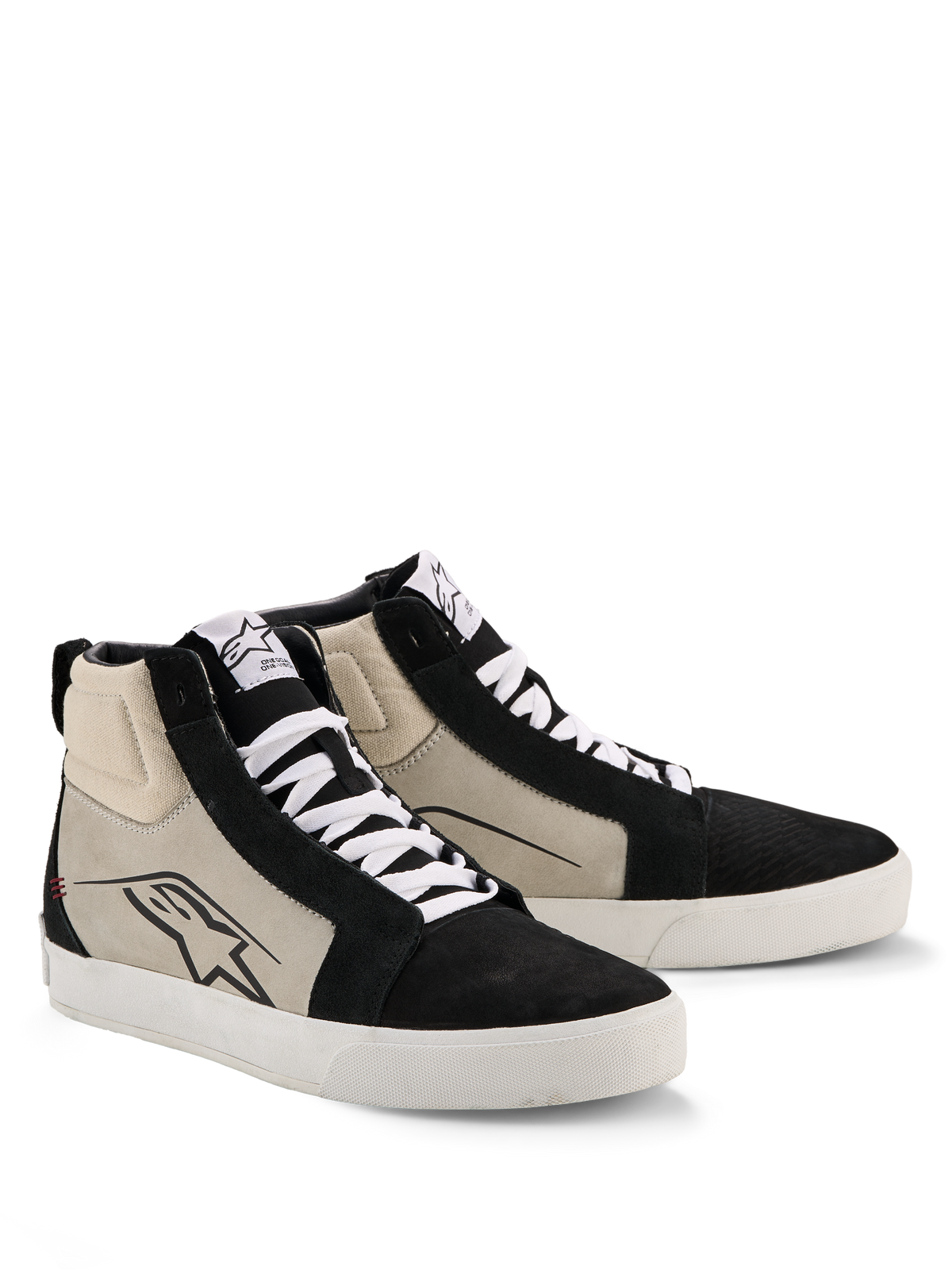
Zapatos De Cuero Ride-63 -
Zapatos Canvas Ride-63 -
Zapatos Stated Impermeables -
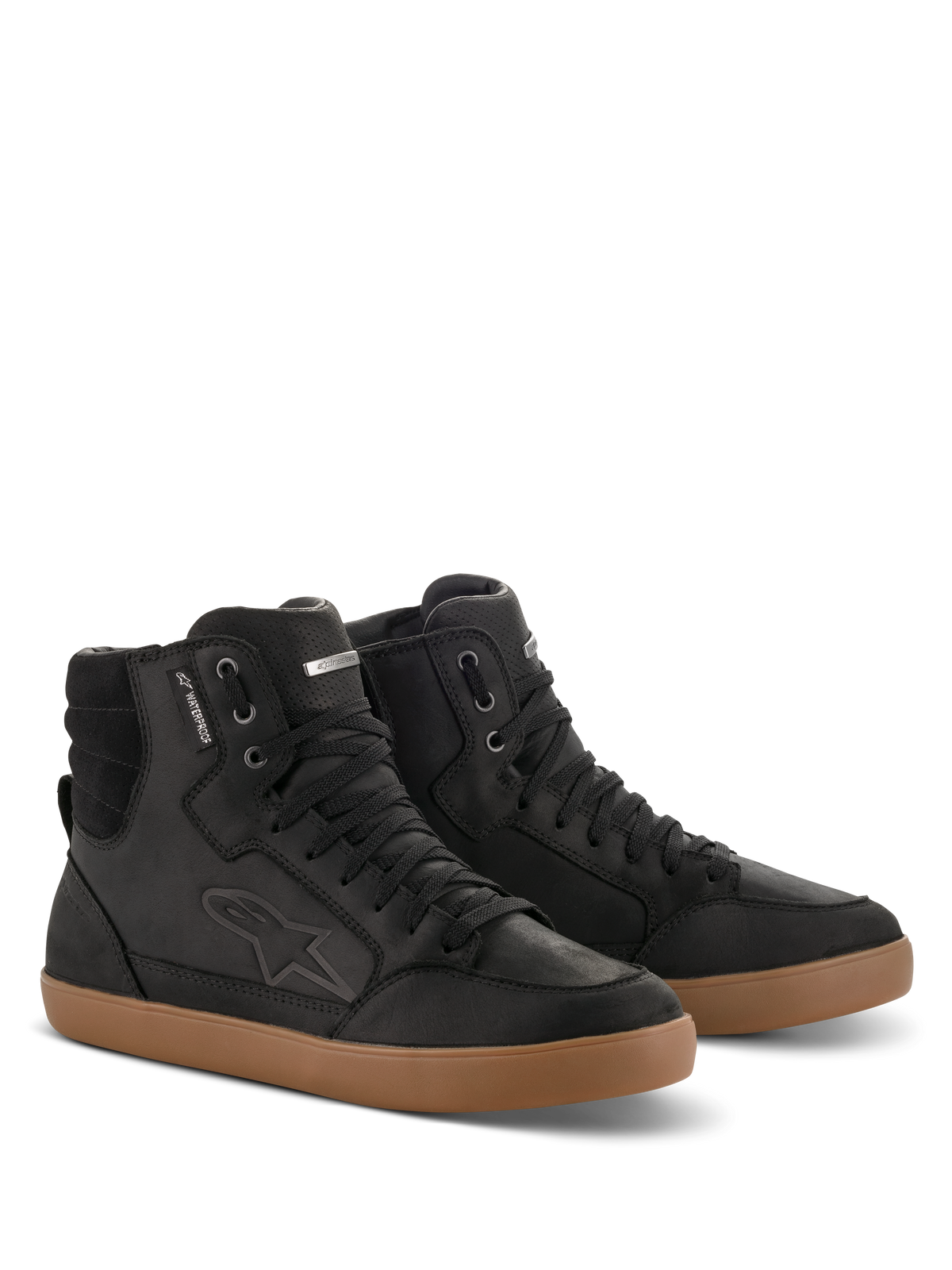
Zapatos J-6 Impermeables -
Zapatos Stated Impermeables -
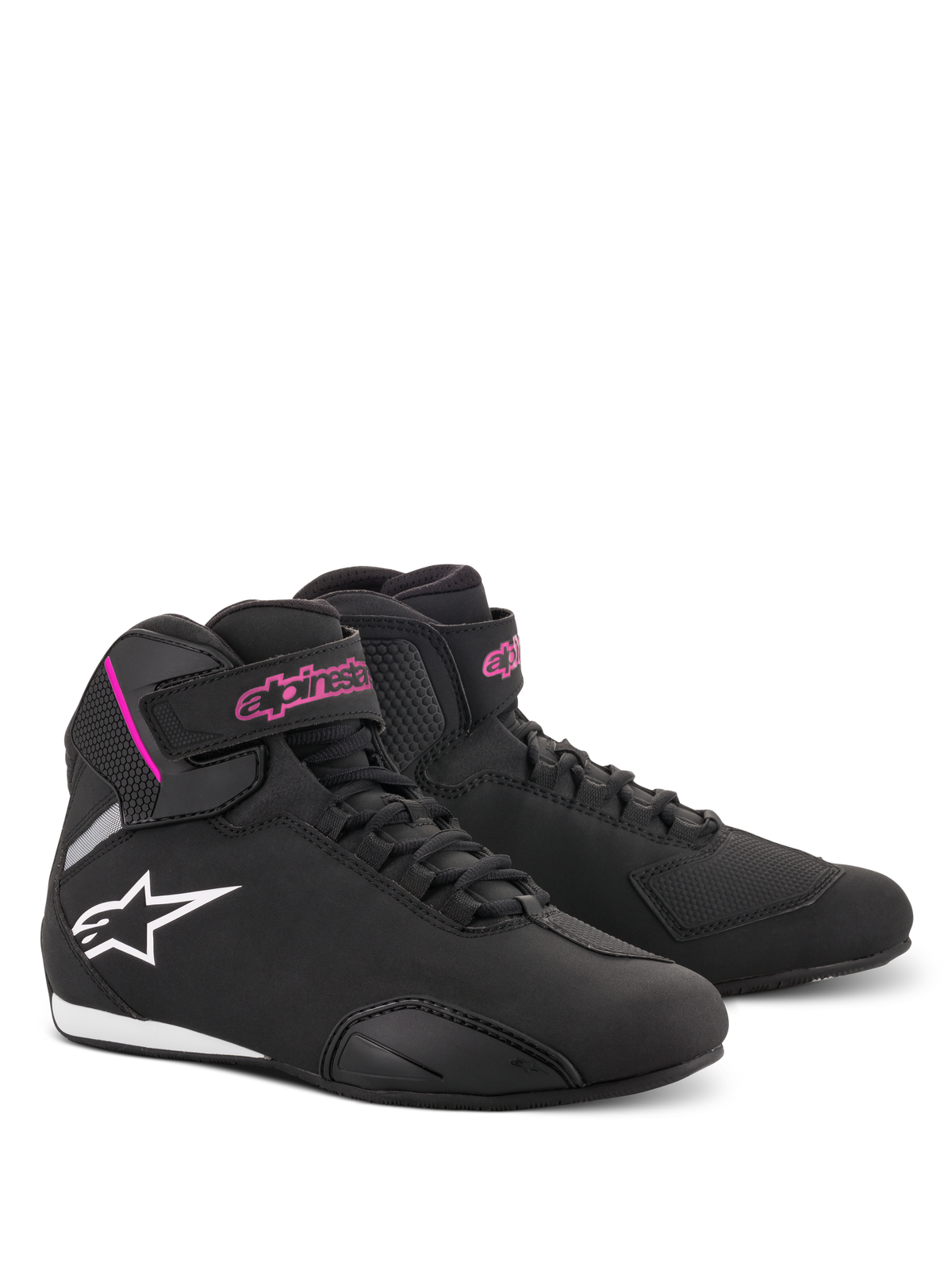
Zapatos Stella Sektor -
FQ20 Ride-63 Canvas Zapatillas -
Zapatos De Moto CR-X Drystar® -
Zapatos Faster-4 Drystar® -
Zapatos De Cuero Ride-63 -
Zapatos De Cuero Ride-63 -
Zapatos De Cuero Ride-63 -
Zapatos De Moto Canvas Ride-63 -
Zapatos Chrome Air -
Zapatos Faster-4 -
Zapatos Stella Faster-4 Drystar® -
Zapatos De Moto CR-X Drystar® -
Zapatos Faster-4 -
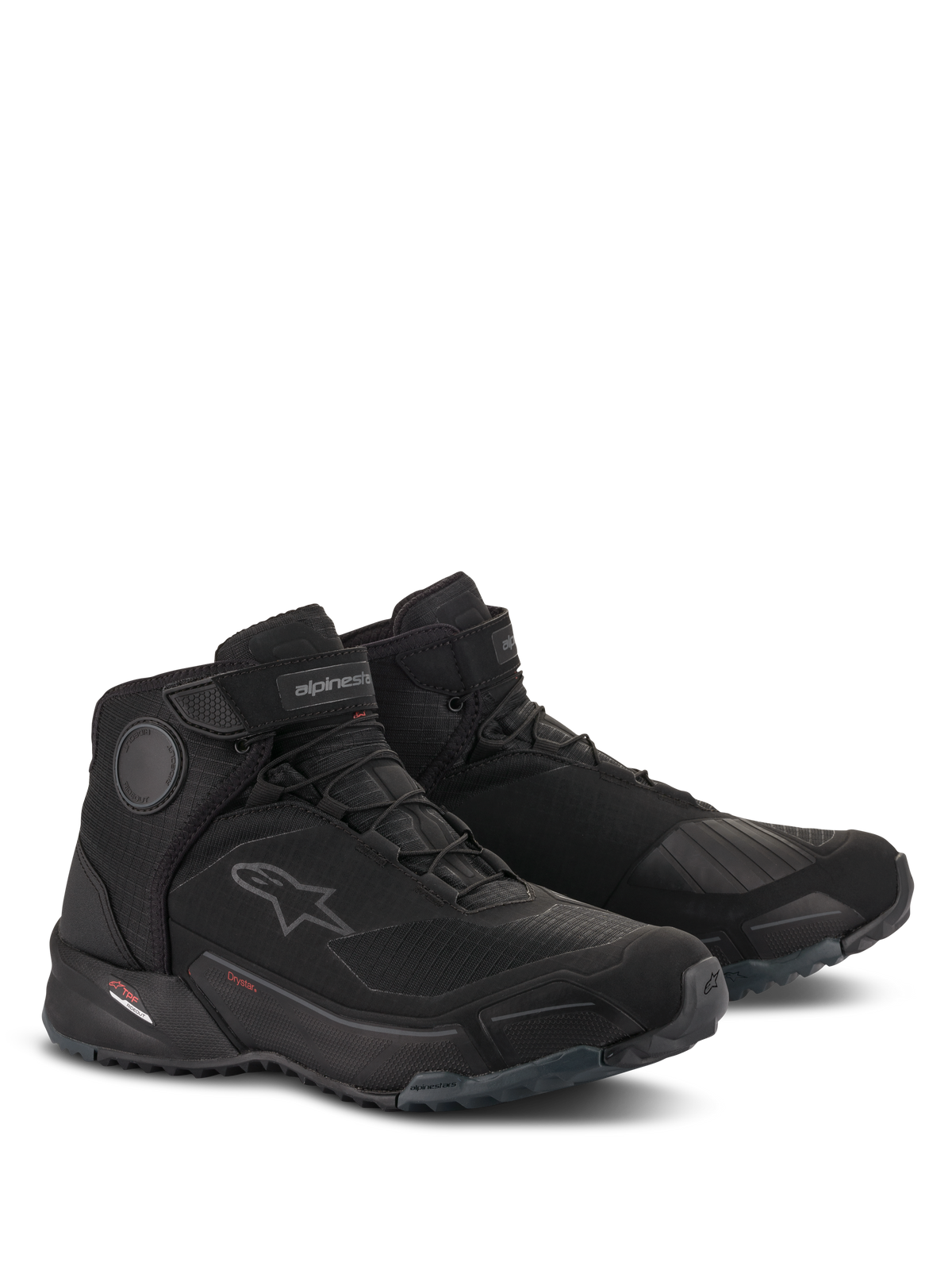
Zapatos De Moto Drystar® CR-X



















































Preguntas frecuentes Ocultar FAQ
¿Los zapatos de moto son seguros y tienen certificación CE?
Los zapatos de moto están diseñados para ofrecer protección sobre la moto con características como refuerzos en la punta y el talón, discos protectores en los tobillos, una entresuela con mayor rigidez y suelas resistentes al aceite y al combustible. Muchos modelos cuentan con certificación CE conforme a la norma EN 13634 (calzado para motoristas), que evalúa la resistencia a la abrasión y al corte, la rigidez transversal y, de forma opcional, la protección contra impactos en los tobillos. Consulta la página de cada producto para conocer la certificación exacta y el nivel de rendimiento.
Los zapatos de moto priorizan la movilidad diaria y ofrecen una protección significativamente mayor que las zapatillas de uso casual. Si buscas la máxima cobertura, incluida la protección de las espinillas, considera las botas de moto de caña alta disponibles en nuestra colección de botas de carretera.
¿Qué diferencia hay entre los zapatos de moto, las botas de moto y las zapatillas de uso casual?
| Tipo de calzado | Uso principal y cobertura | Comodidad al caminar | Certificación habitual |
|---|---|---|---|
| Zapatos de moto | Uso urbano y en carretera; caña media con protección del tobillo y refuerzos en las zonas de contacto con la palanca de cambios. | Alta: suelas flexibles y construcción más ligera para el uso diario. | A menudo, CE conforme a EN 13634 (nivel 1 o 2, según el modelo). |
| Botas de moto | Uso deportivo y touring; la caña más alta añade cobertura de las espinillas y mayor rigidez. | Moderada: mayor rigidez para ofrecer protección; más adecuadas para trayectos largos o circuito. | Habitualmente, CE conforme a EN 13634 con niveles de protección más altos. |
| Zapatillas de uso casual | Solo para uso cotidiano fuera de la moto; sin refuerzos específicos. | Muy alta, pero no están diseñadas para ofrecer protección al conducir una moto. | Por lo general, sin certificación CE para uso en moto. |
Para las tandas en circuito, los organizadores suelen exigir botas de caña alta; consulta las normas del evento y explora las botas de moto de carretera. Para los desplazamientos por ciudad, consulta los zapatos de moto urbanos; para la conducción deportiva en carretera y el touring, explora los zapatos de moto de carretera y los zapatos de moto touring.
¿Los zapatos de moto son cómodos para caminar y para los desplazamientos diarios?
Sí. Los zapatos de moto equilibran la protección sobre la moto con la comodidad al bajarte de ella mediante materiales exteriores más ligeros, entresuelas acolchadas pero resistentes a la torsión y suelas con buen agarre tanto en las estriberas como en el pavimento. Muchos diseños incorporan paneles de malla transpirable para climas cálidos o membranas impermeables para los desplazamientos bajo la lluvia, lo que te ayuda a elegir la comodidad adecuada para tu clima y kilometraje.
En comparación con las botas de caña alta, los zapatos de moto suelen ofrecer una sensación más natural al caminar a diario, sin renunciar a las zonas reforzadas y a la sujeción del tobillo específicas para la conducción en moto.
¿Cómo deben ajustarse los zapatos de moto y cómo elijo la talla correcta?
Un ajuste orientado al rendimiento debe ser ceñido en el talón y el mediopié para evitar que el talón se levante al apoyar el pie en las estriberas, con espacio suficiente para los dedos para evitar presión al frenar y cambiar de marcha. Mide la longitud de tu pie y compárala con la guía de tallas; ten en cuenta el grosor de los calcetines que sueles usar. Si estás entre dos tallas, elige la que te ofrezca una sujeción firme sin puntos de presión y comprueba la amplitud de movimiento para accionar la palanca de cambios y el freno trasero.
El zapato debe flexionar de forma natural en el antepié, mantener el tobillo sujeto y permitirte sentir los mandos sin apretar. Sustituye las plantillas si necesitas ajustar el espacio interior o añadir soporte para el arco del pie.
¿Cómo limpio y cuido los zapatos de moto?
Retira los cordones y las plantillas, elimina la suciedad con un cepillo y limpia con un paño húmedo y jabón suave. Deja secar al aire lejos de fuentes de calor directo; no los laves a máquina ni uses la secadora. Para el cuero, utiliza un limpiador y un acondicionador adecuados. Para materiales exteriores textiles o de microfibra, utiliza un limpiador suave para tejidos técnicos y vuelve a aplicar un tratamiento repelente al agua cuando esta deje de formar gotas sobre la superficie.
Revisa periódicamente la suela, la zona de contacto con la palanca de cambios y las zonas de los tobillos para detectar desgaste. Guarda los zapatos secos y protegidos de la luz solar directa para conservar los adhesivos y los materiales protectores.