
26 results
-
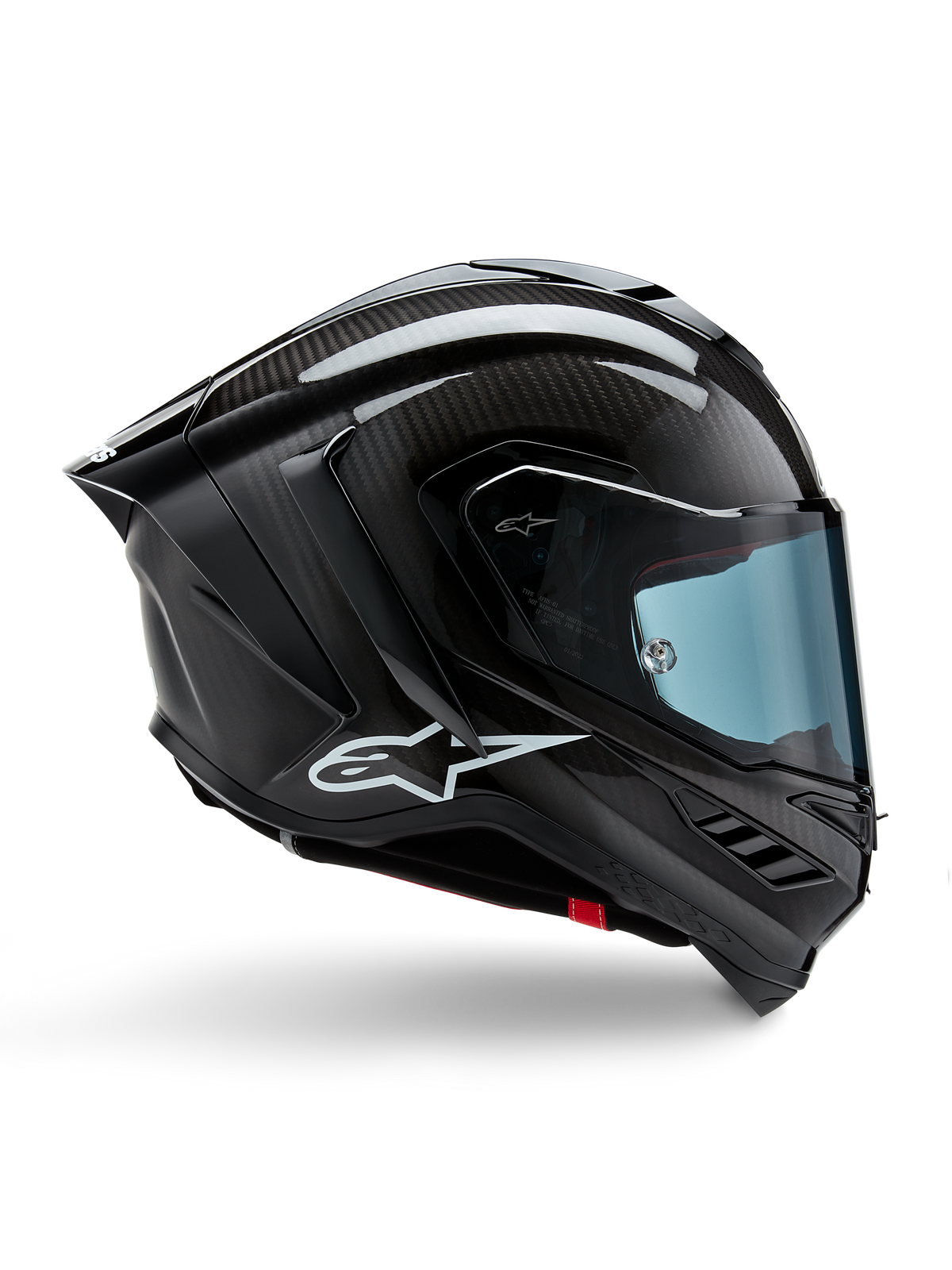
Supertech R10 Solid Helmet -
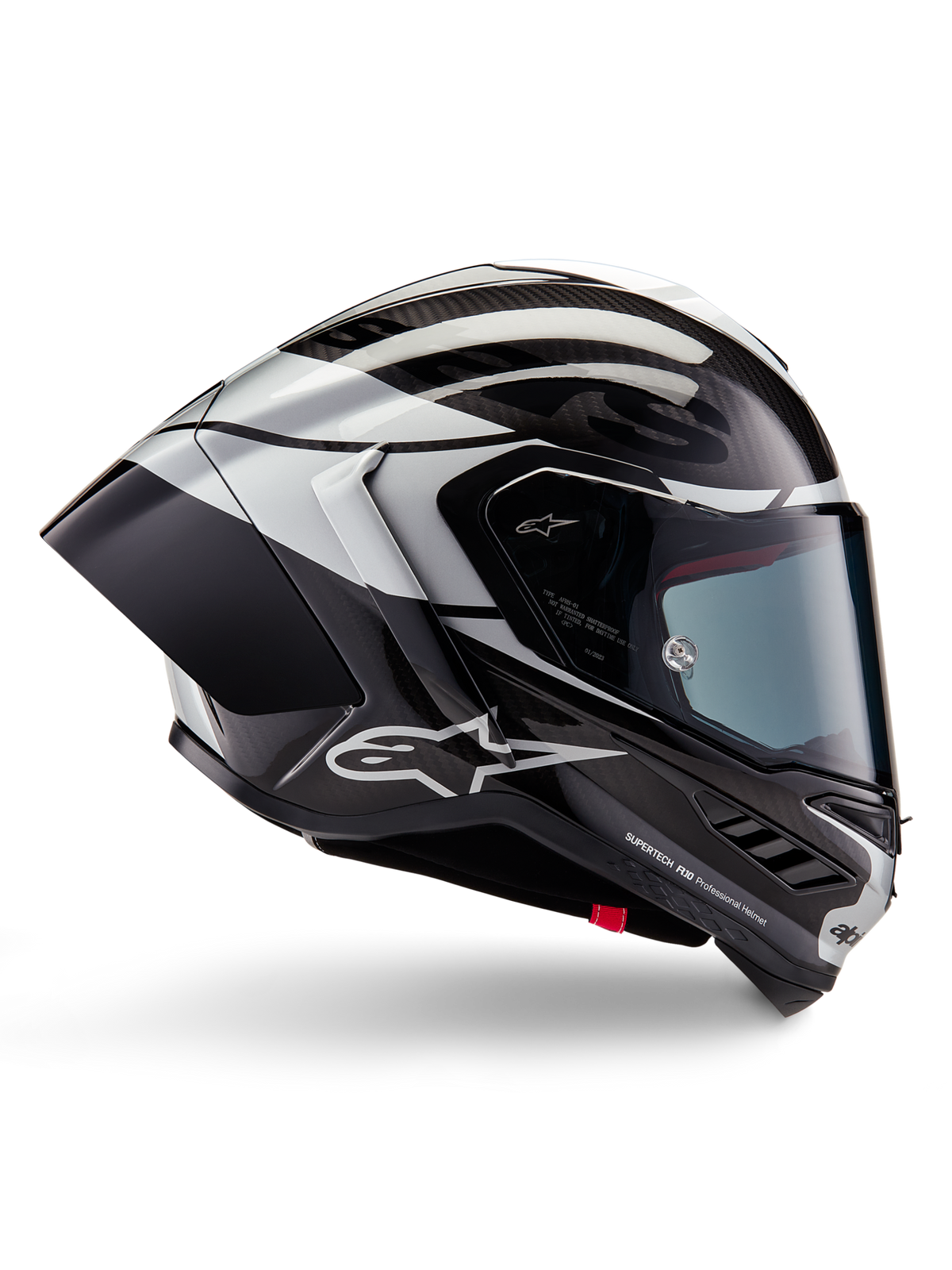
Supertech R10 Element Helmet -
Supertech R10 Element Helmet -
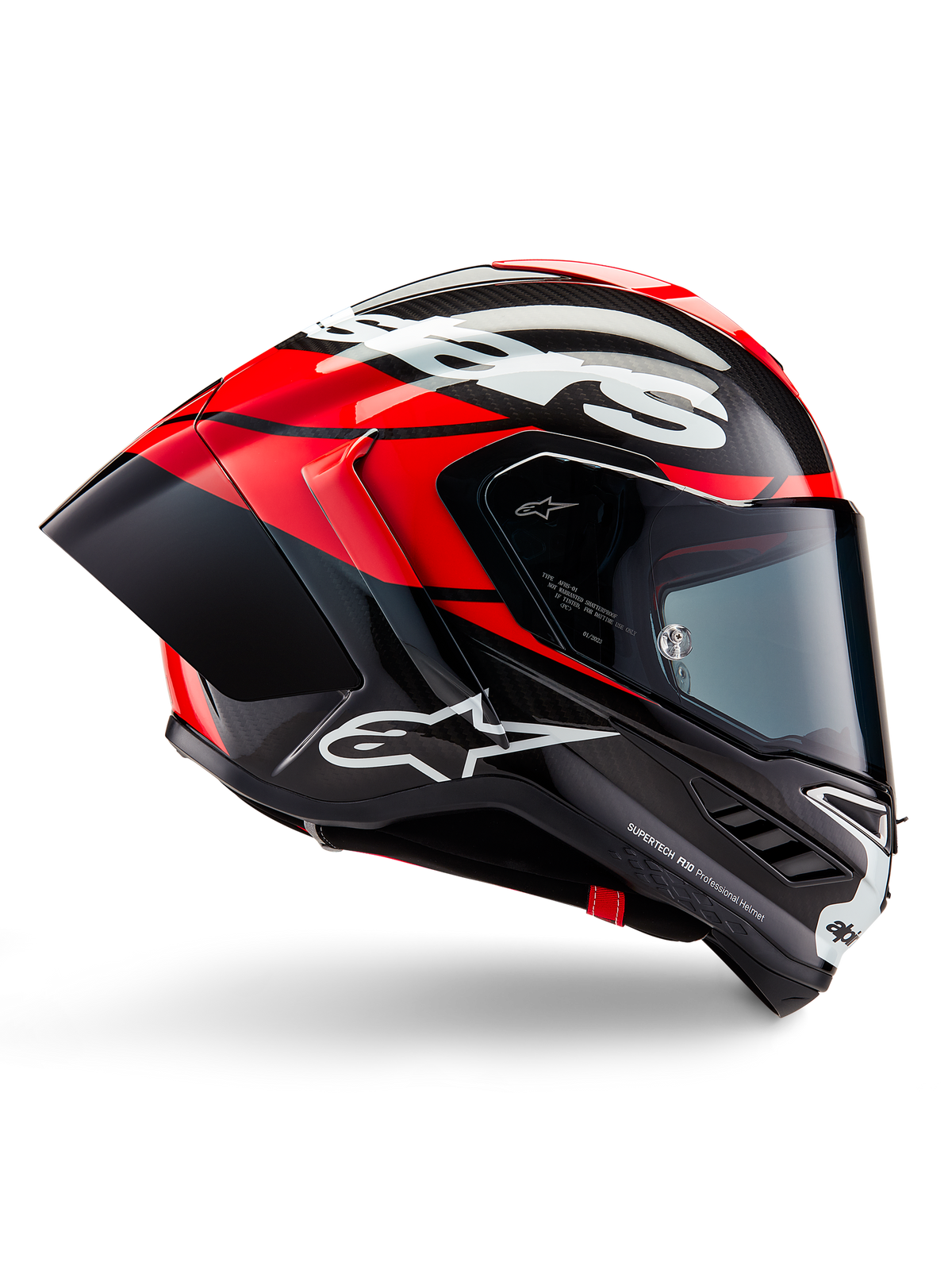
Supertech R10 Team Helmet -
Supertech R10 Solid Helmet -
S-R7 Solid Helmet -
Supertech R10 Arius Helmet -
Supertech R10 Acosta Limited Edition Helmet -
S-R7 A-Core Helmet -
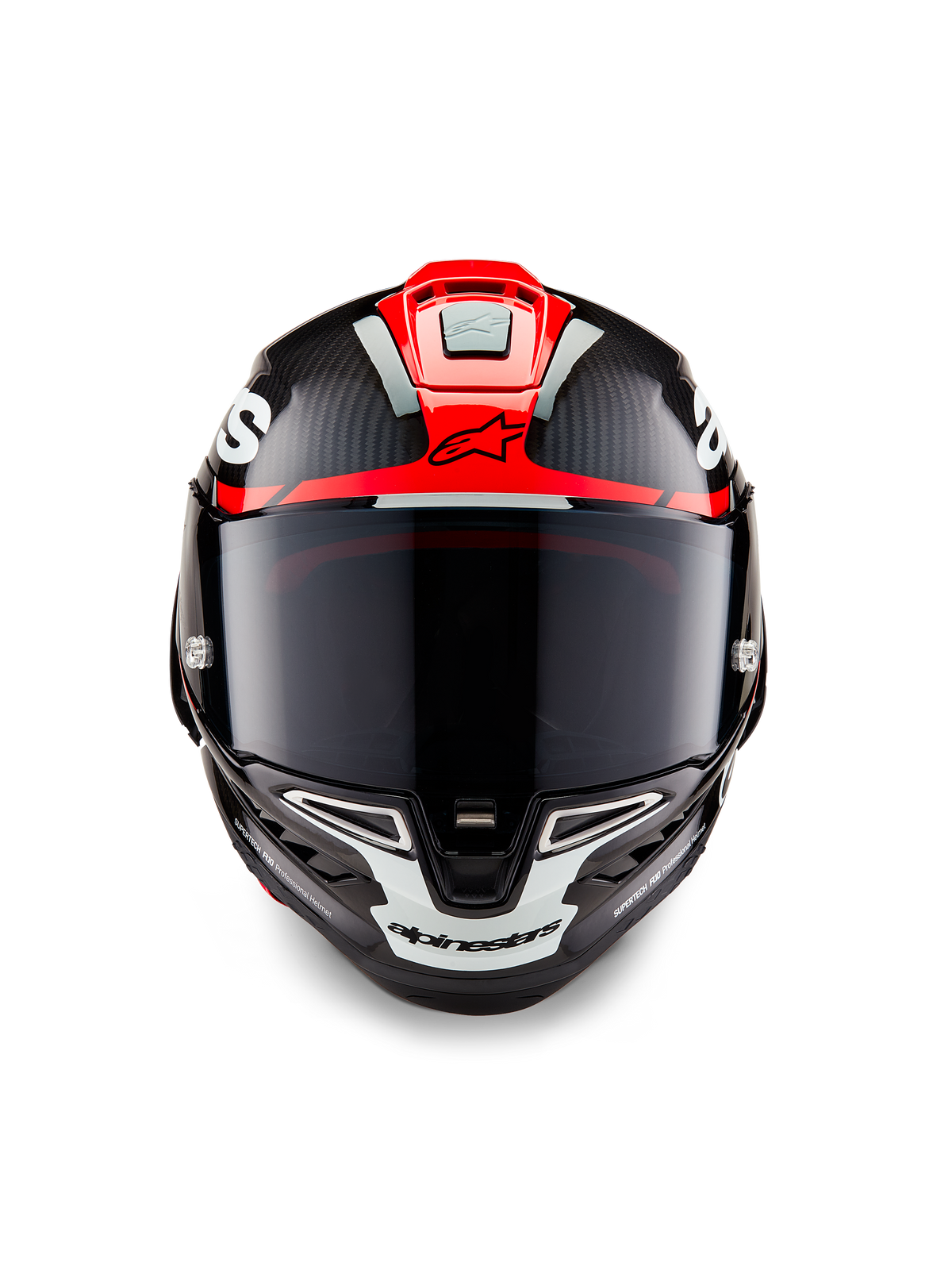
Supertech R10 Team Helmet -
Limited Edition Supertech R10 Martinator Thai Helmet -
Supertech R10 Limited Edition Flyte Helmet -
Supertech R10 Arius Helmet -
Supertech R10 Arius Helmet -
S-R7 Solid Helmet -
S-R7 Kinetis Helmet -
Supertech R10 Miller Limited Edition Helmet -
S-R7 A-Core Helmet -
S-R7 Kinetis Helmet -
S-R7 Zeal Helmet -
S-R7 Lumen Helmet -
S-R7 Solid Helmet -
S-R7 Solid Helmet -
S-R7 A-Core Helmet -
S-R7 Zeal Helmet -
S-R7 Lumen Helmet




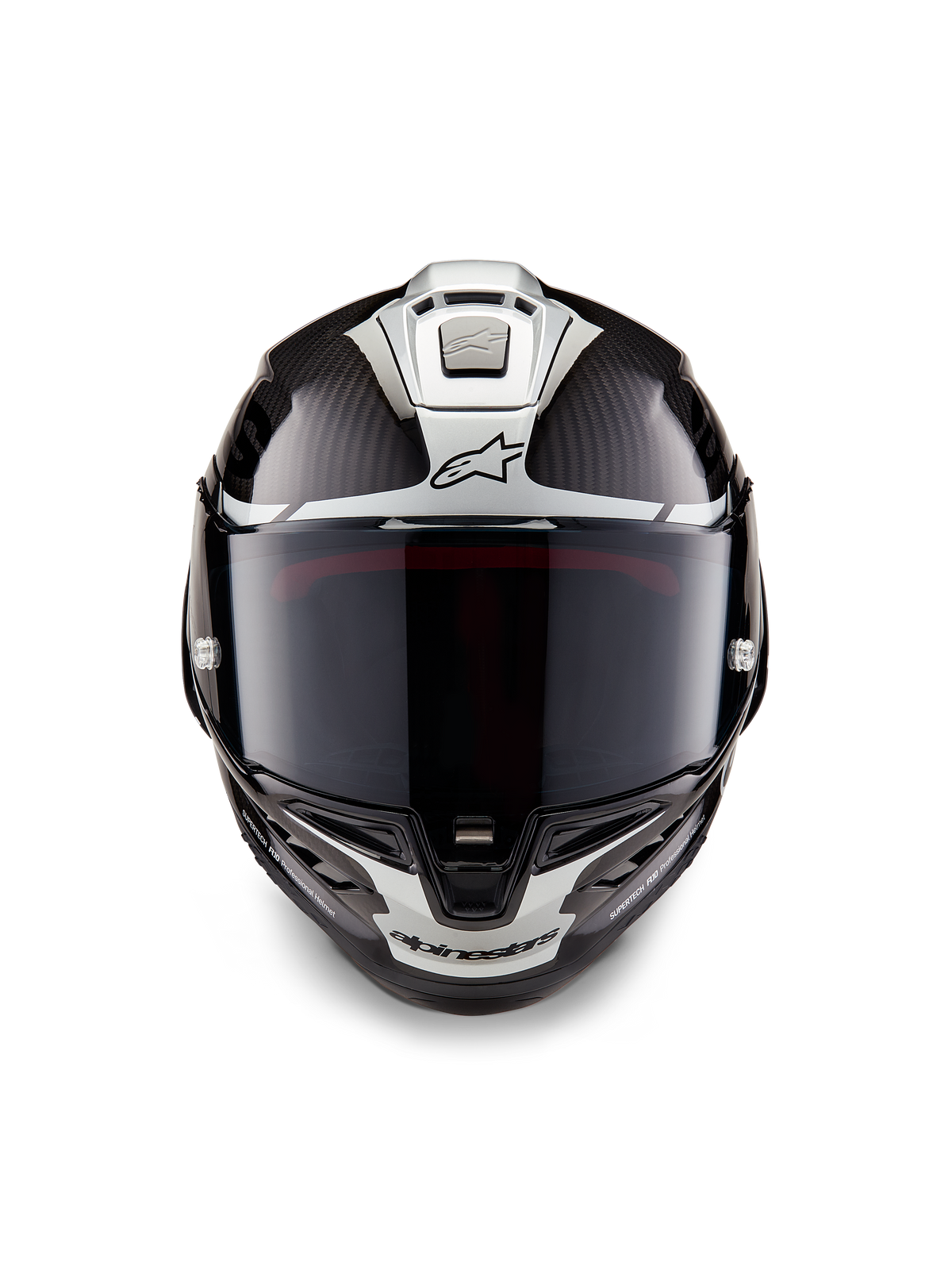
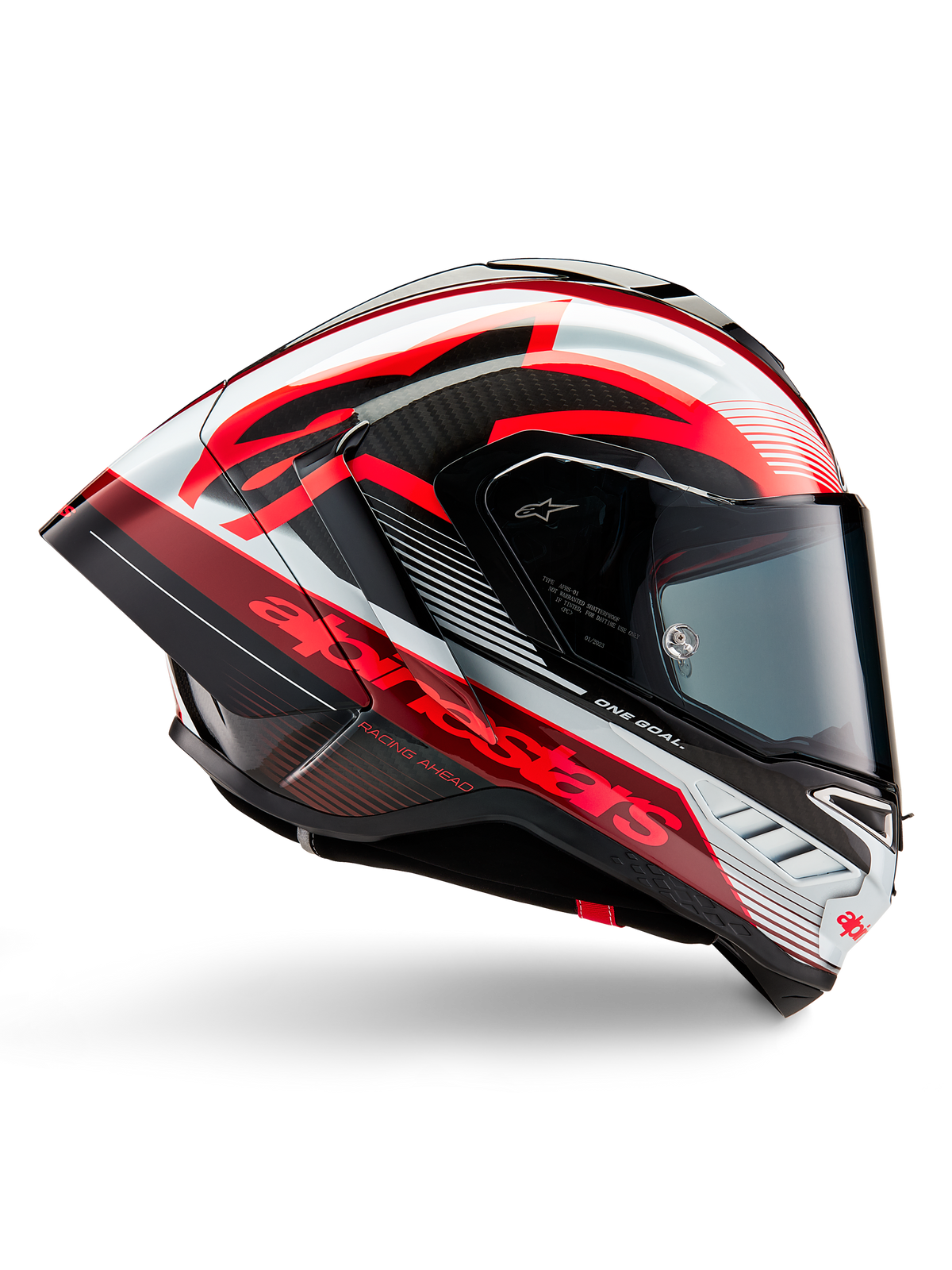
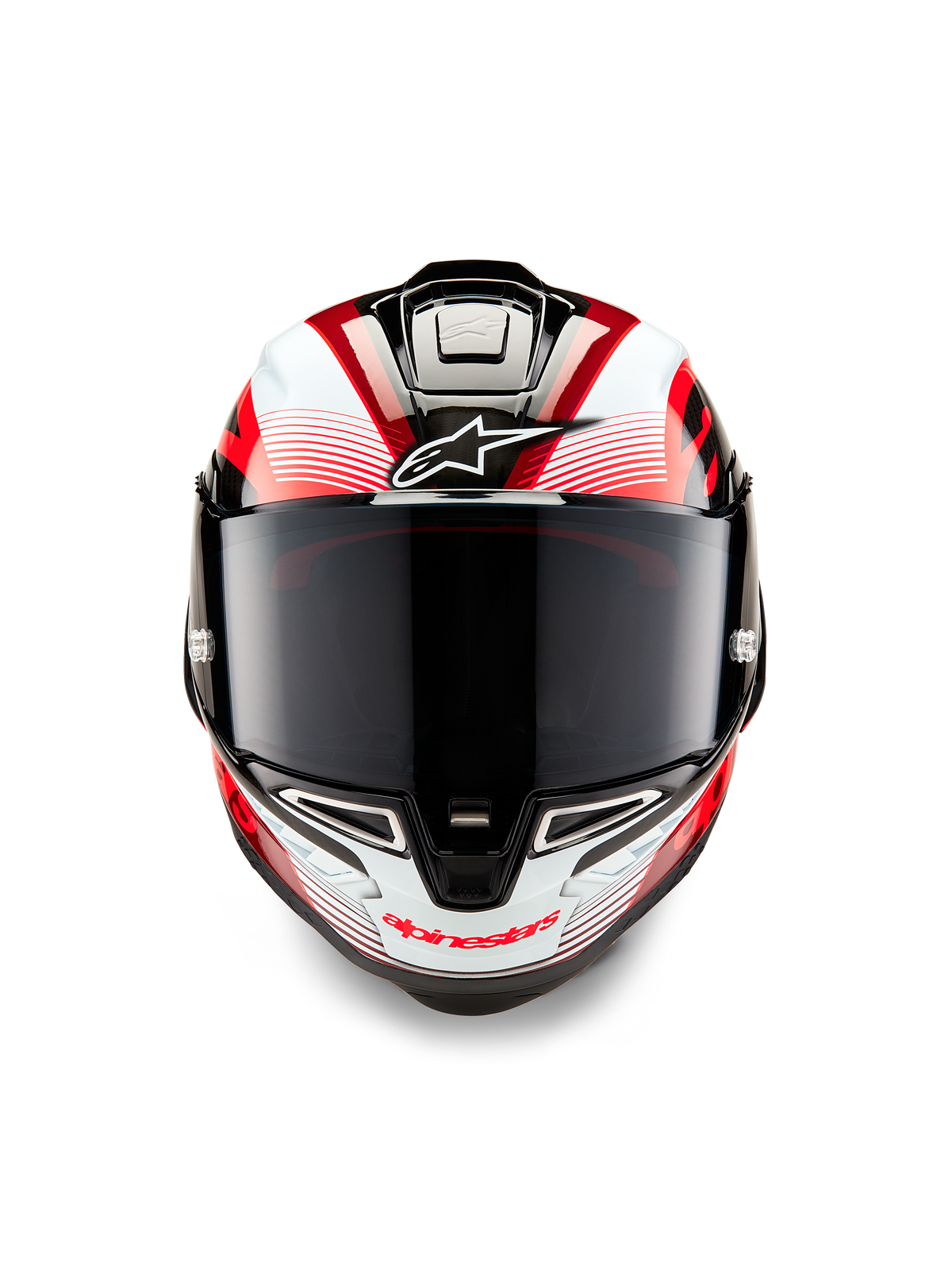


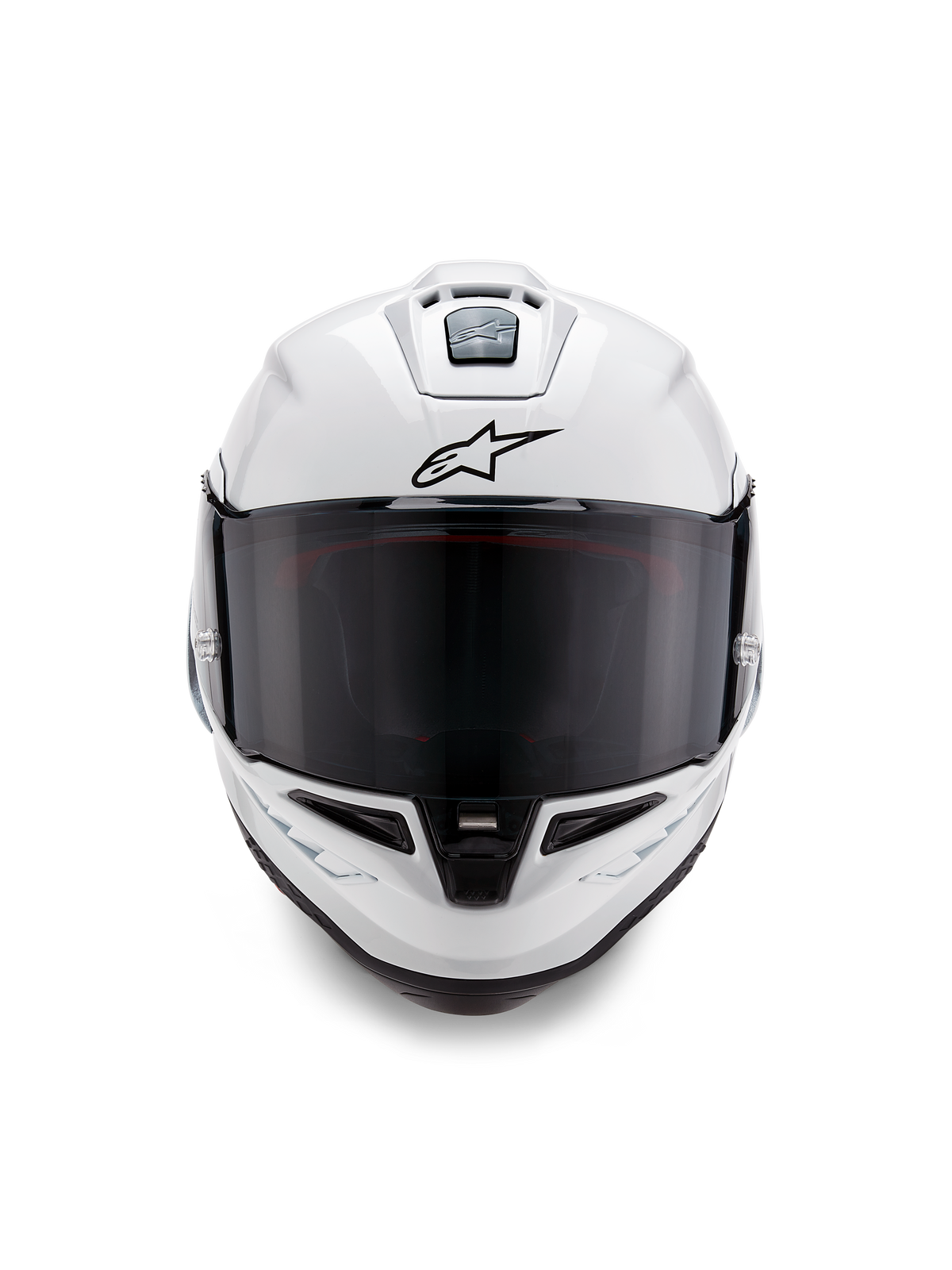


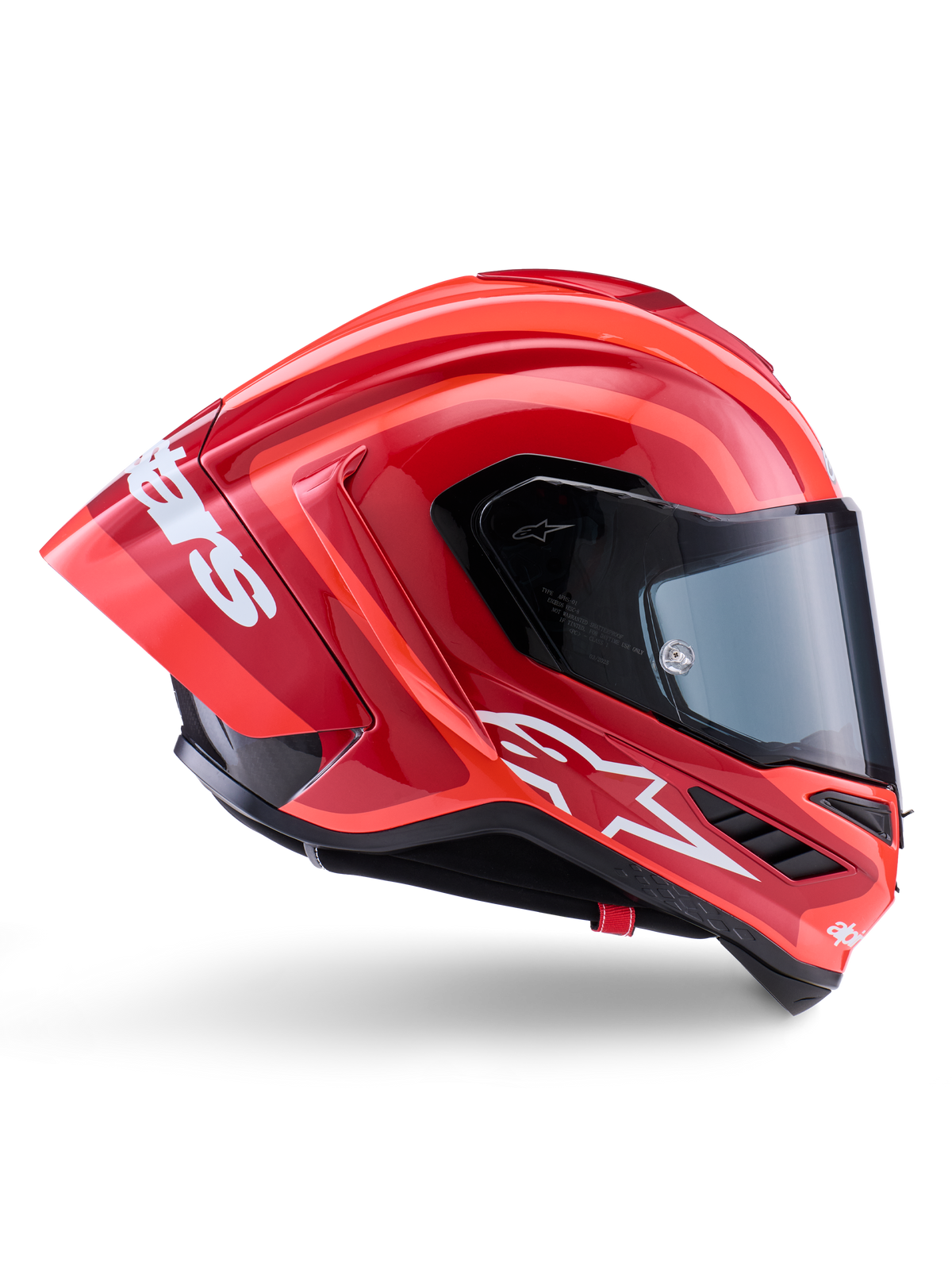
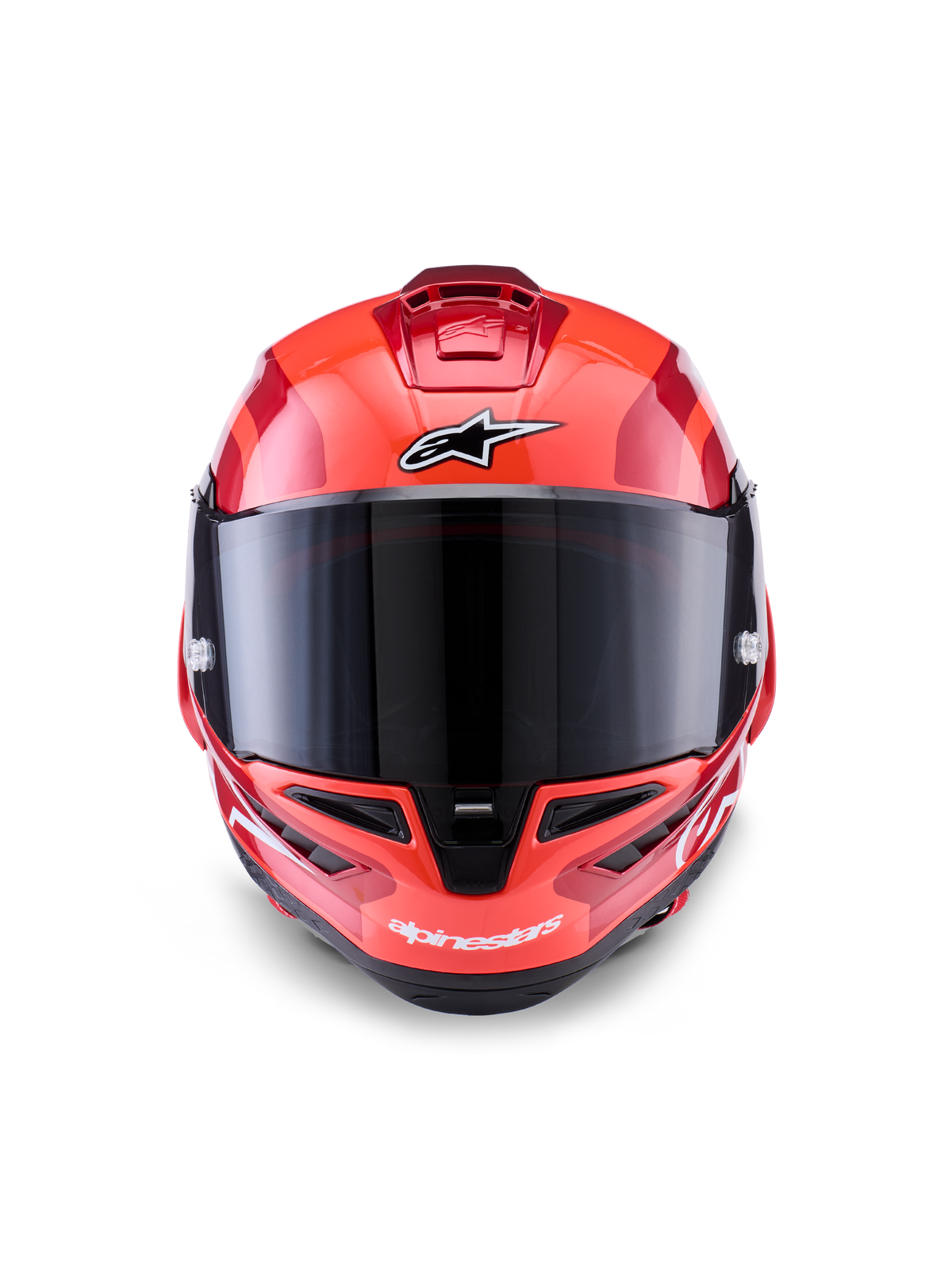


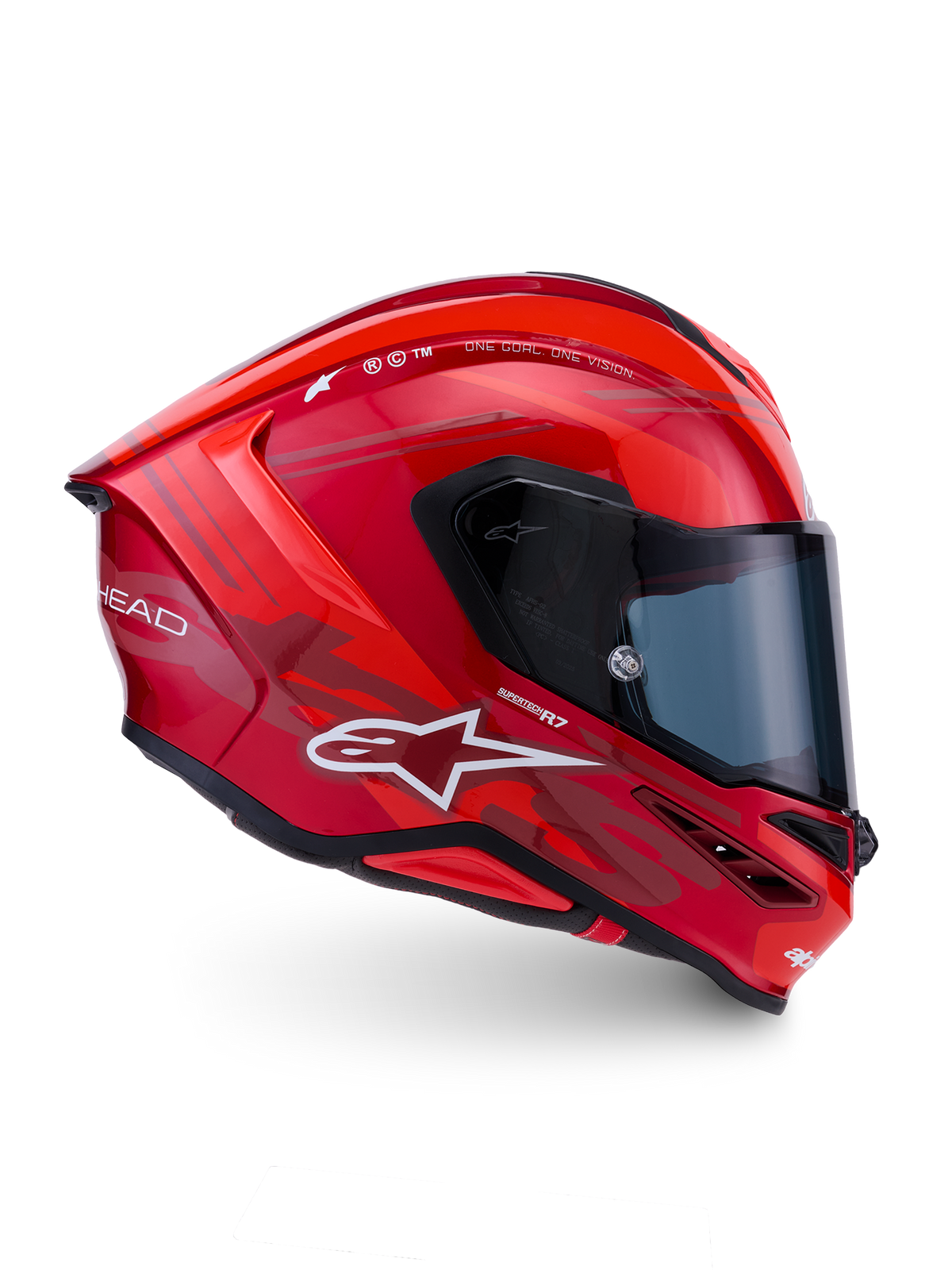


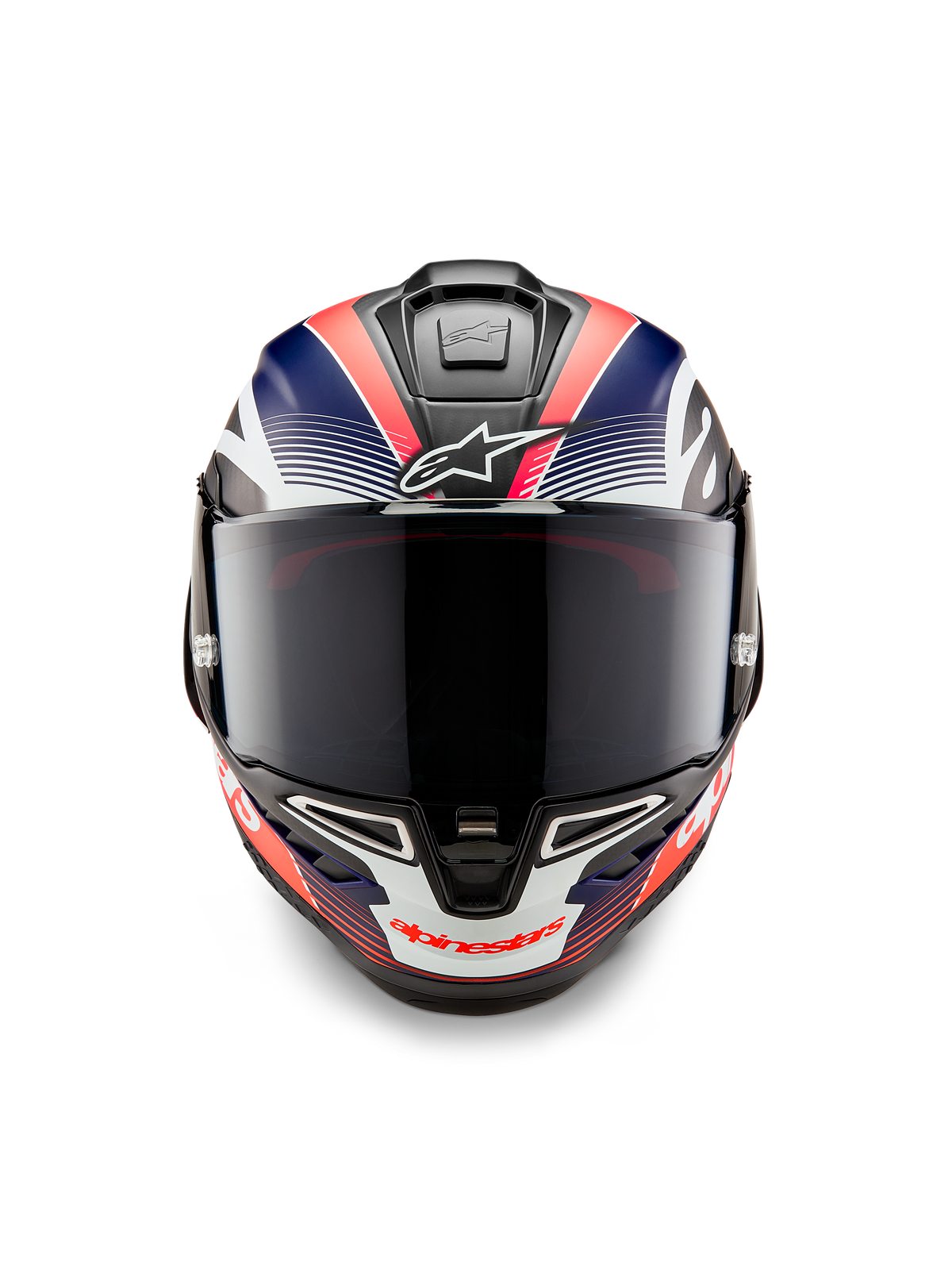
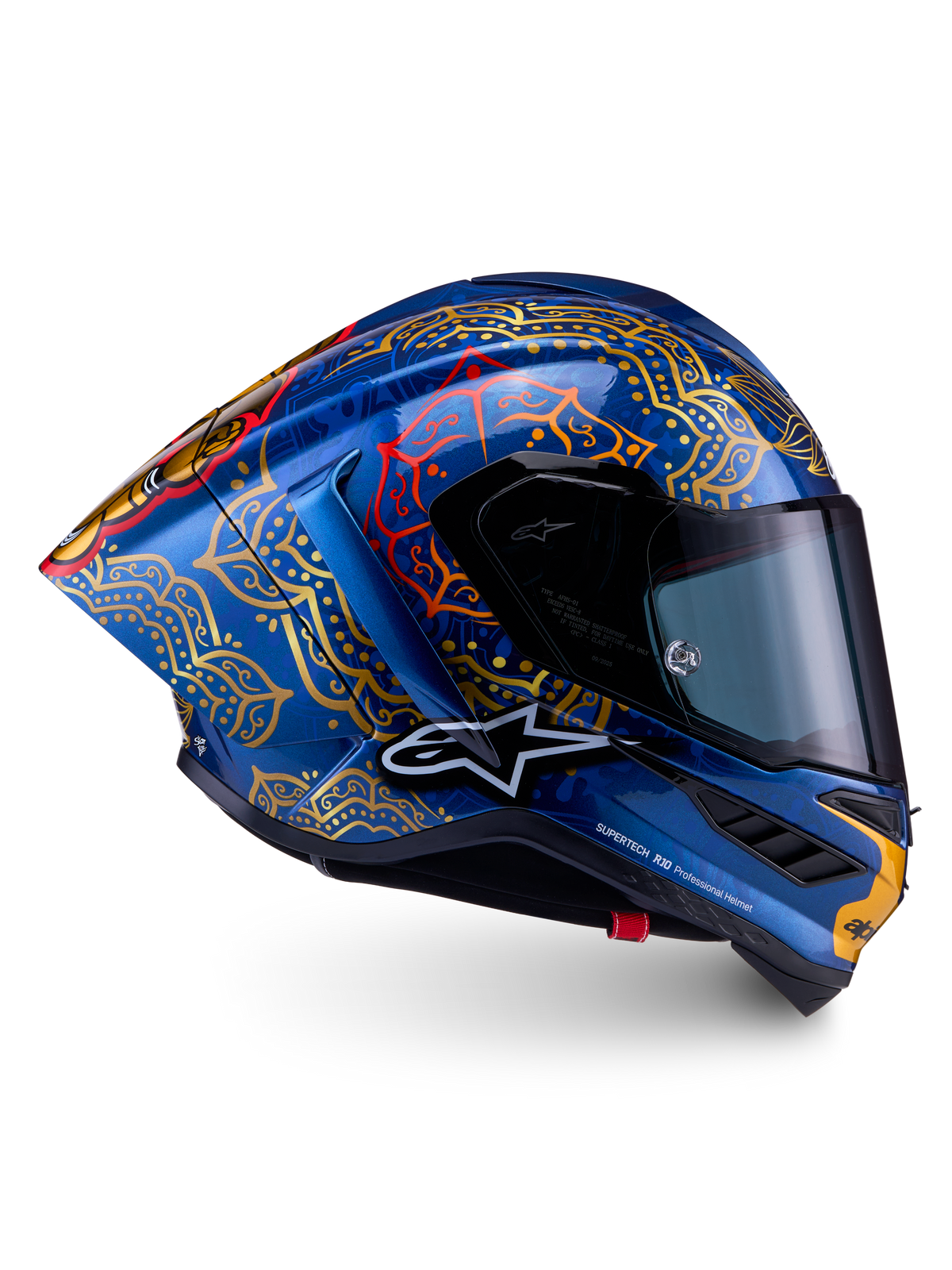


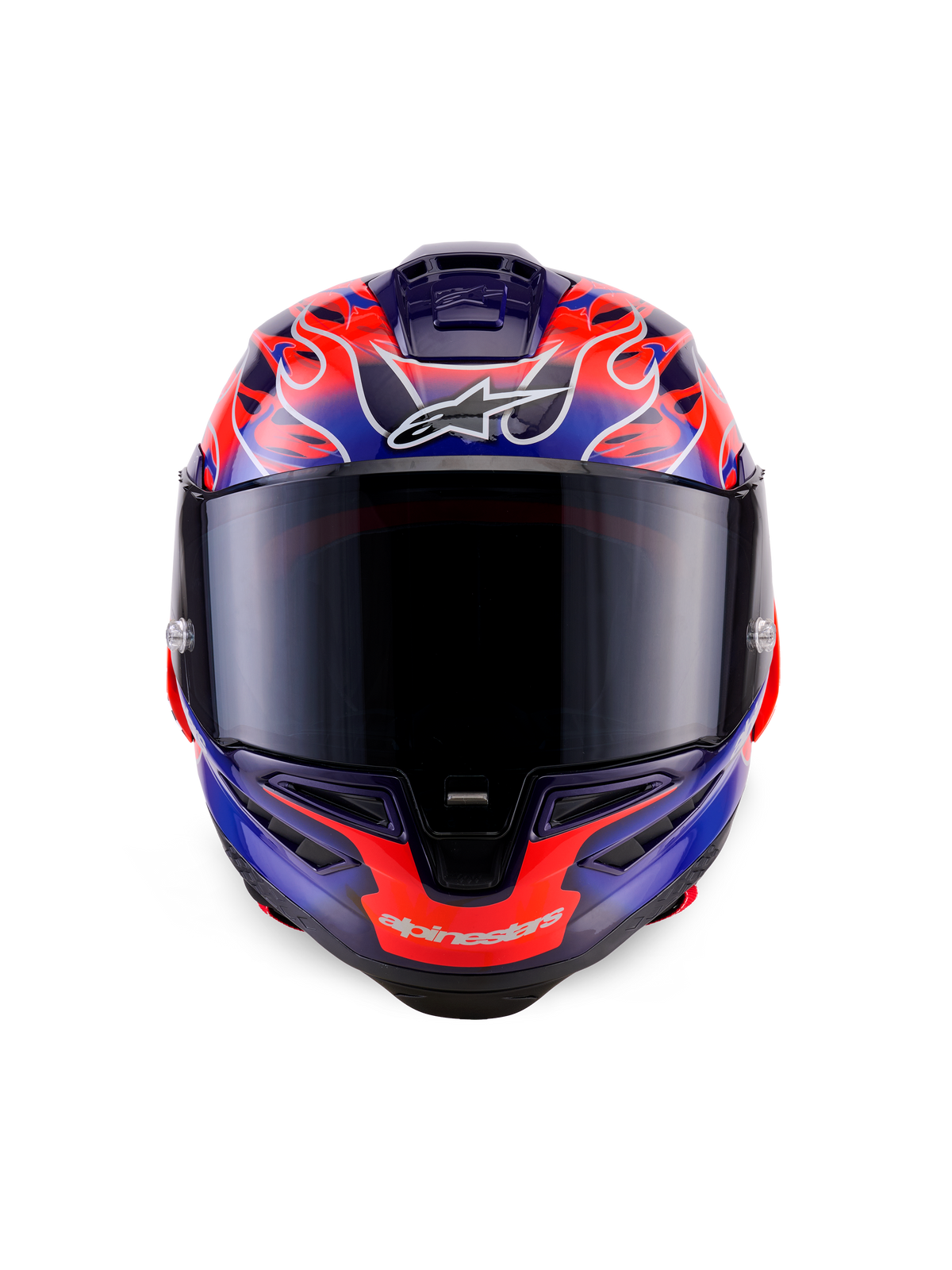


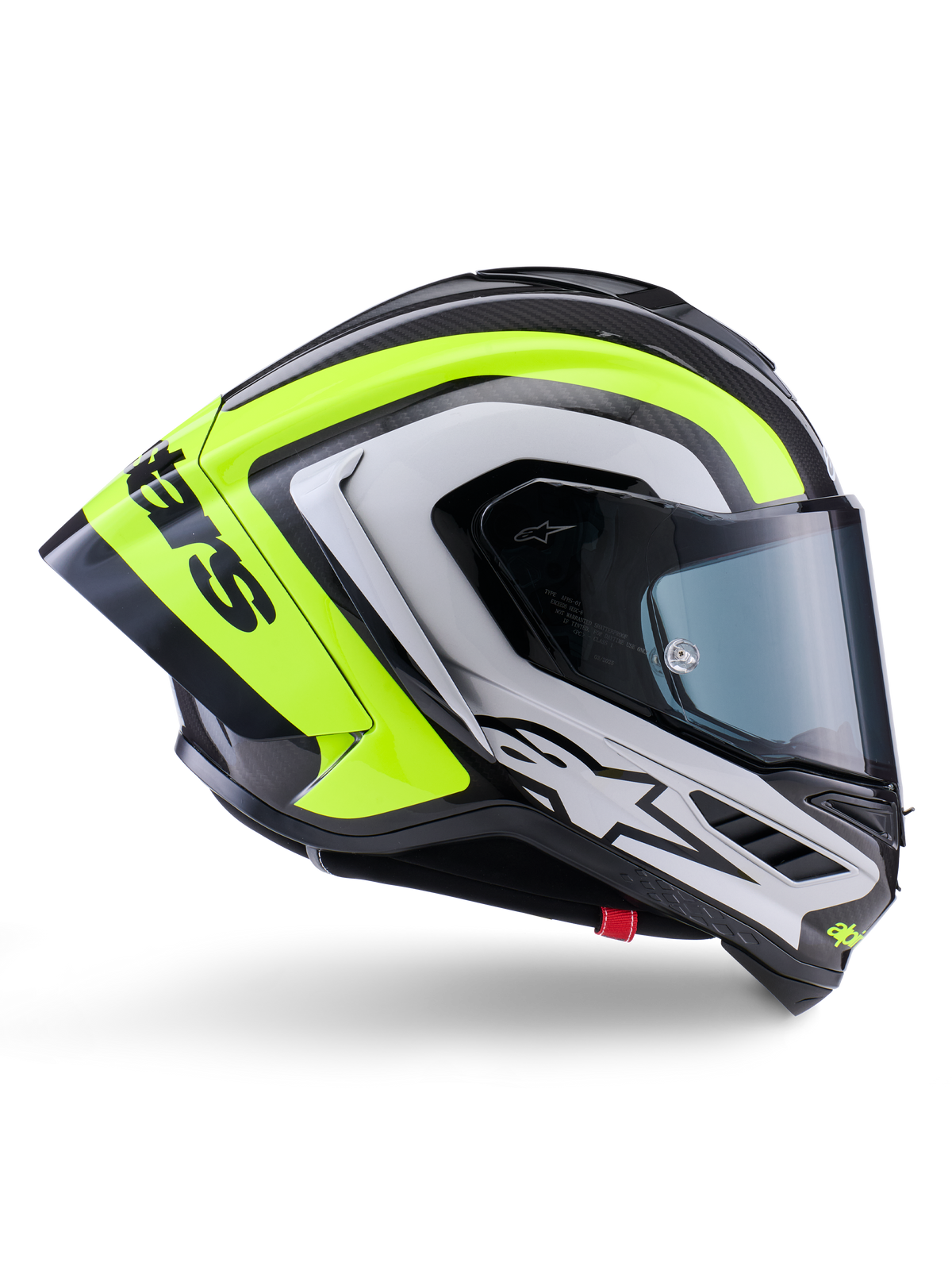


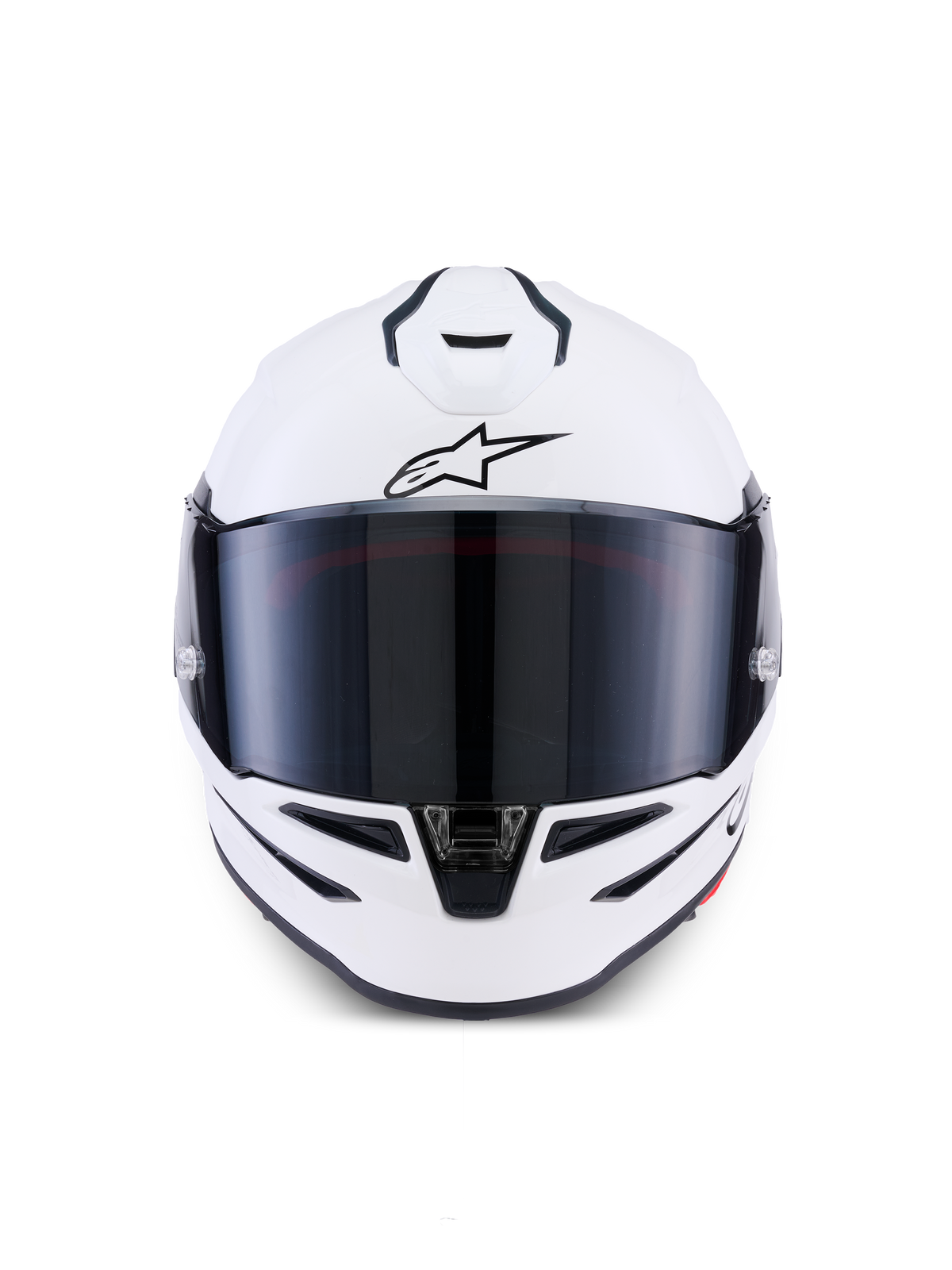
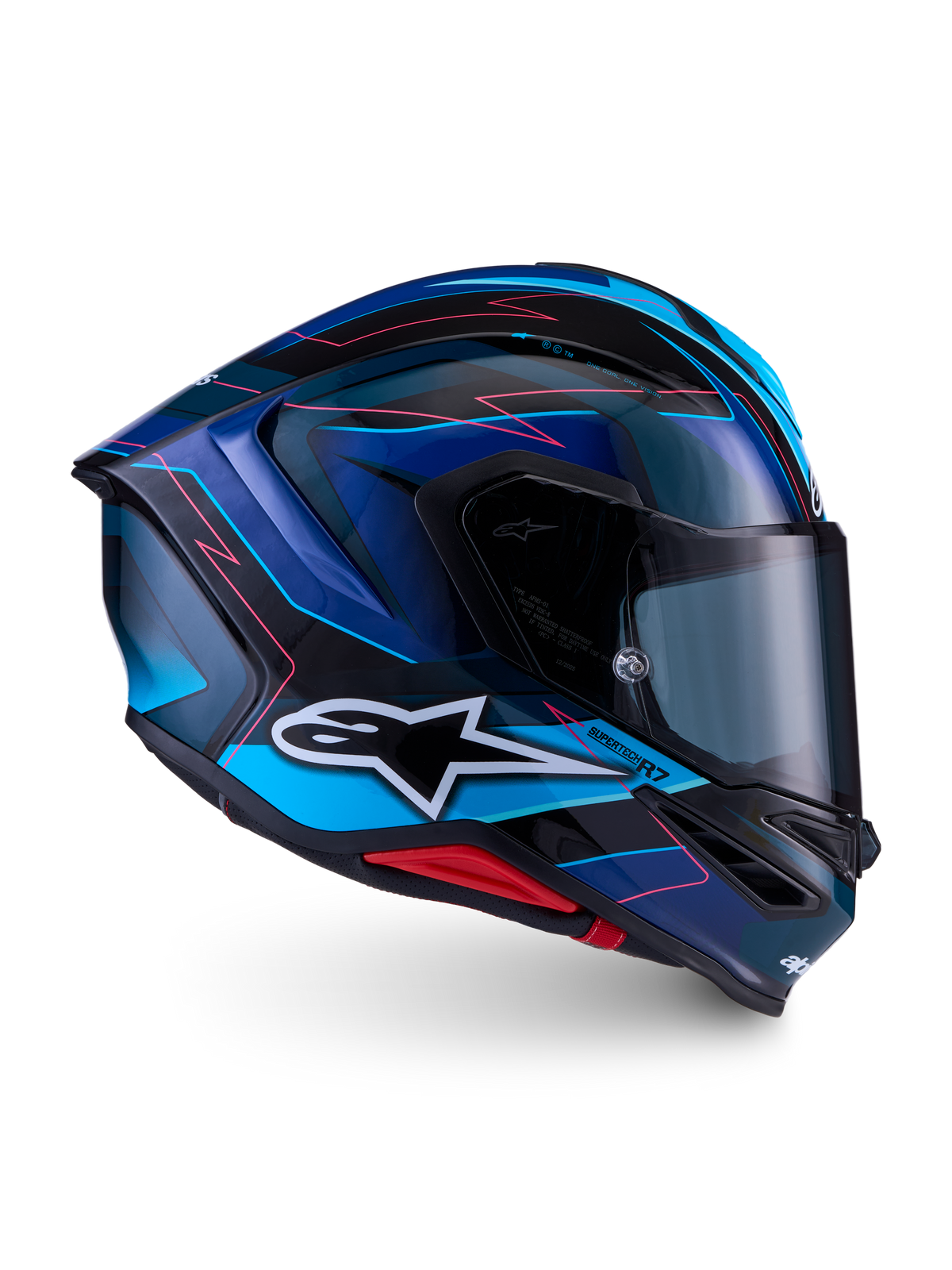


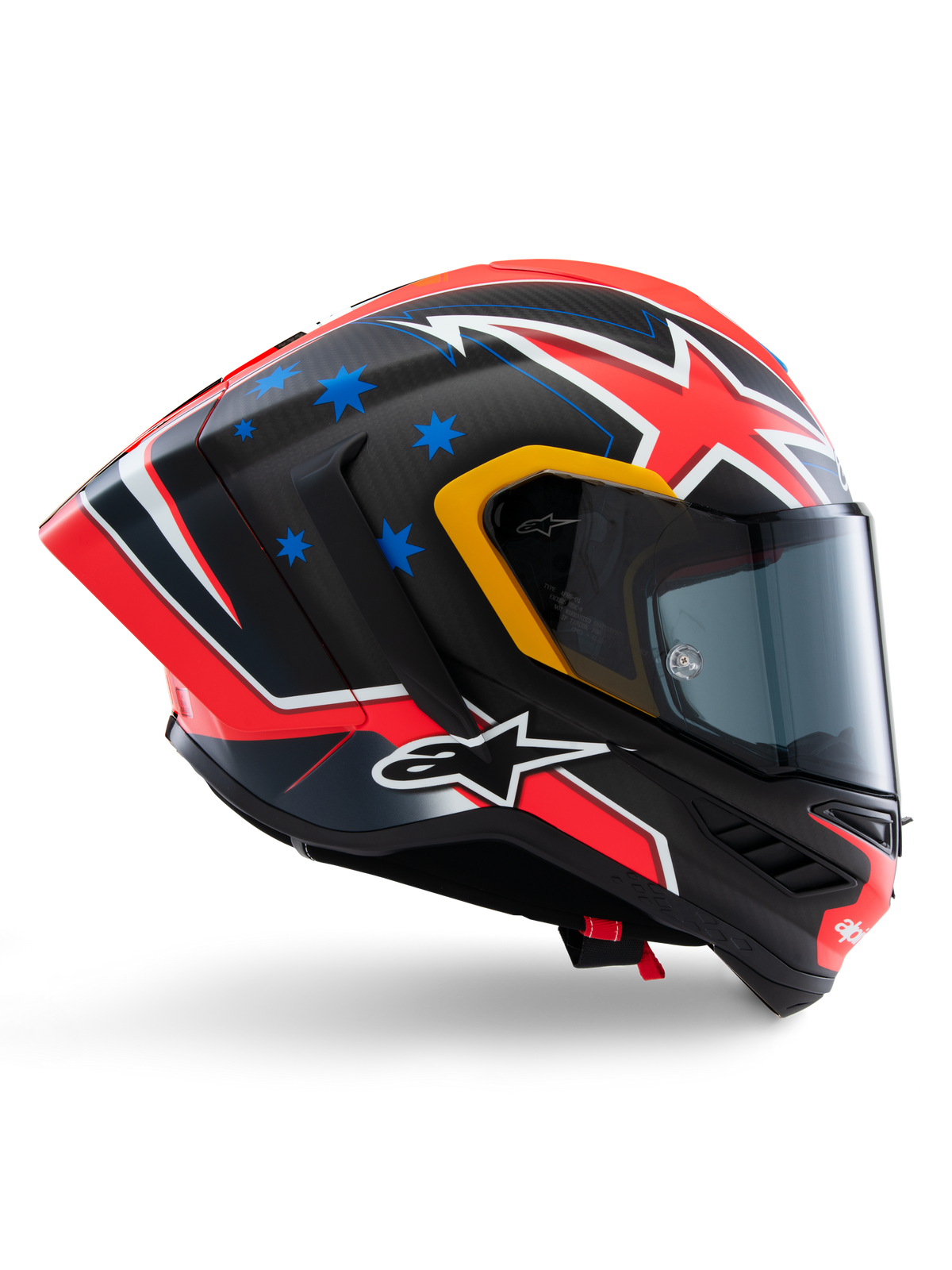
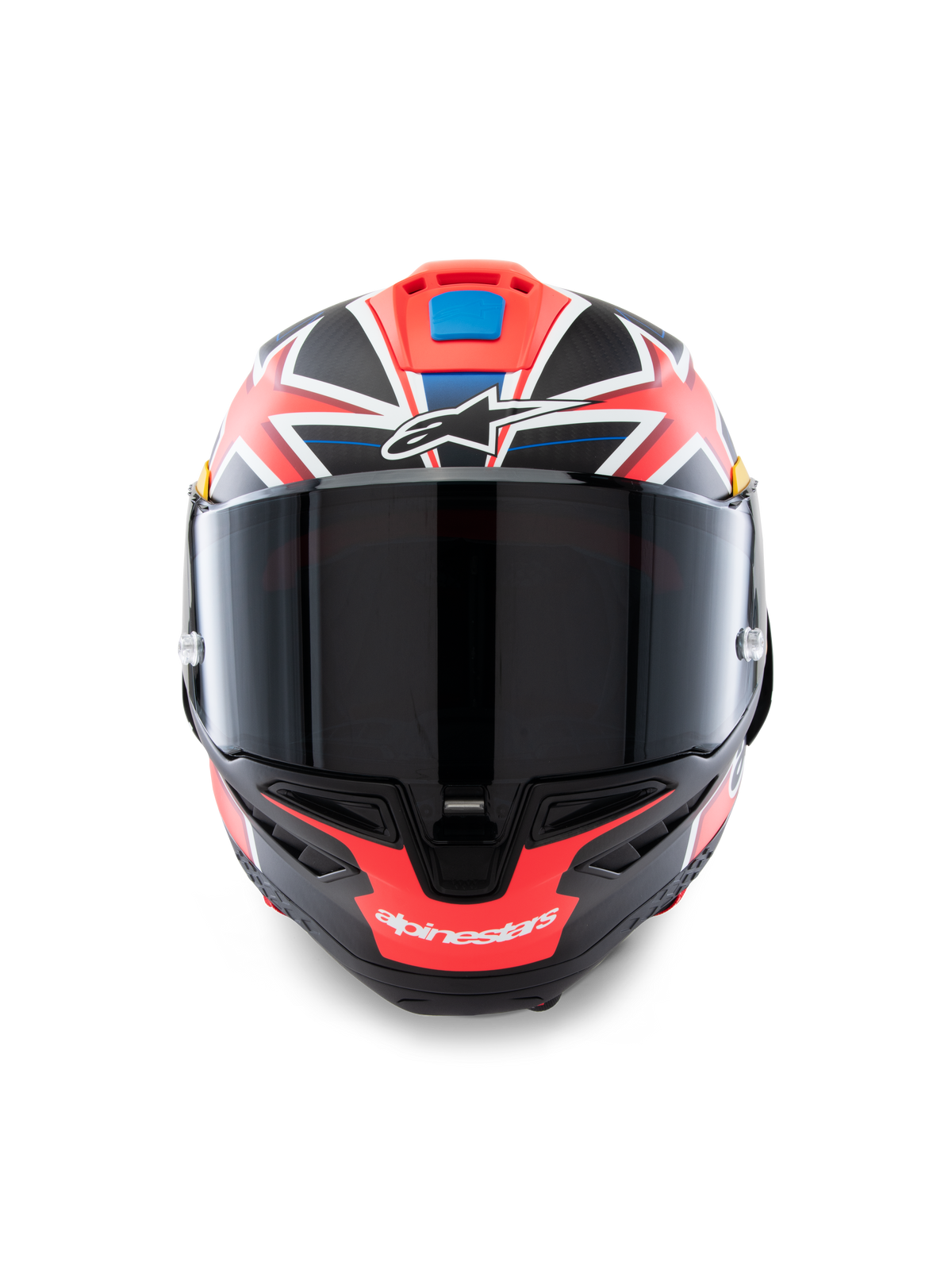
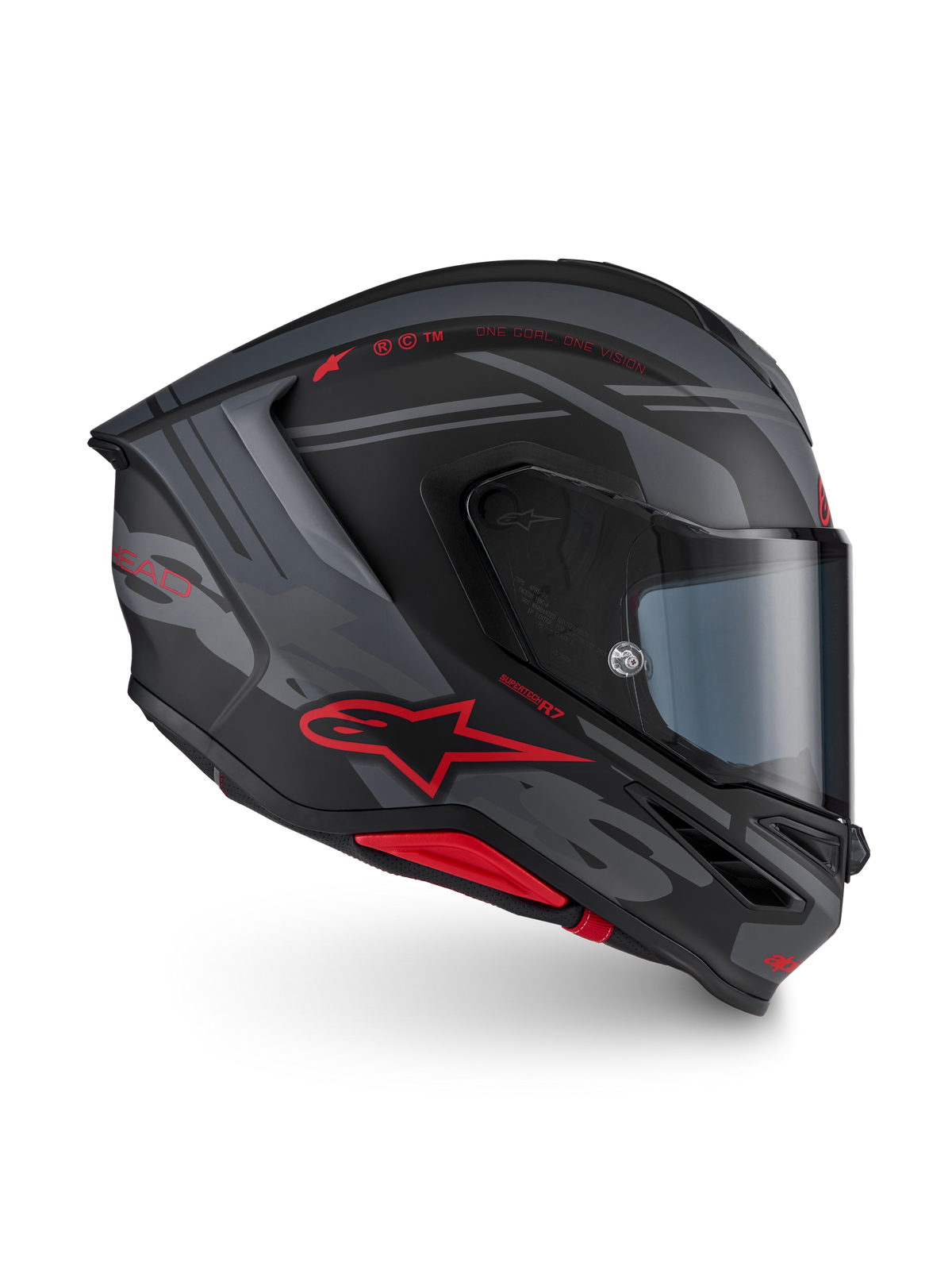


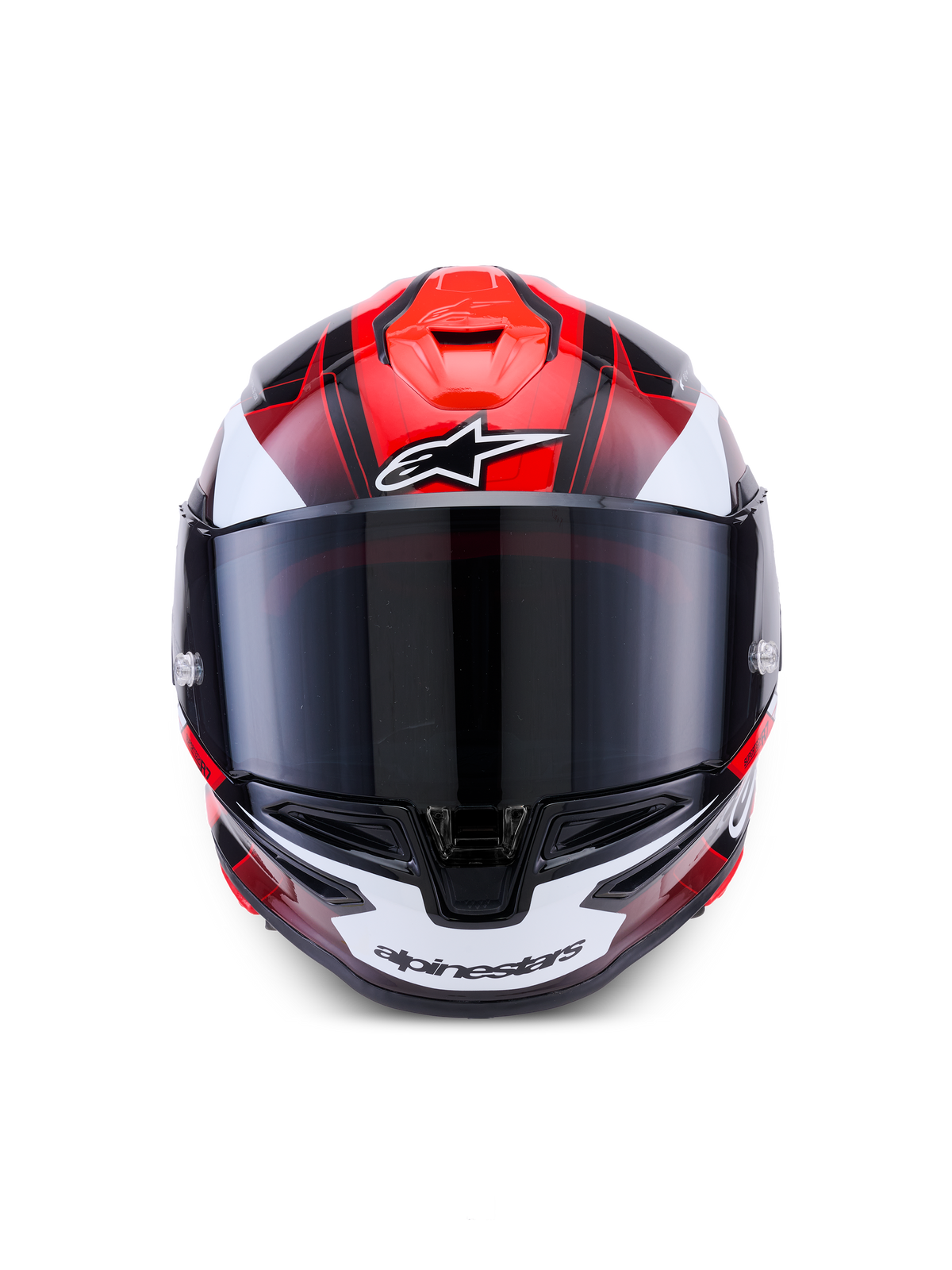


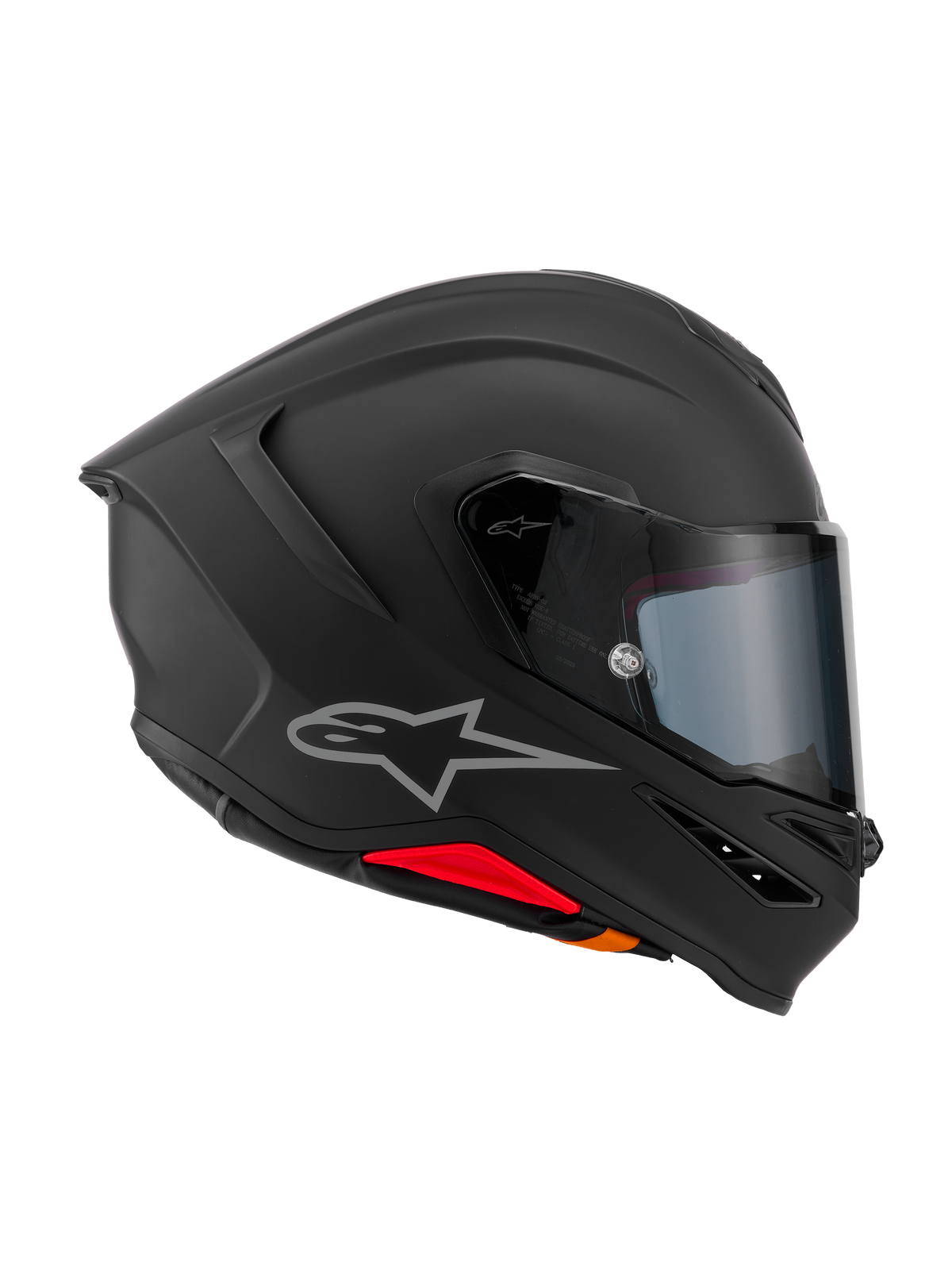
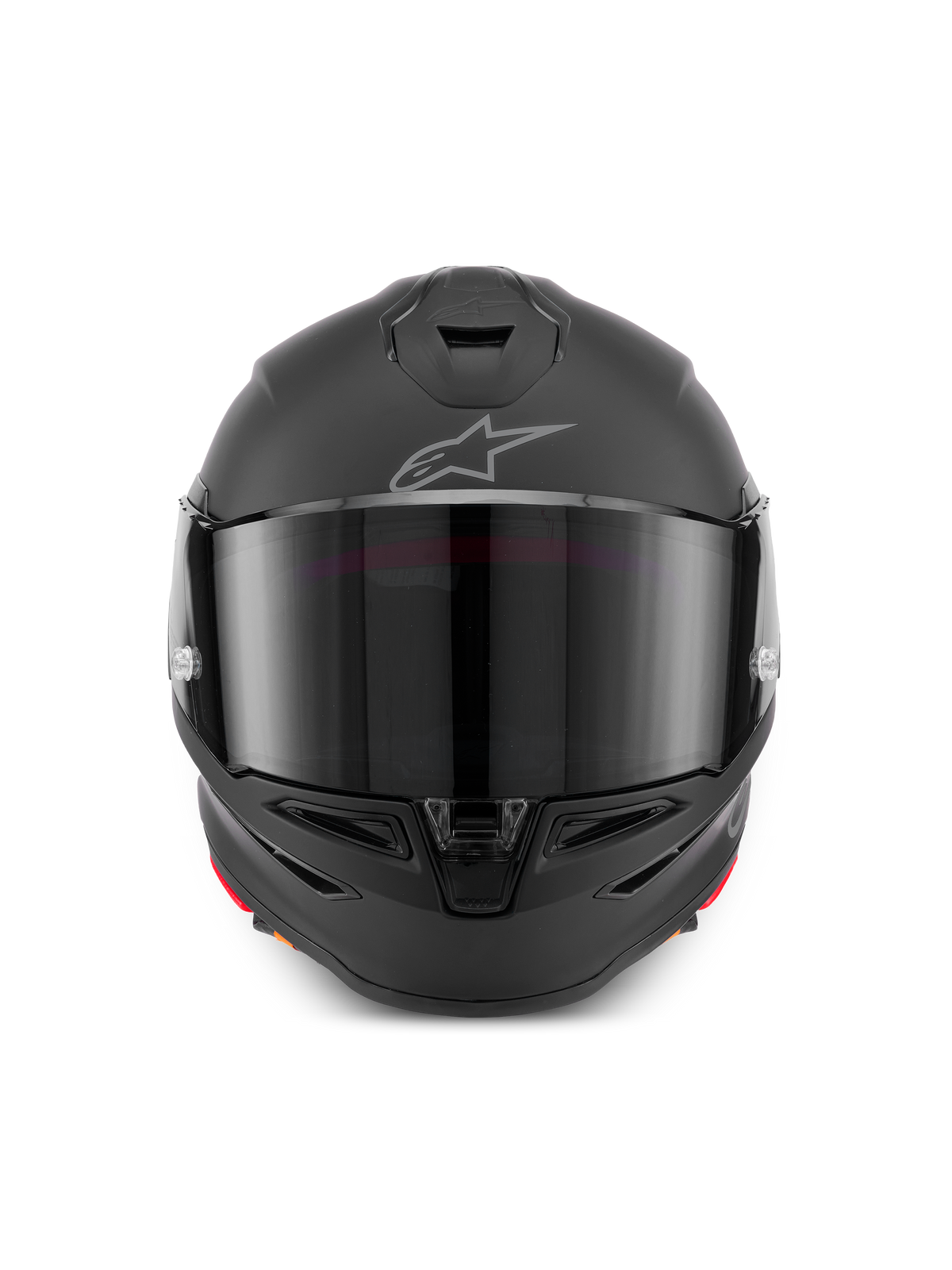

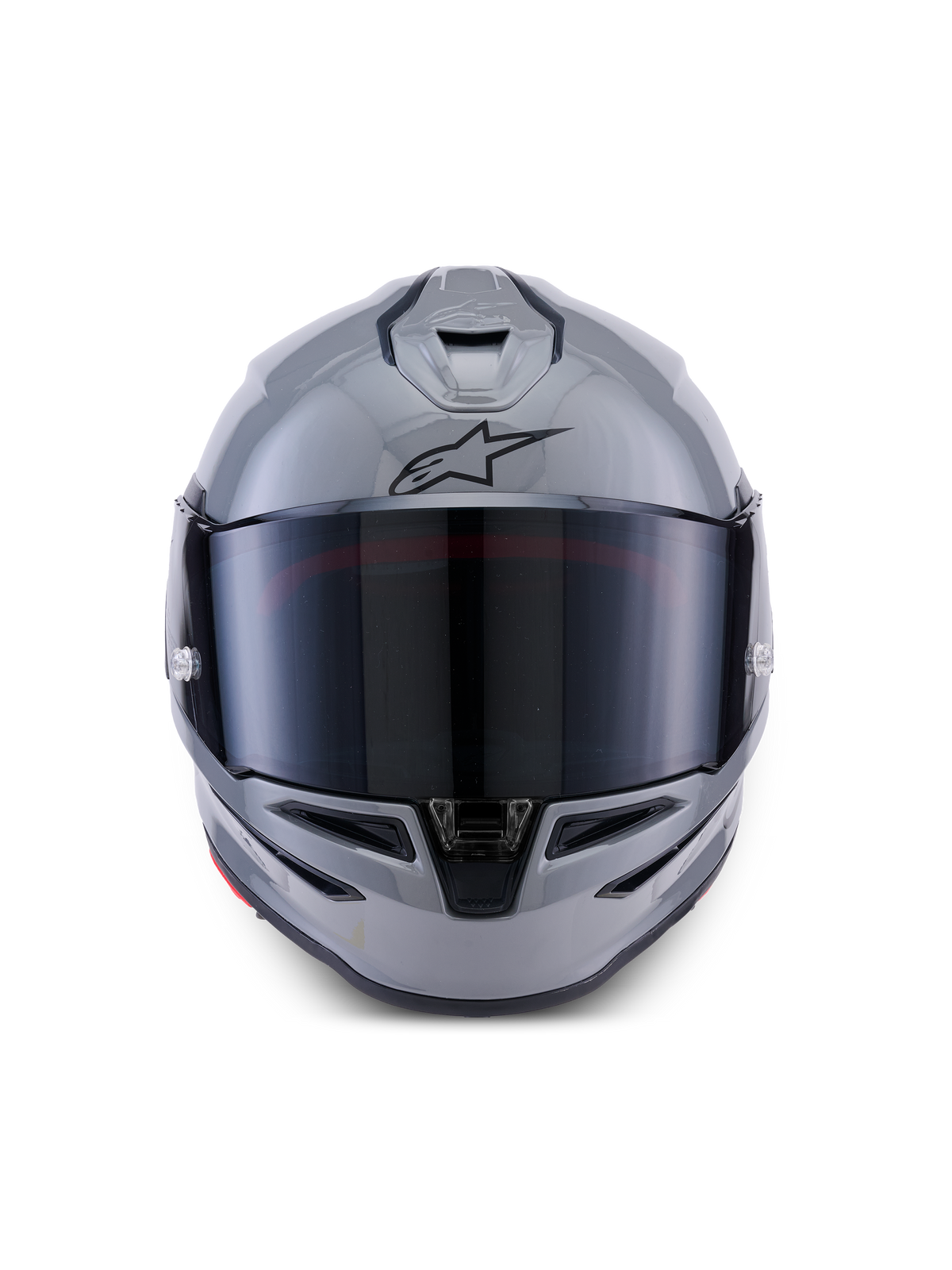
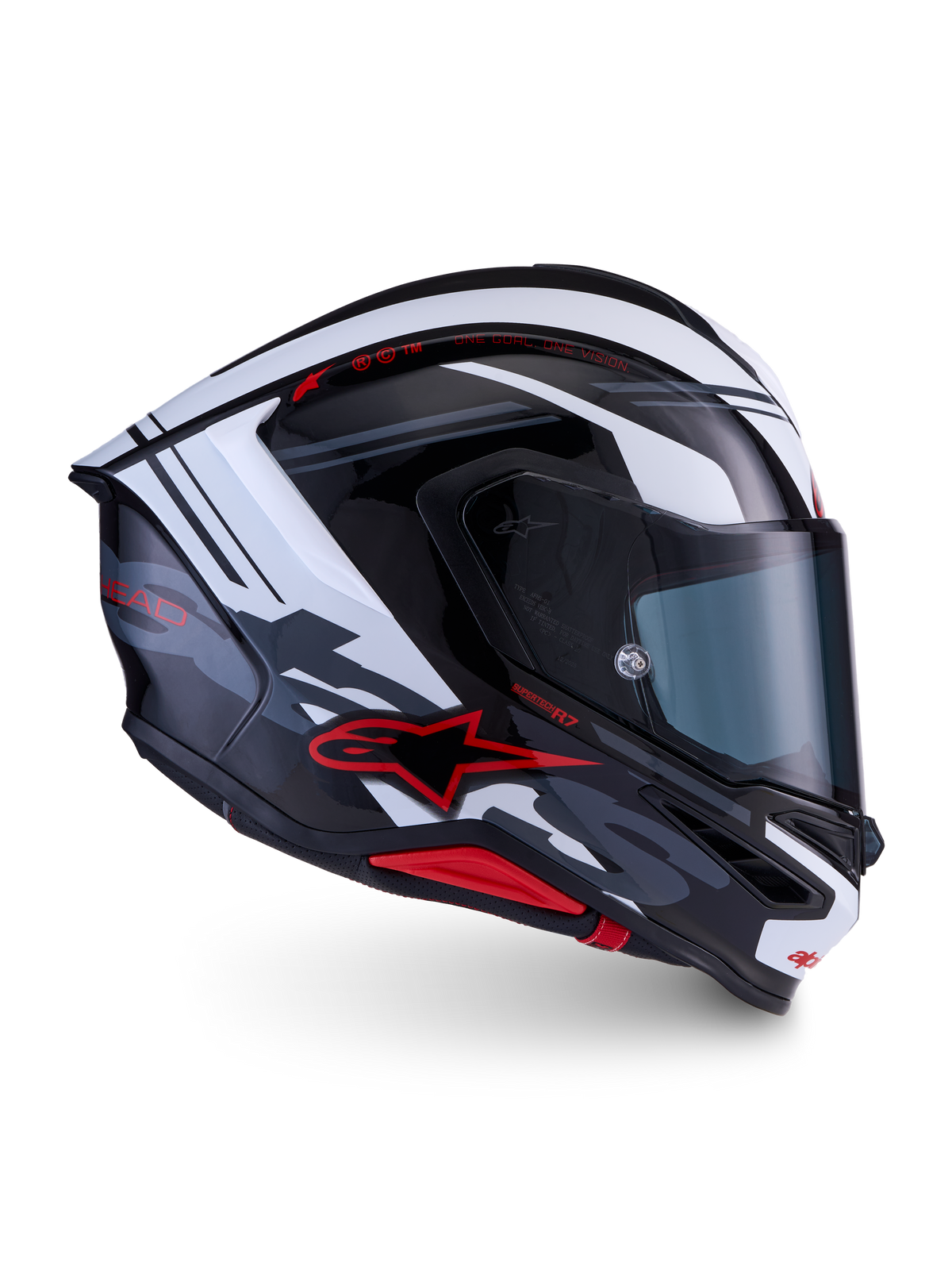


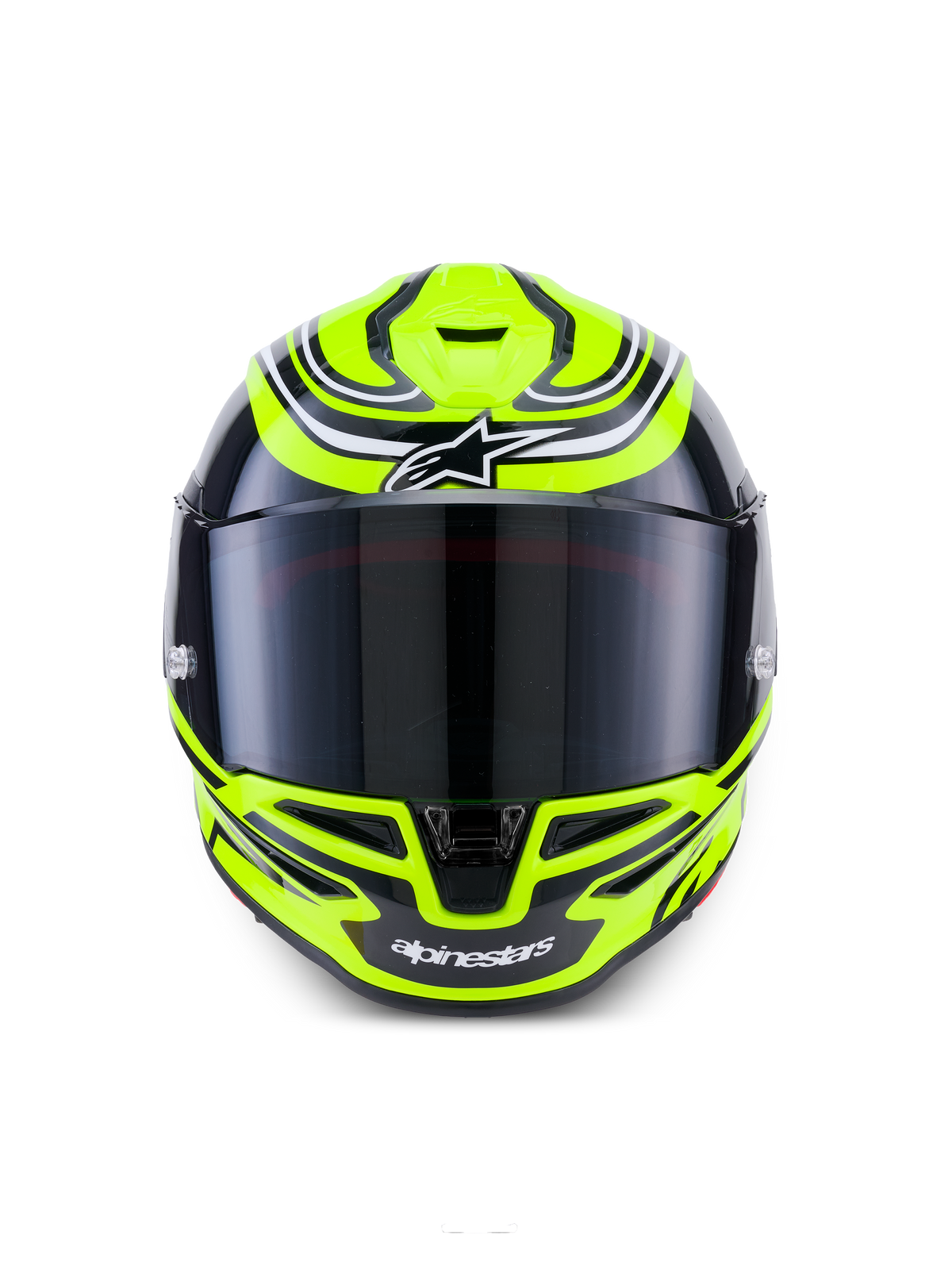


26 of 26 products
All products loaded
Frequently asked questions Hide FAQs
What are full face motorcycle helmets designed for?
Full face motorcycle helmets are designed to provide the most complete coverage around the head, chin, and face area. They are a common choice for road riding, sport riding, commuting, and track use because the chin bar and continuous shell construction create more coverage than more open helmet styles.
Within a full face helmet collection, riders typically compare options based on intended use, shell construction, weight, aerodynamics, ventilation, visor system, and certification level. For everyday street use, comfort and long-wear stability are usually the priority; for more aggressive sport and track use, riders often focus on aerodynamic control, field of vision, and advanced safety standards.
How should a full face helmet fit and how do I choose the right size?
A full face helmet should fit evenly and securely around the head without pressure hotspots. It should feel snug at the cheeks and crown, and it should not move freely when the chin strap is fastened. A new helmet may feel slightly firm at first, because the interior padding usually settles with use.
Measure your head and compare that measurement with the Alpinestars size chart before ordering. If you are between sizes, consider your head shape, the fit feel you prefer, and whether you normally ride with a thin balaclava or similar under-helmet layer. Correct sizing matters because helmet protection depends on stable positioning during impact.
Are full face helmets DOT, ECE 22.06, or FIM homologated?
Certification depends on the specific helmet model, but full face motorcycle helmets in this category commonly reference DOT and ECE 22.06 standards. DOT applies to road-legal motorcycle helmets in the United States, while ECE 22.06 is the current European regulation with updated impact and rotational test requirements.
Some race-focused full face helmets may also carry FIM homologation for competition use. Because certification can vary by model and market, always check the individual product page and helmet labeling to confirm the exact homologation before riding on the road or using the helmet for track activity.
Are full face helmets good for street riding, sport riding, and track days?
Yes. Full face helmets are widely used across street, canyon, and track environments because they combine facial coverage, aerodynamic control, and integrated visor protection. The main difference within the collection is whether a helmet is tuned more toward daily road comfort or toward higher-speed sport and race performance.
| Use | What riders usually prioritize | Typical helmet focus |
|---|---|---|
| Street / commuting | Comfort, ventilation, visibility, day-long wear | Balanced road-oriented full face design |
| Sport riding | Stability, lower weight, strong airflow, aggressive fit | Sport-focused aerodynamic shell and visor system |
| Track days | High-speed stability, race field of view, advanced certification | Race-oriented full face helmet with premium shell construction |
If you divide your time between road and track, compare helmets closely for certification, shell materials, aerodynamic features, and visor options.
How do I clean and maintain a full face helmet?
Clean the outer shell and visor with a soft cloth, lukewarm water, and mild soap only. Avoid solvents, fuel, glass cleaner, or abrasive materials, because they can damage visor coatings, shell finishes, and sealing components. If the liner and cheek pads are removable, clean them according to the care instructions for that helmet.
Let every part air dry away from direct heat before reassembly. Regularly inspect the visor, vents, chin strap, and interior padding for wear, and replace compatible parts such as shields, Pinlock lenses, or comfort components when needed. For related replacement parts, you can browse helmet accessories.