
292 results
-
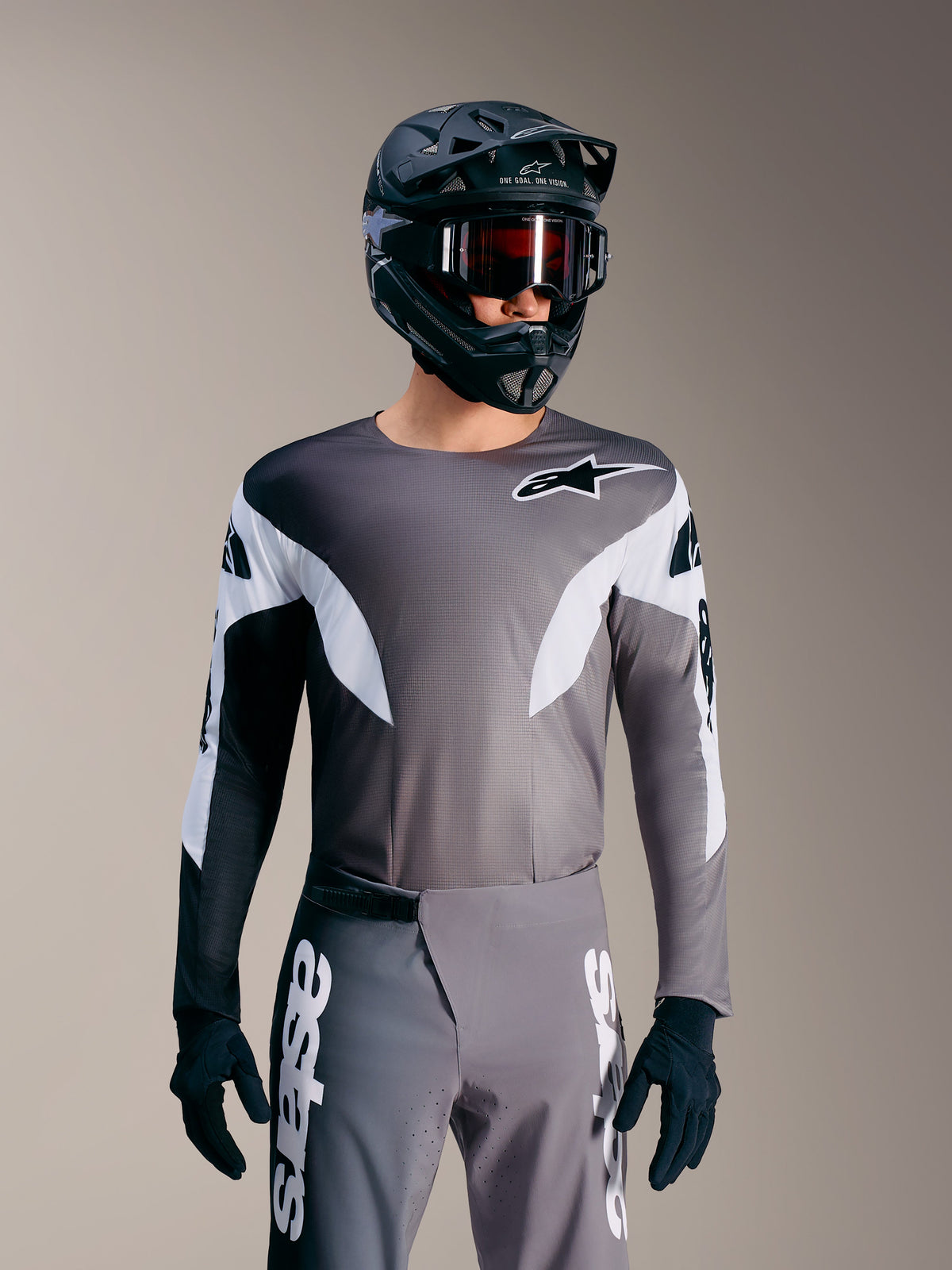
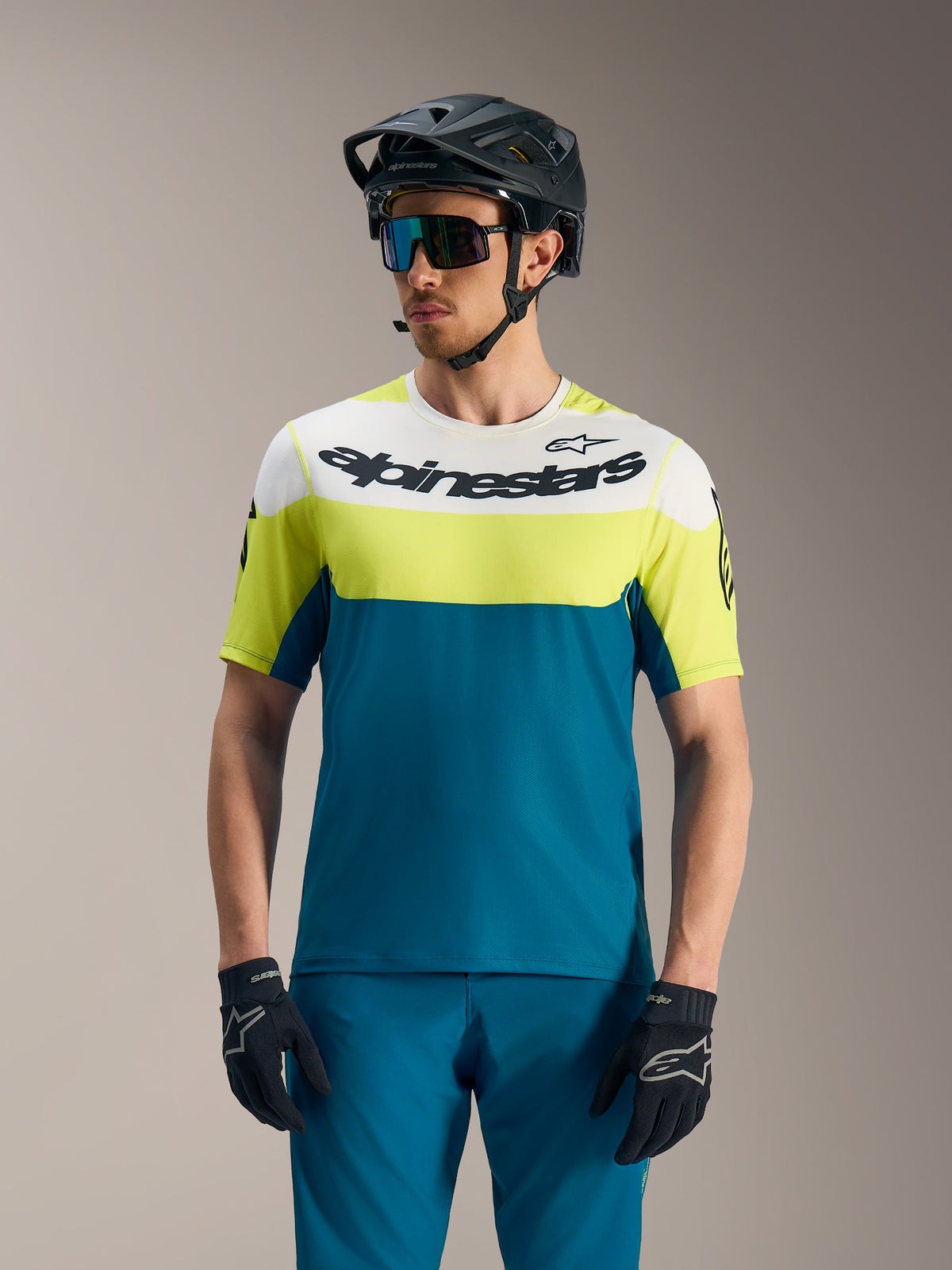
A-Supra Elite Jersey -
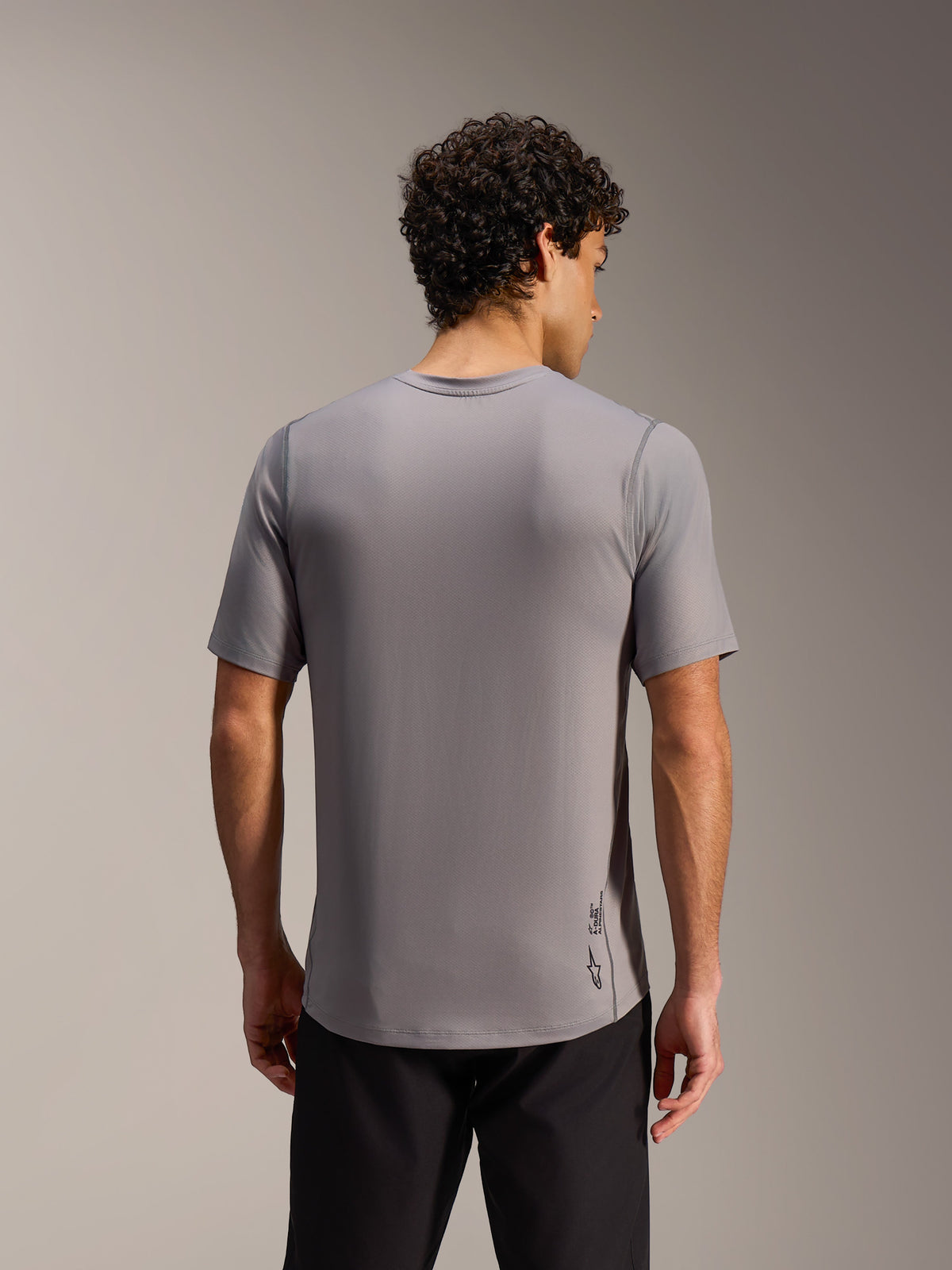
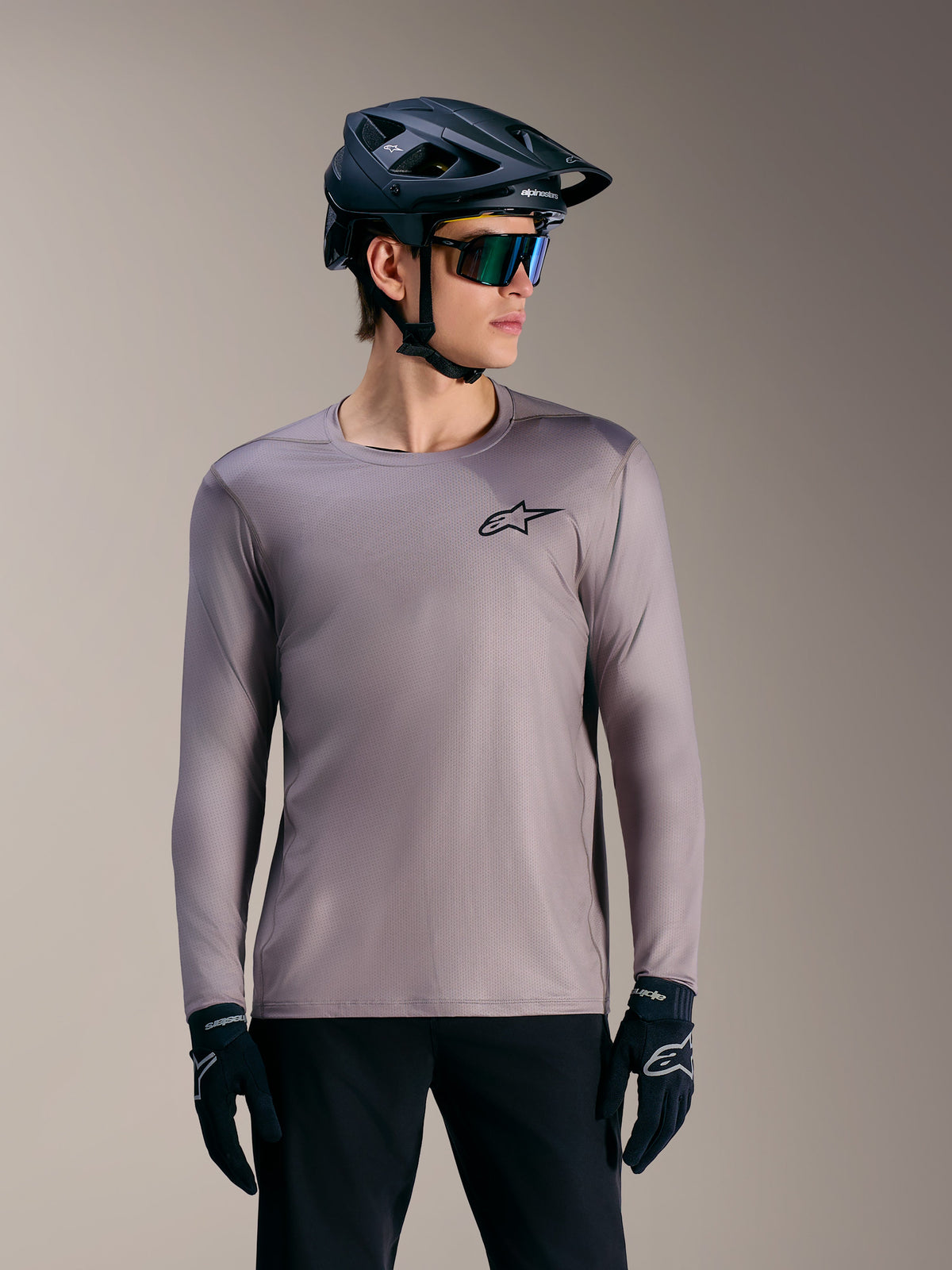
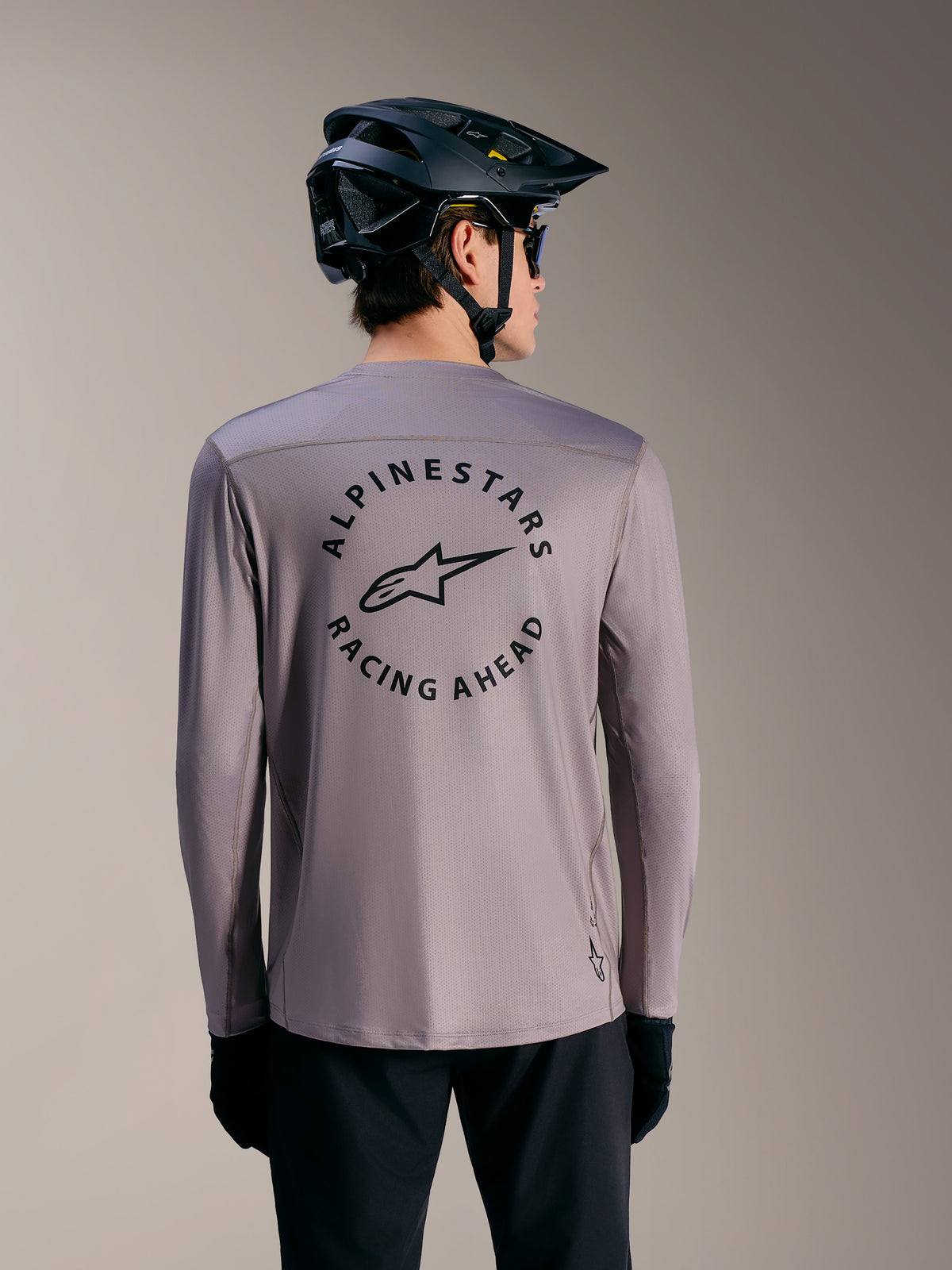
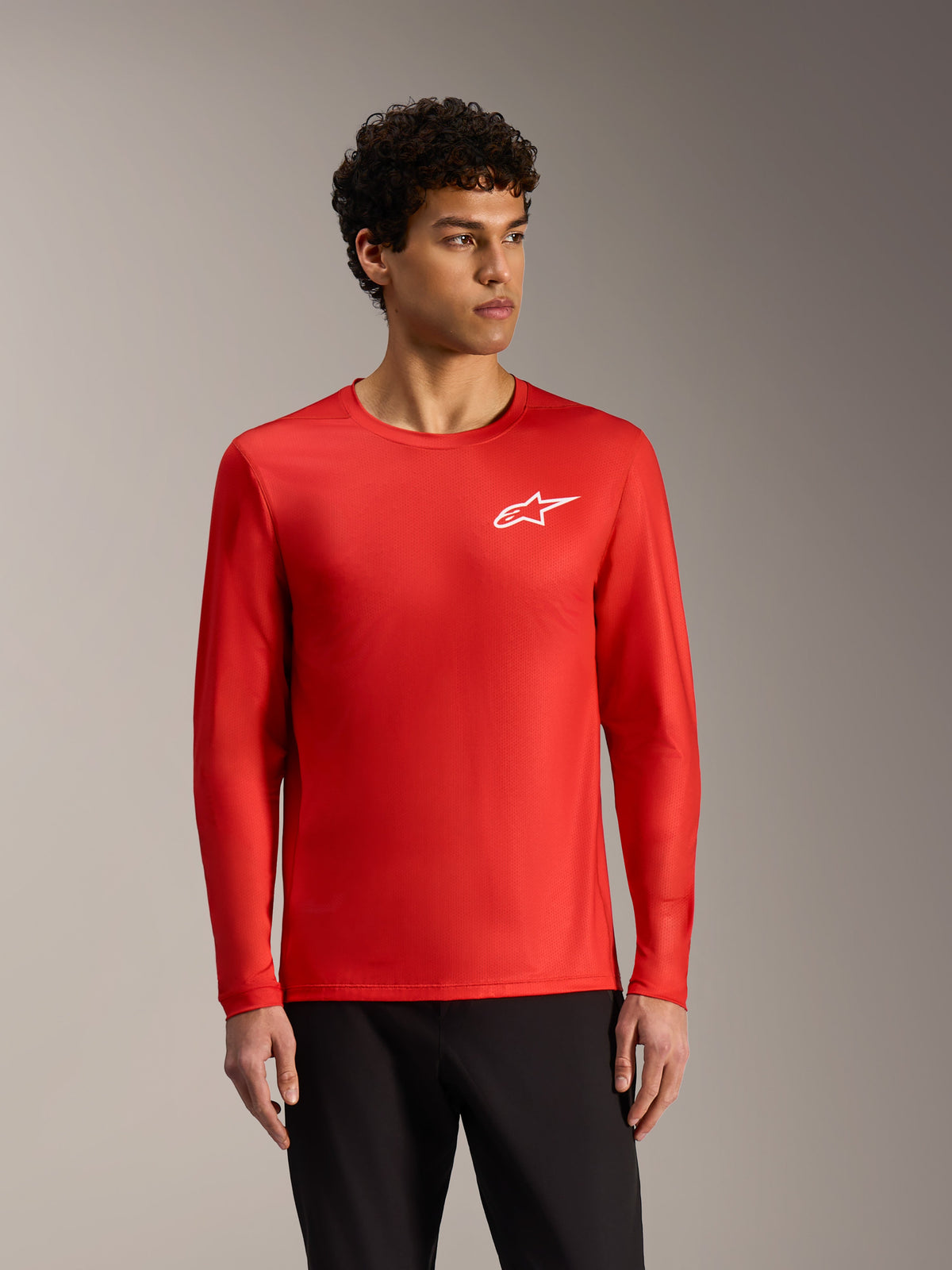
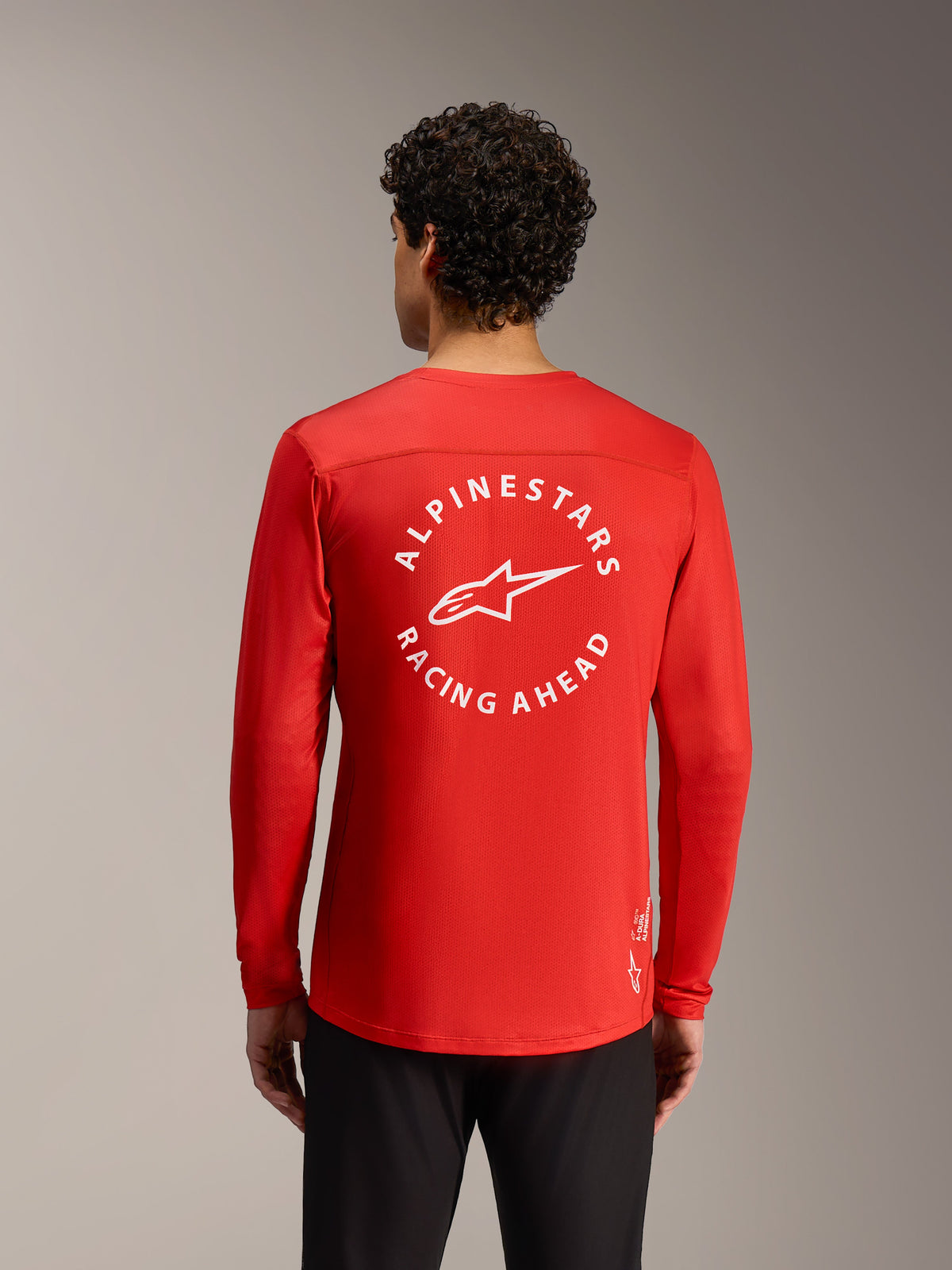
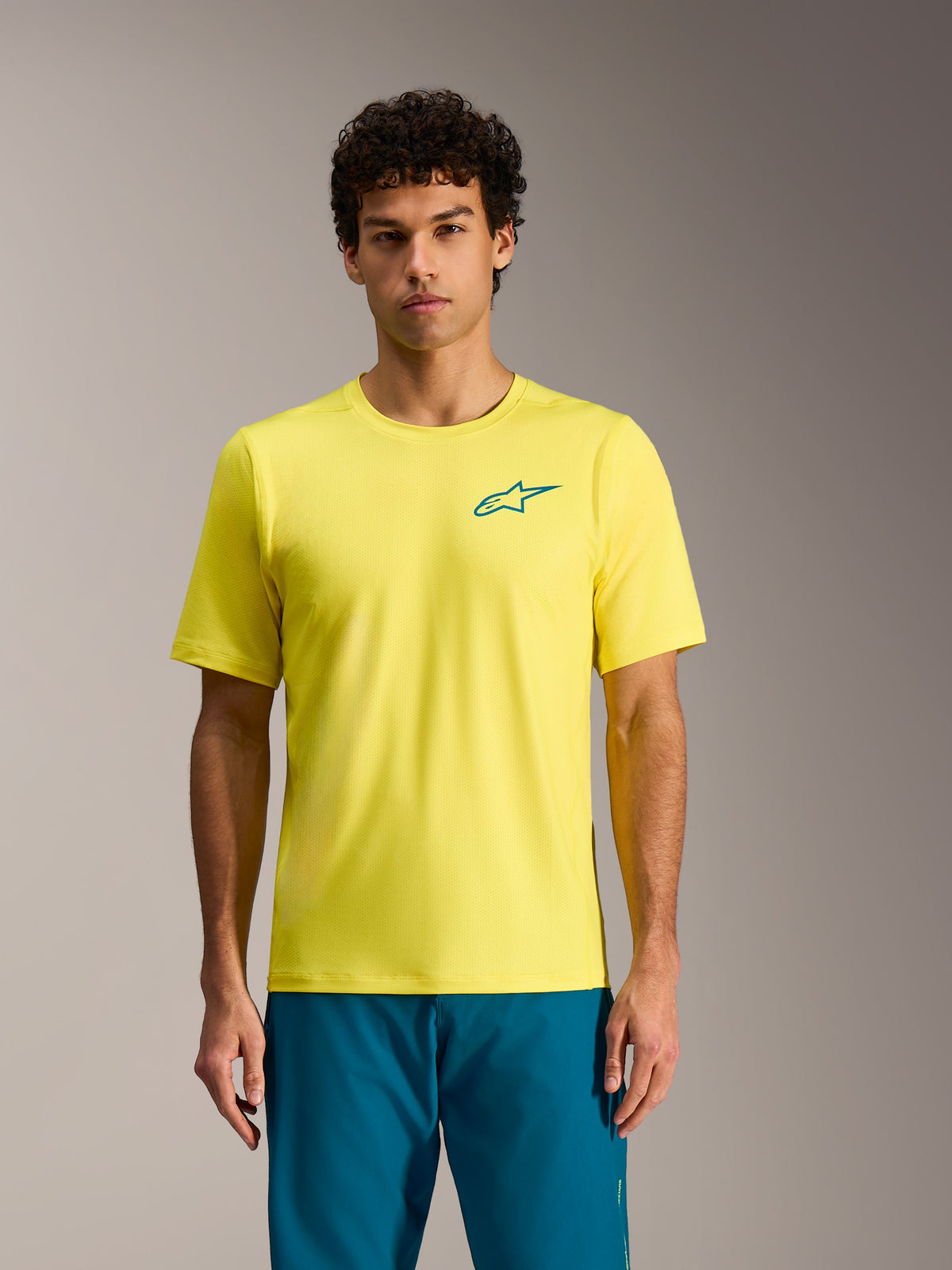
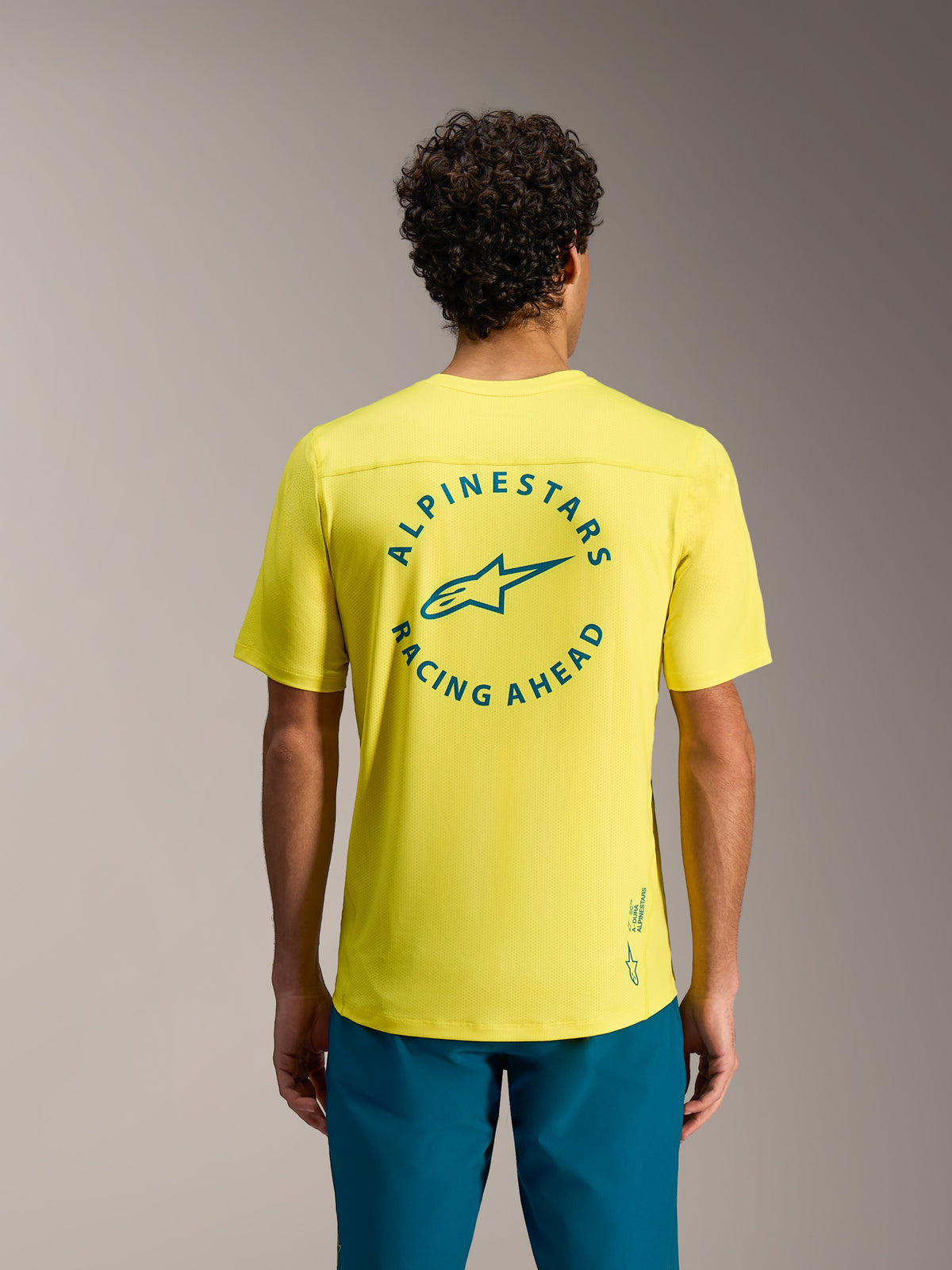
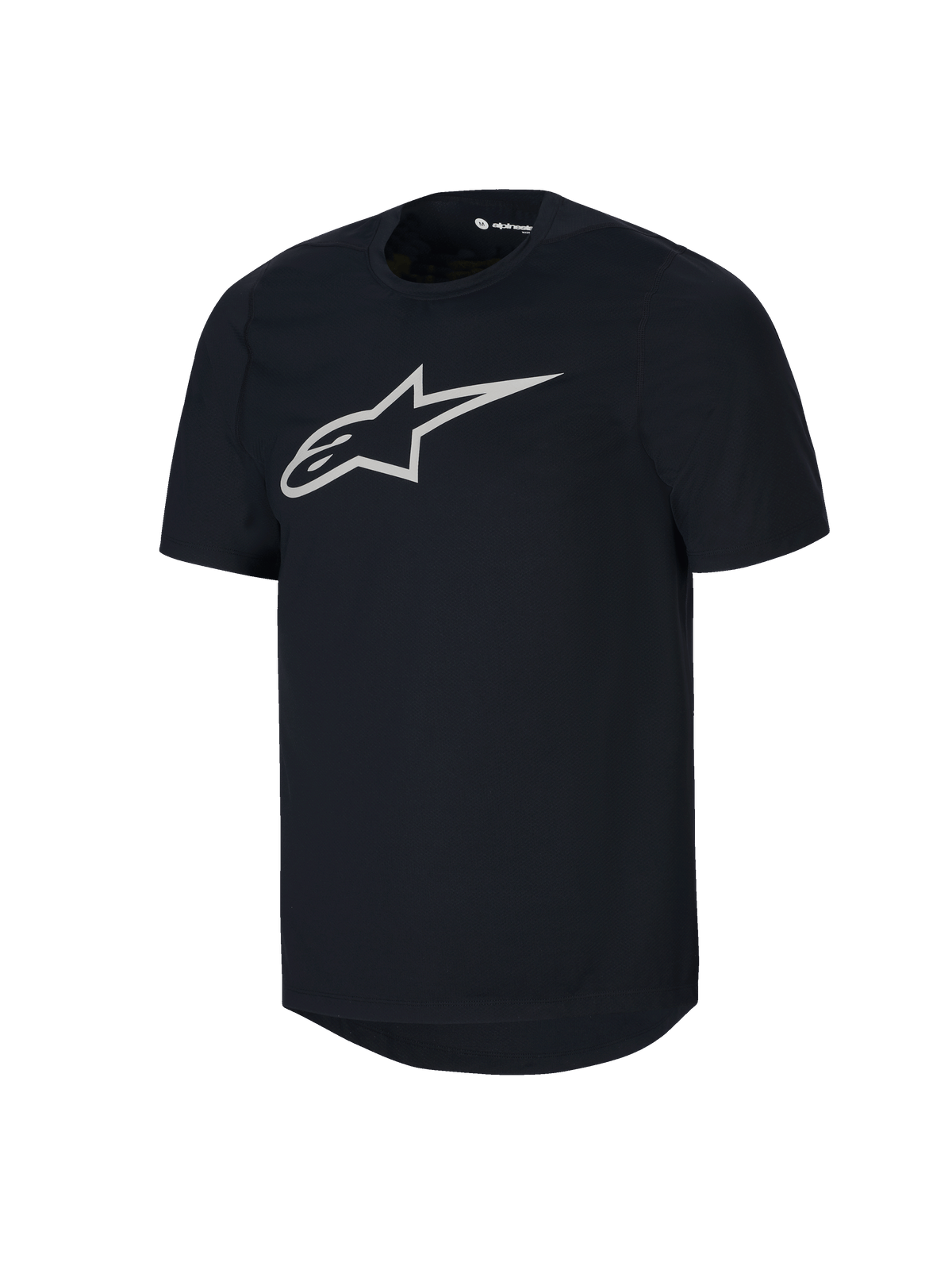
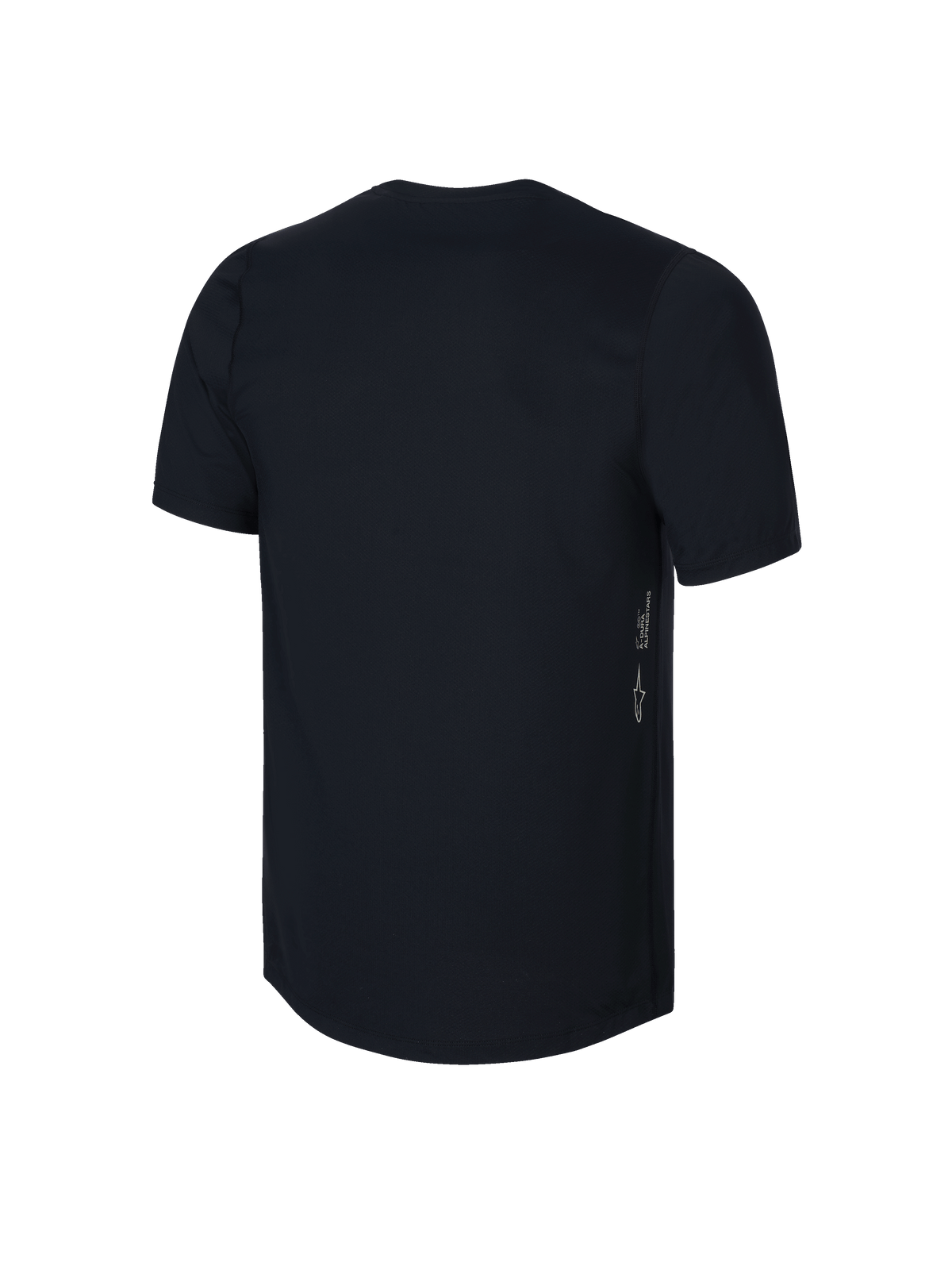
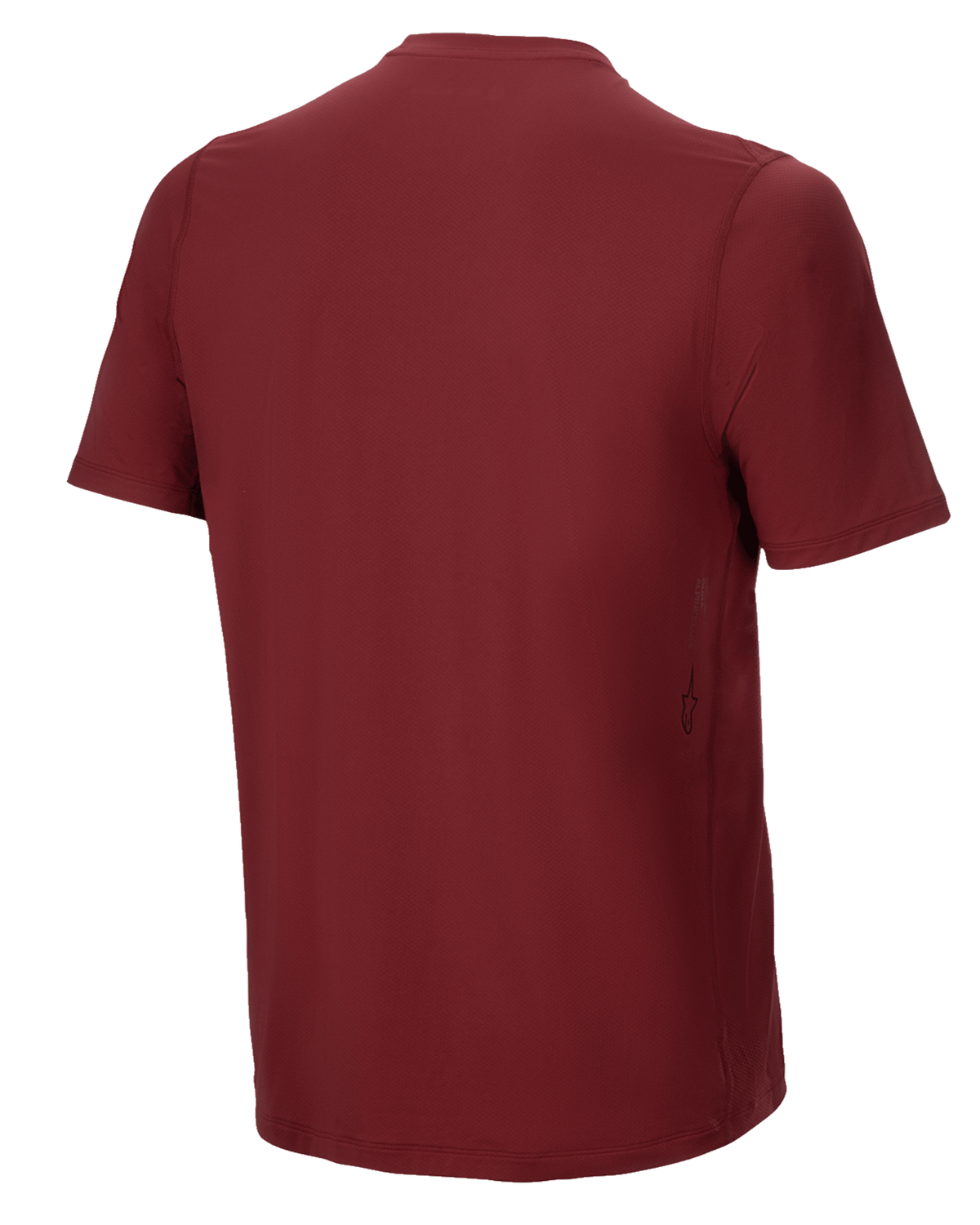
A-Dura Ride Jersey -
Youth A-Dura Astars Jersey 2.0 -
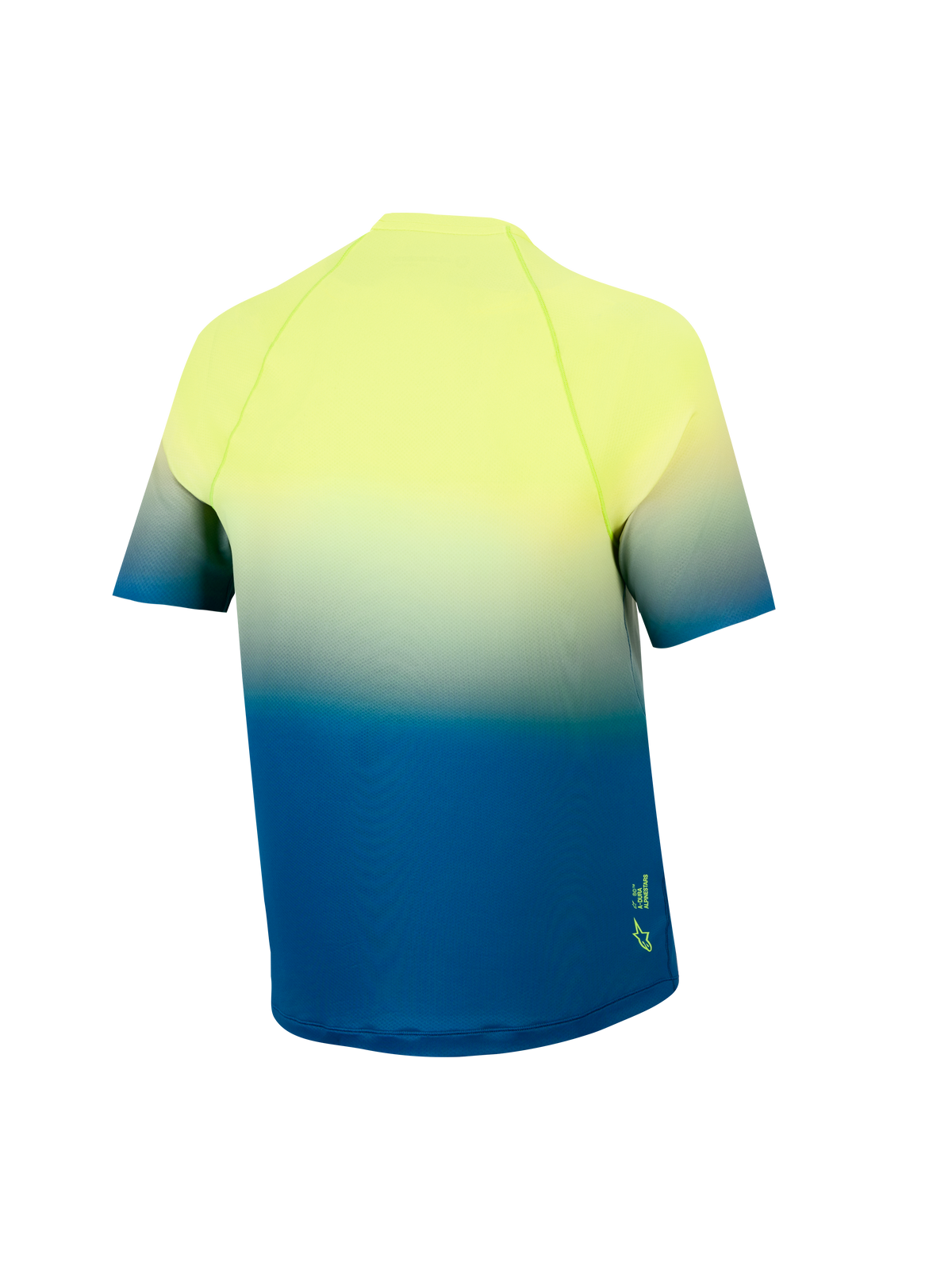
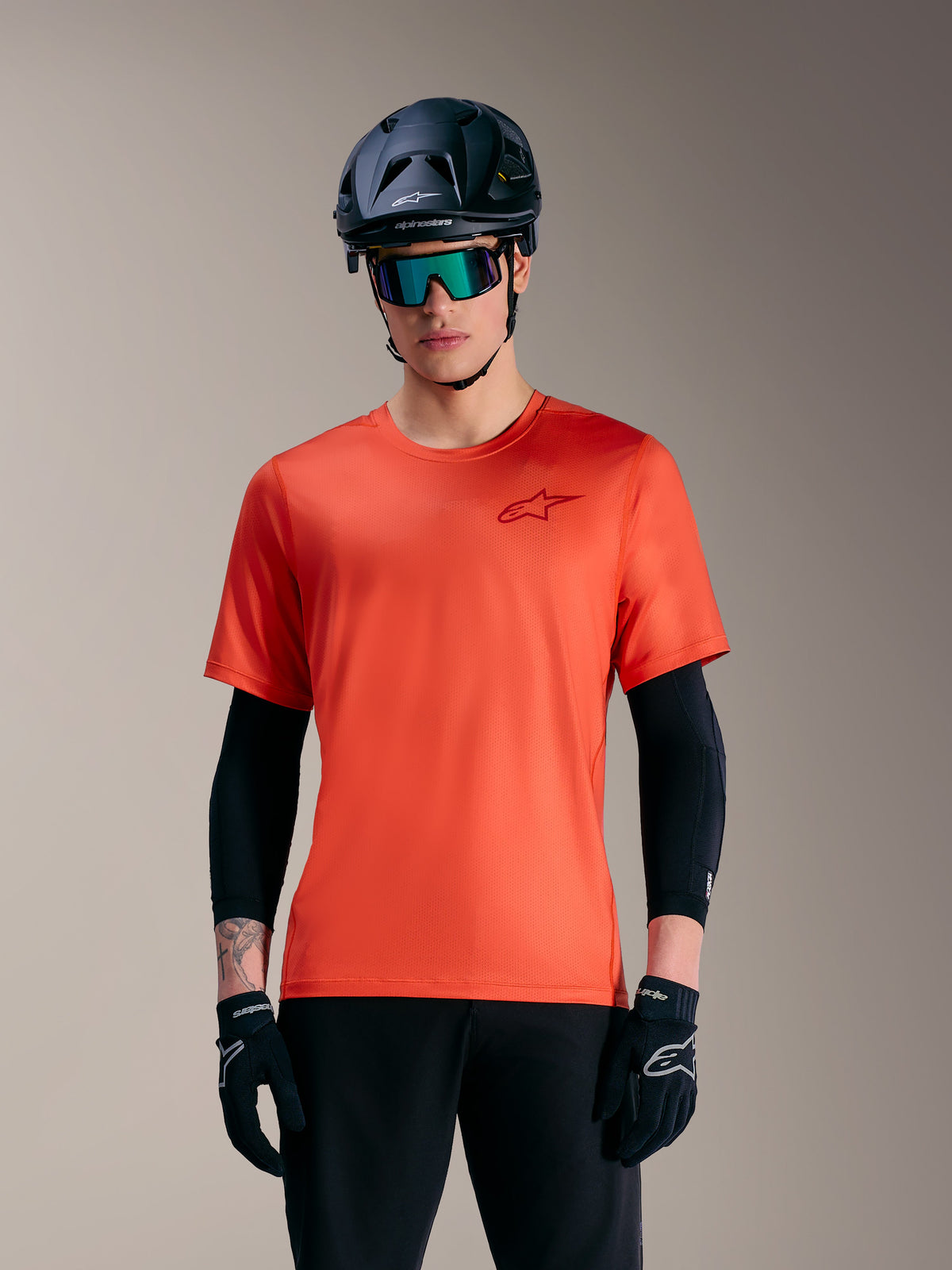
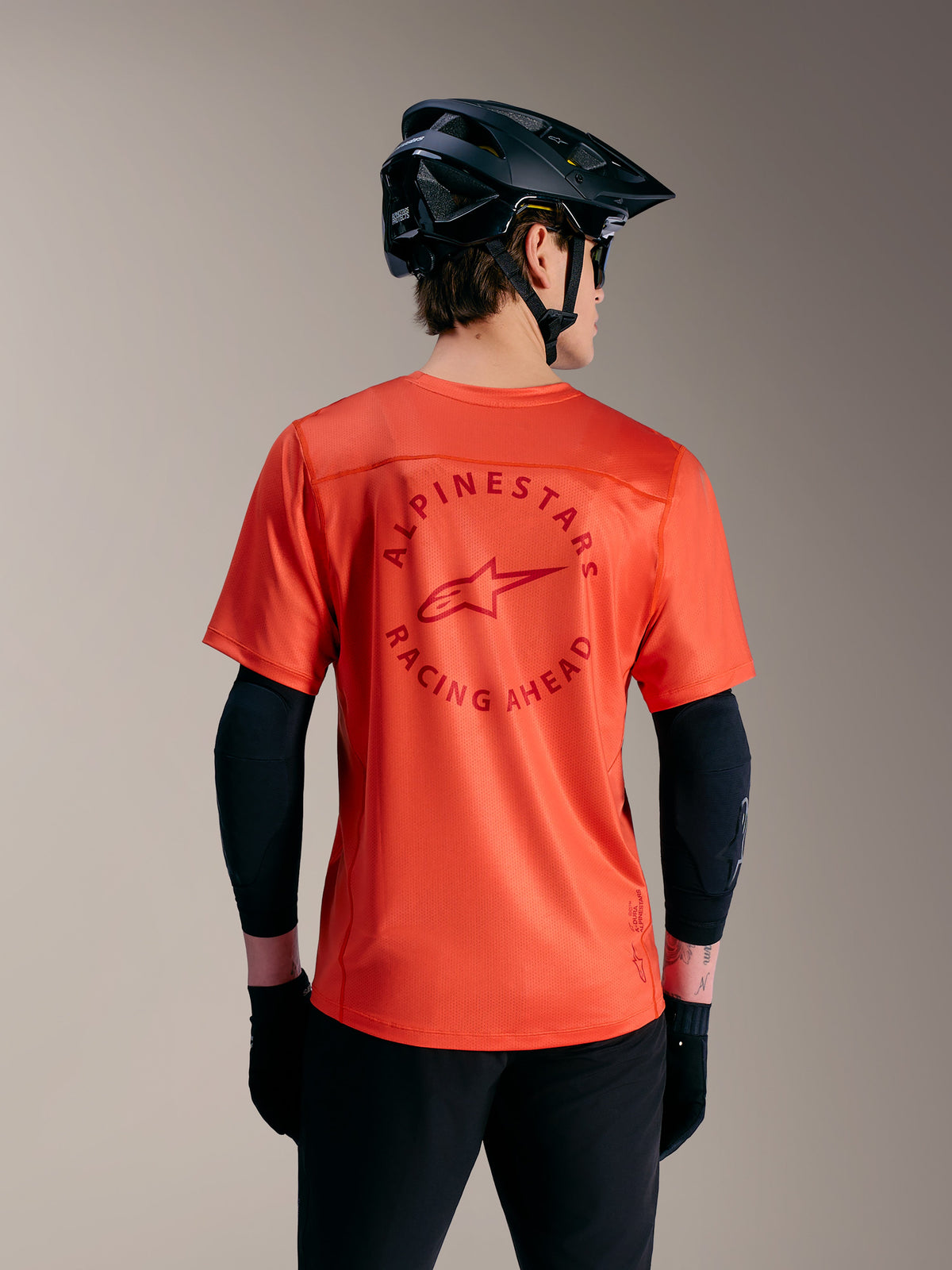
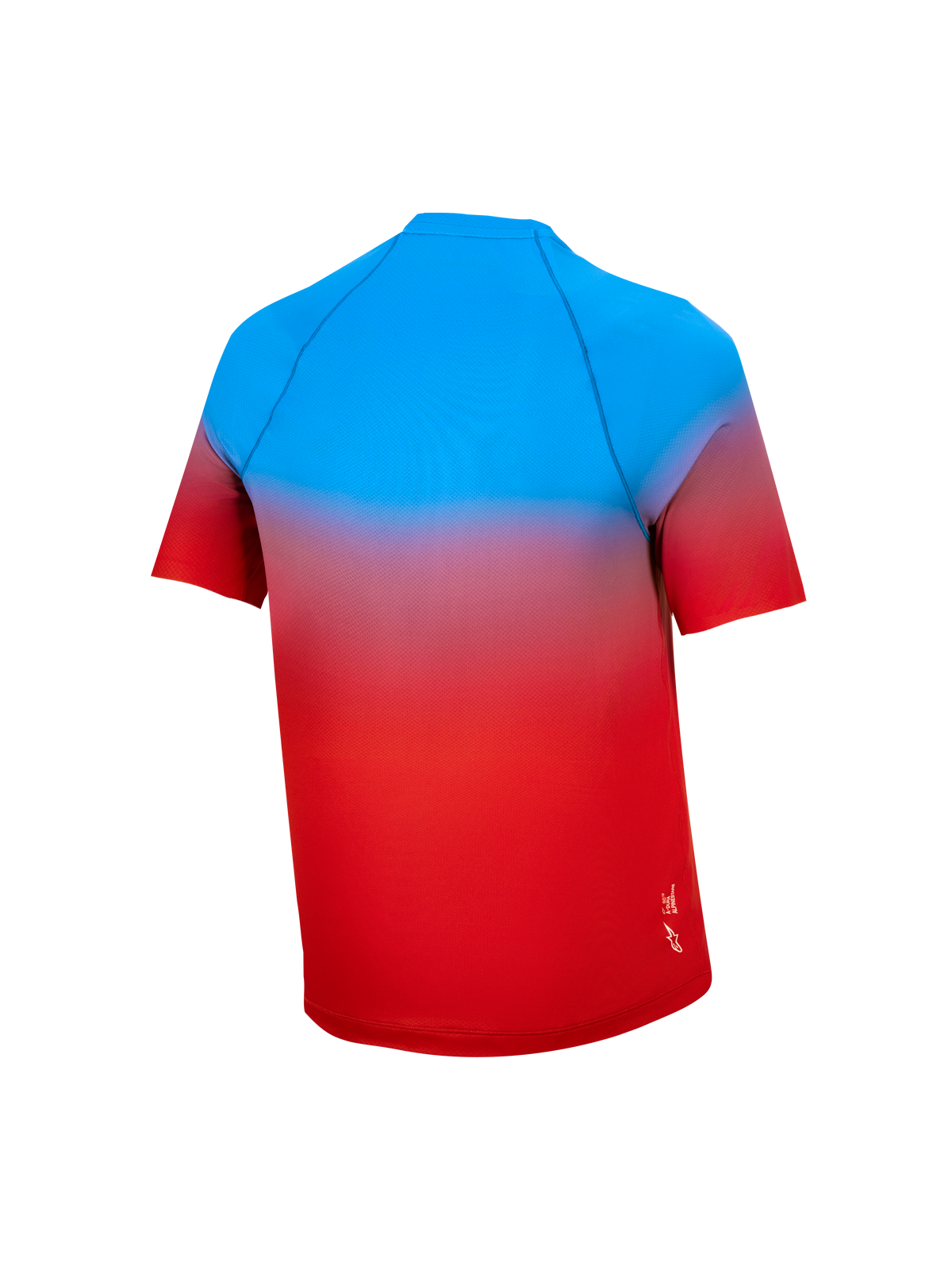
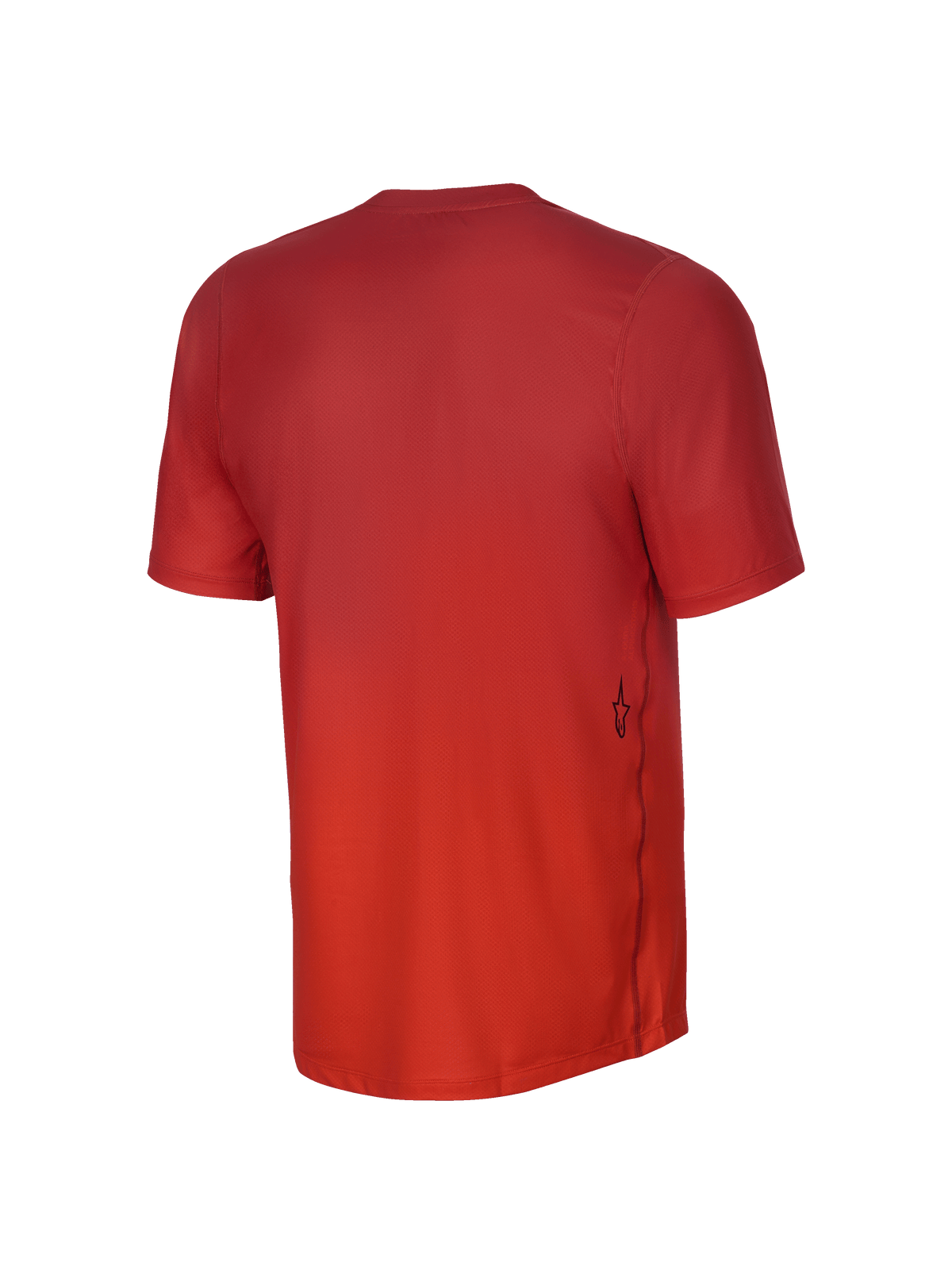
A-Dura Air Jersey -
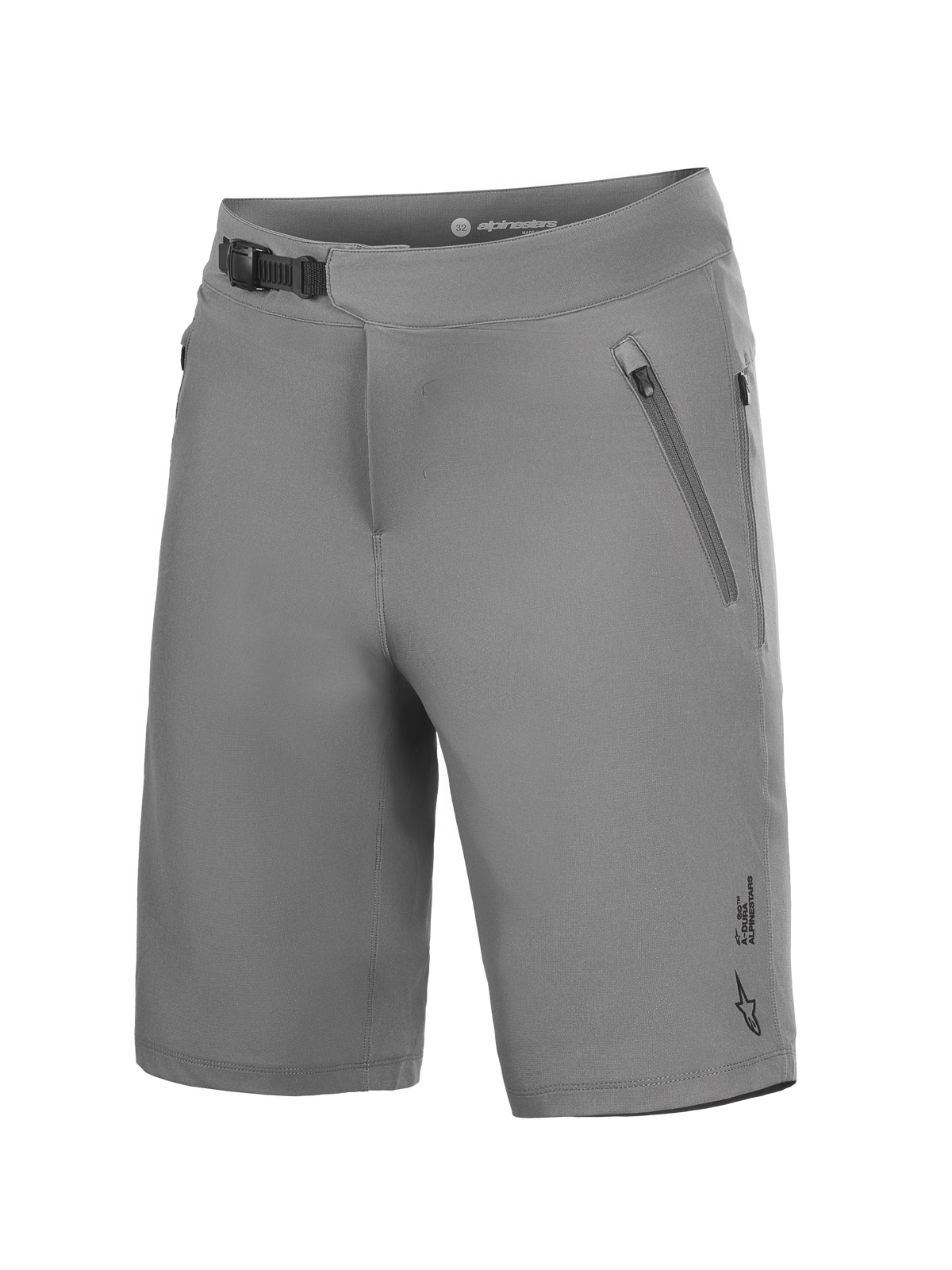
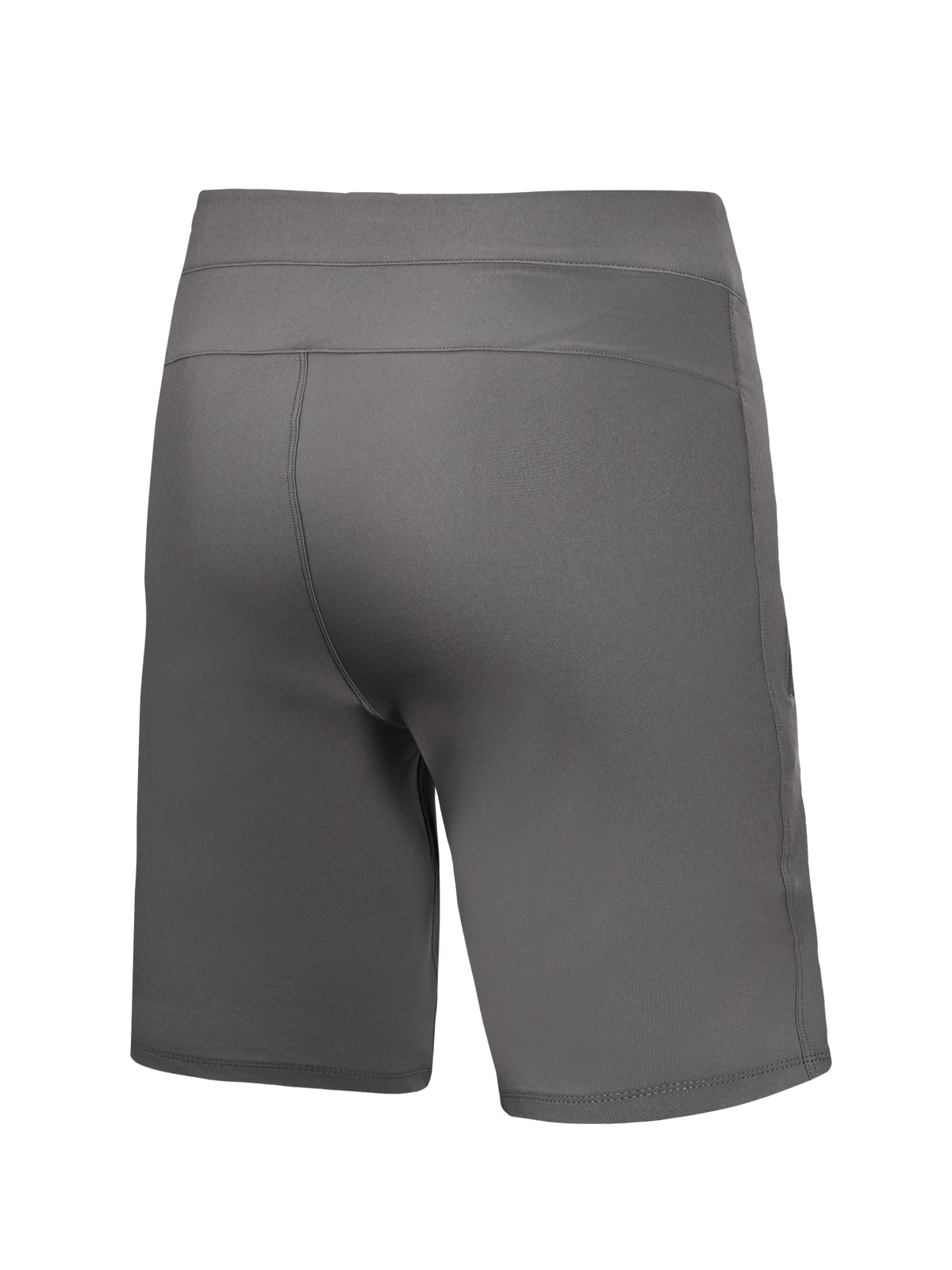
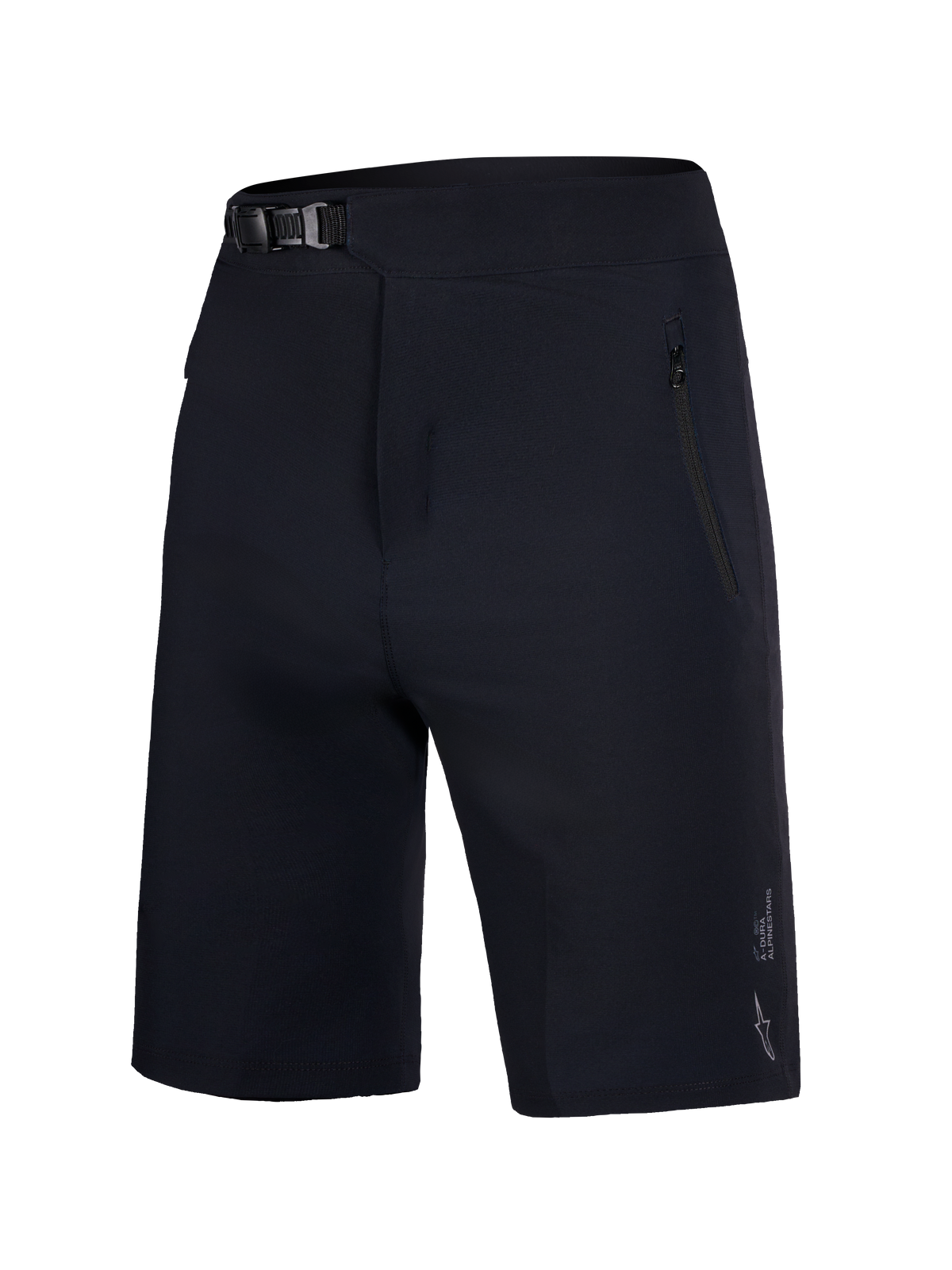
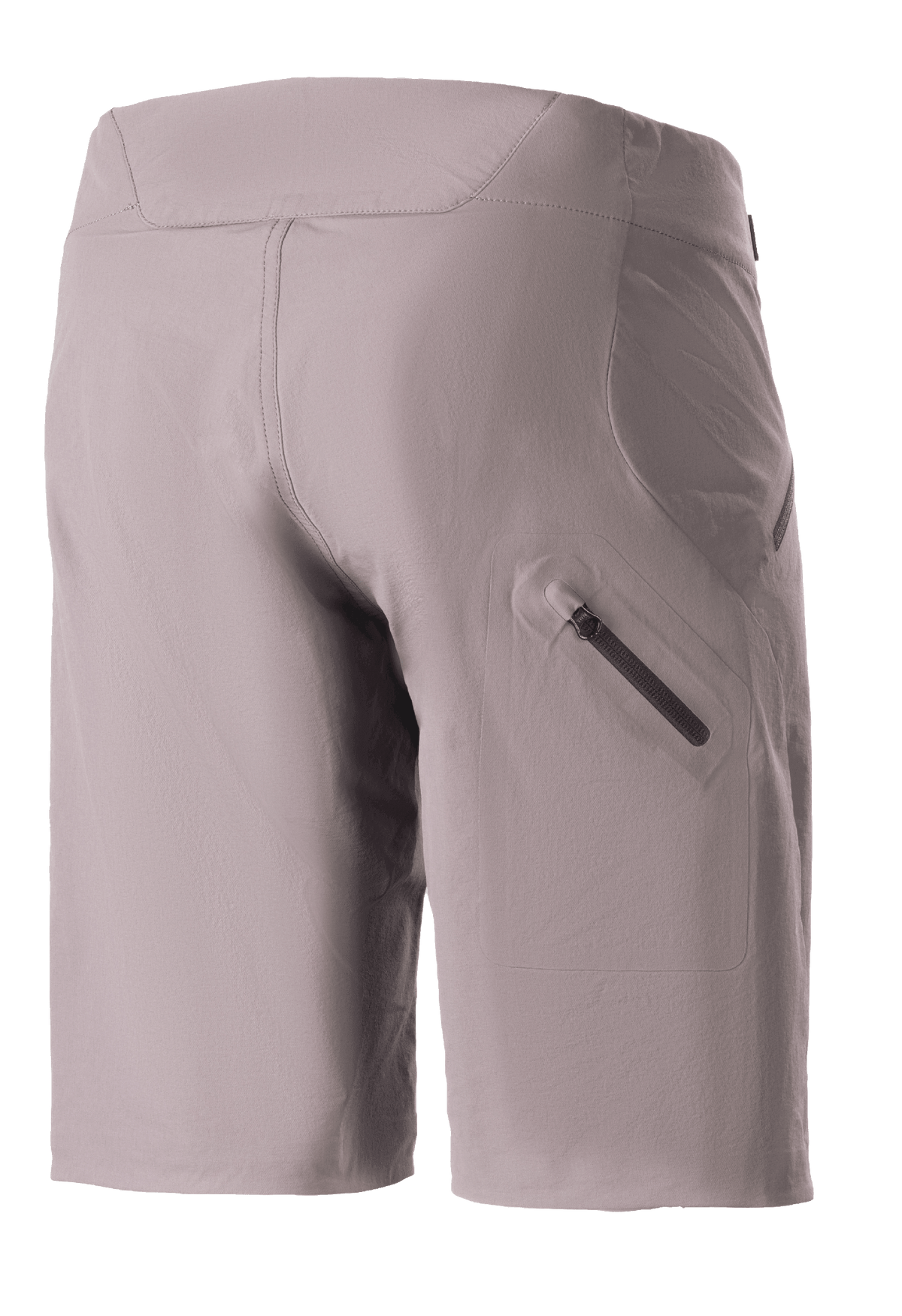
A-Dura Elite Flex Shorts -
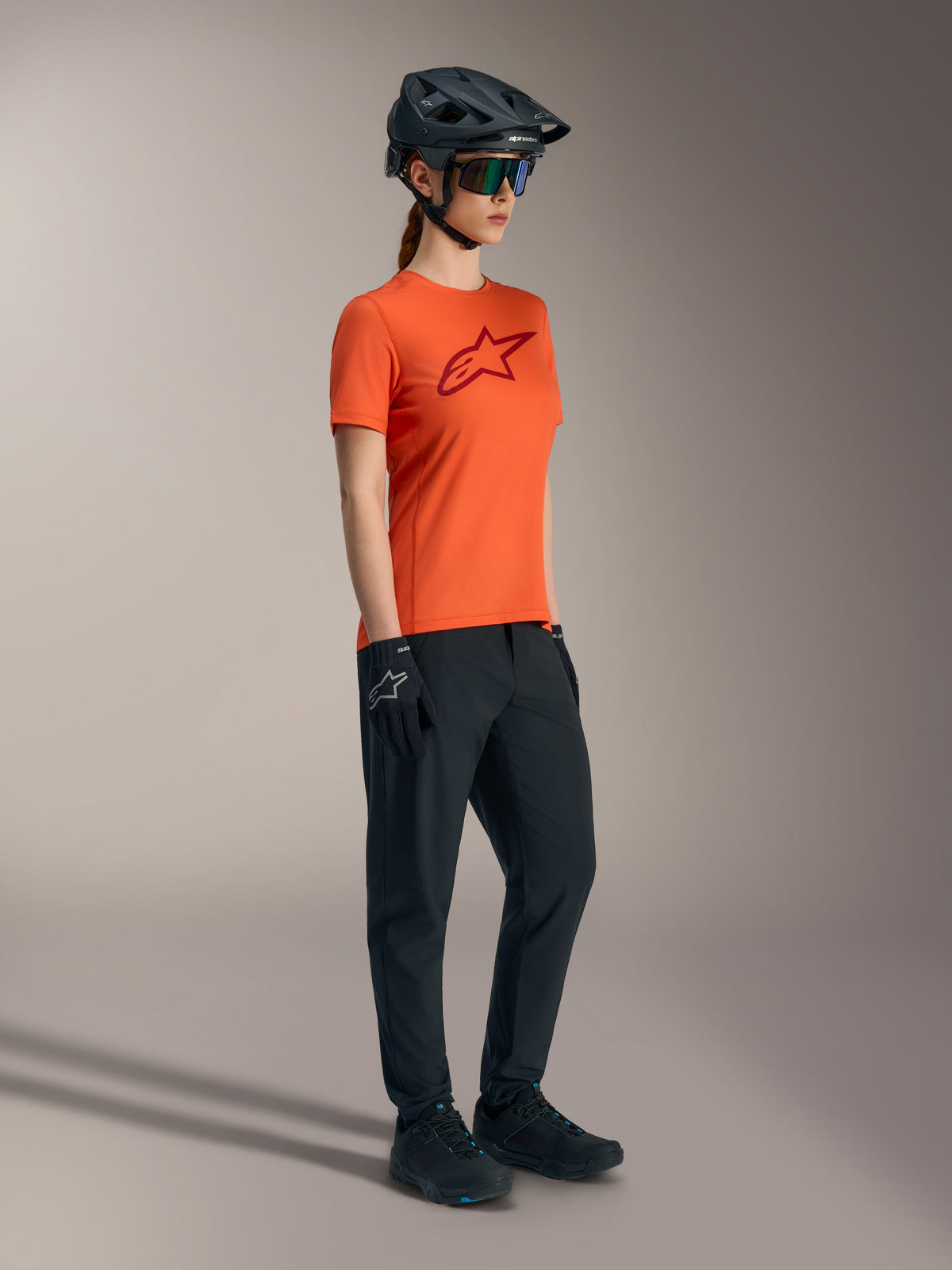
Stella A-Dura Ride Jersey -
A-Dura Air Jersey -
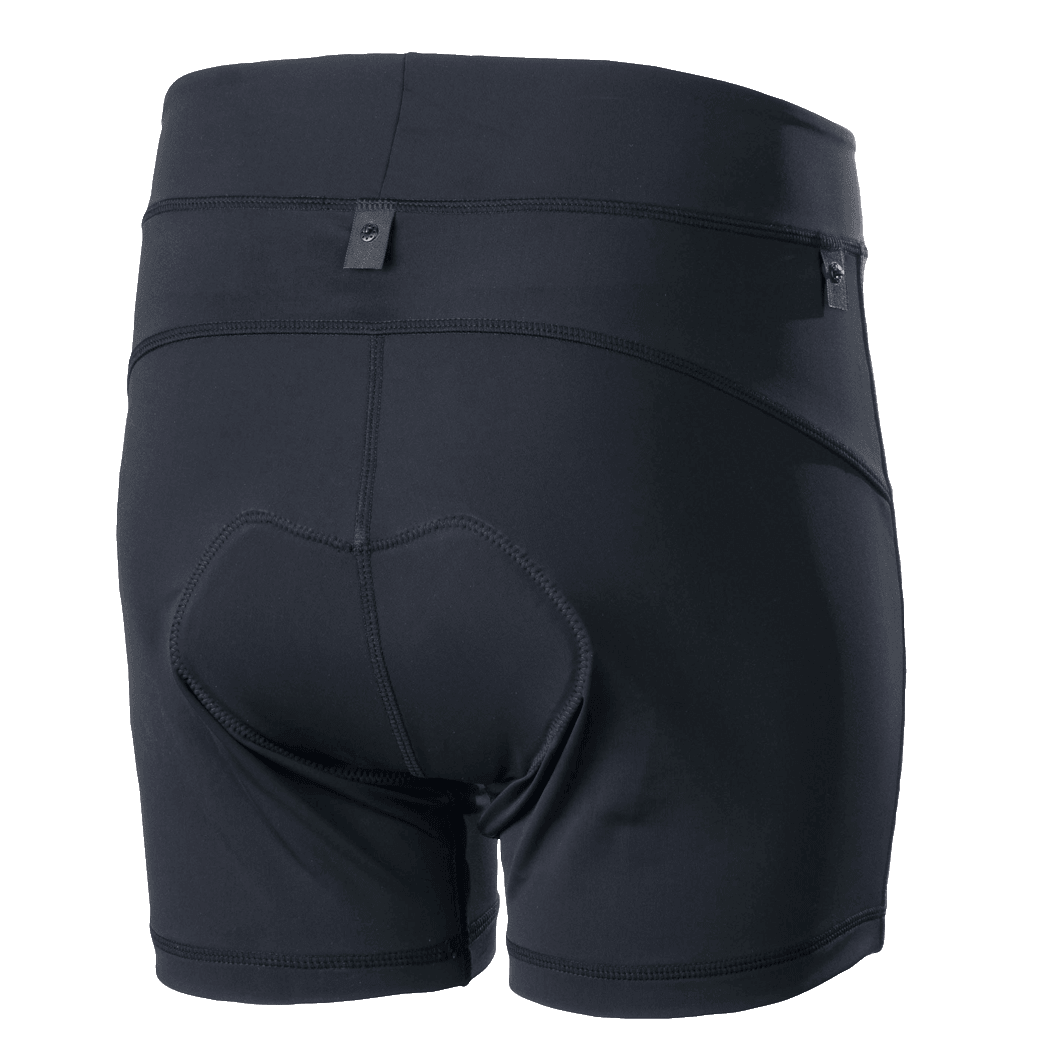
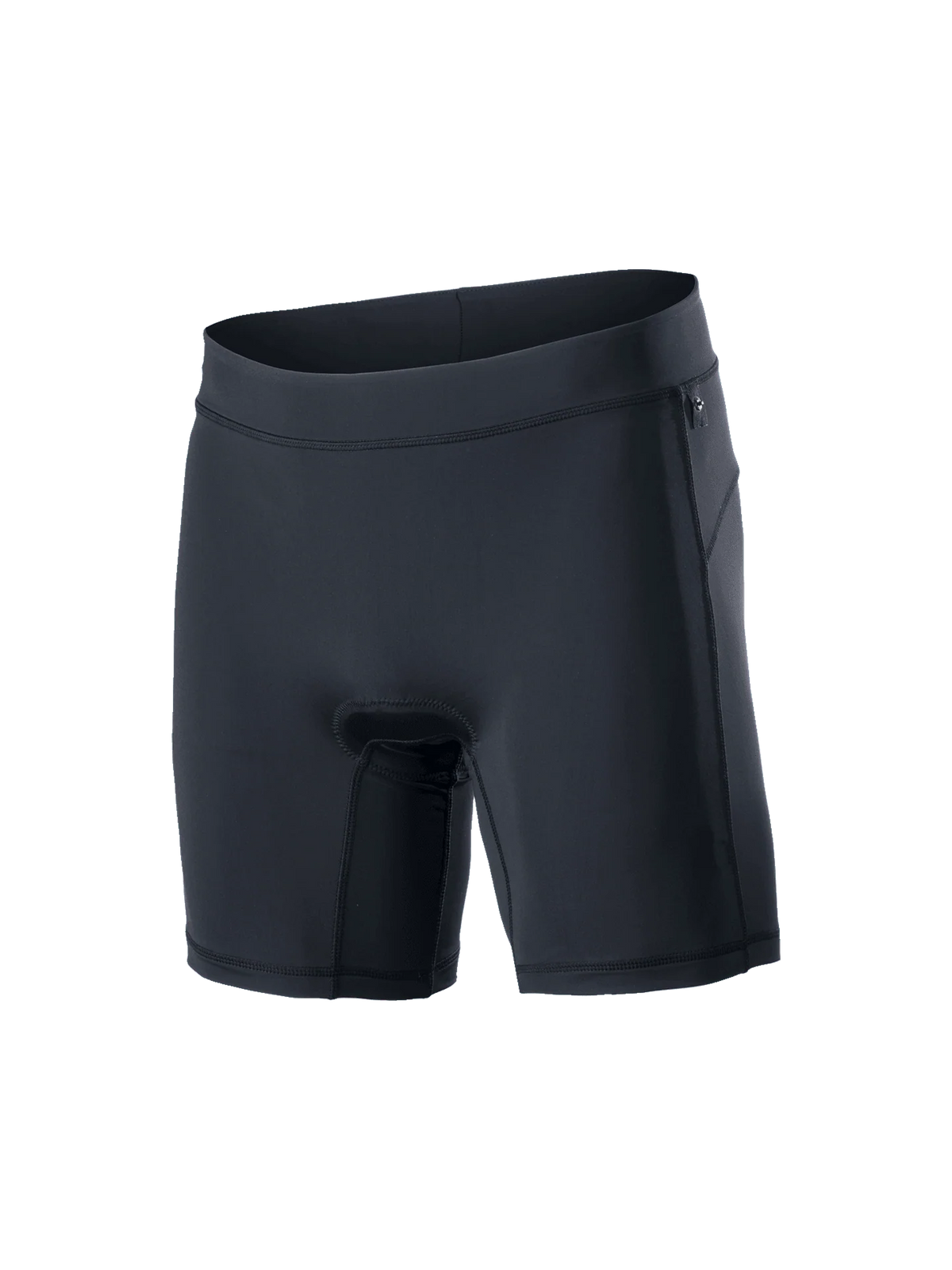
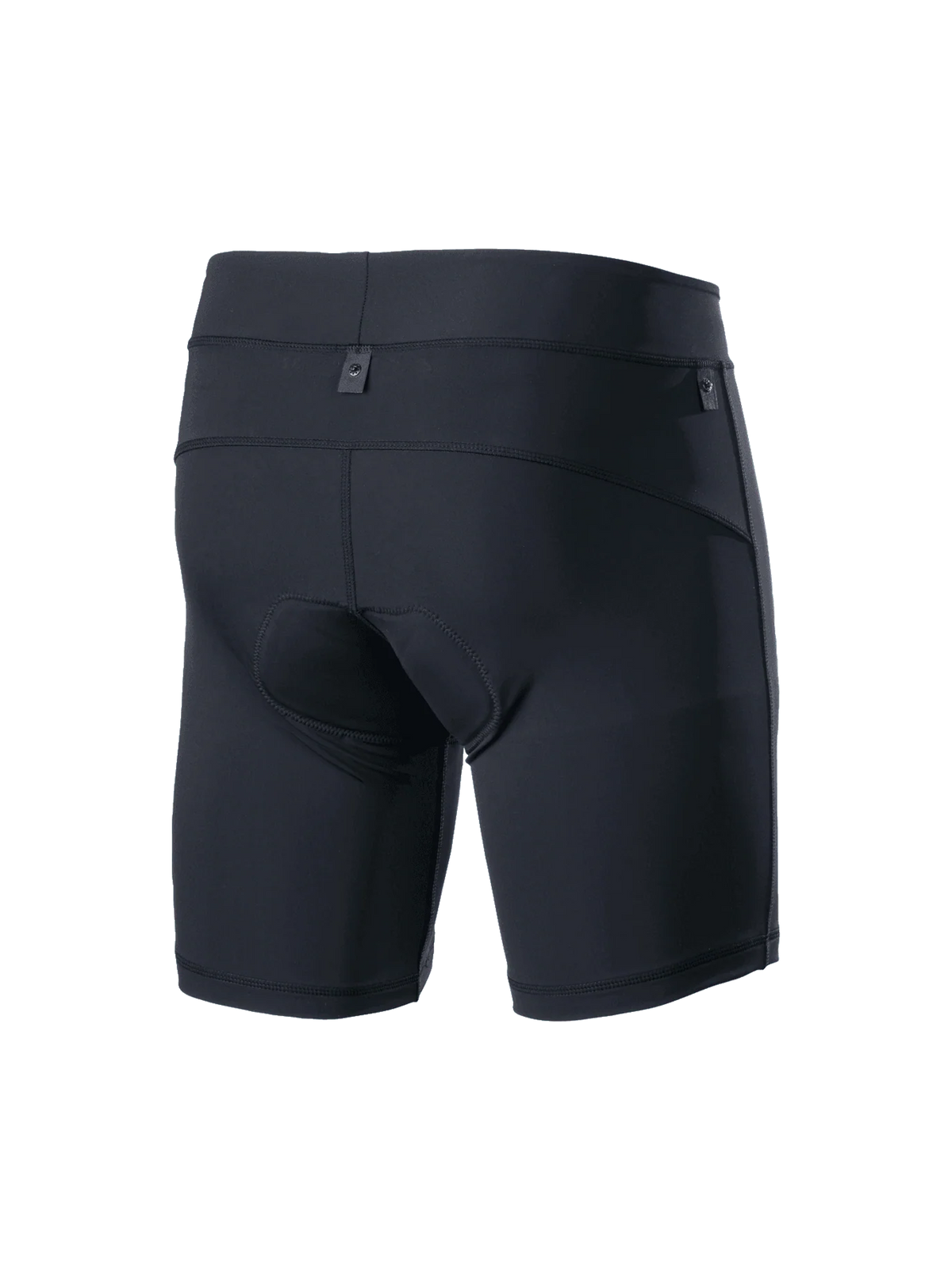
A-Dura Ride Shorts - Liner -
A-Dura Air Jersey -
A-Dura Ride Shorts - Liner -
A-Dura Ride Shorts - Liner -
A-Dura Air Jersey -
A-Dura Air Jersey -
A-Dura Race Jersey -
Youth A-Dura Astars Jersey 2.0 -
Youth A-Dura Ride Shorts -
A-Dura Ride Shorts - Liner -
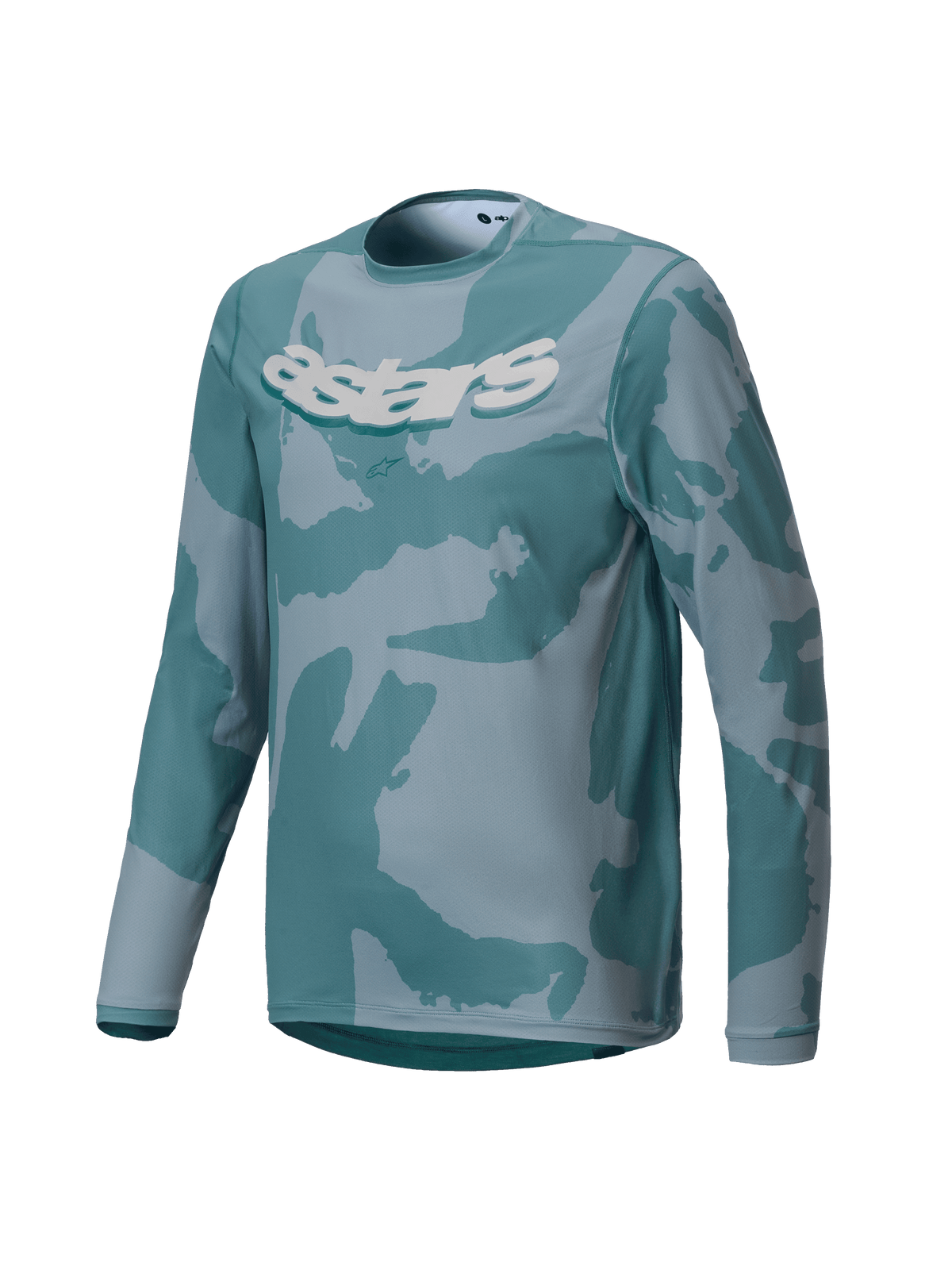
Youth A-Dura Hollow Camo Jersey -
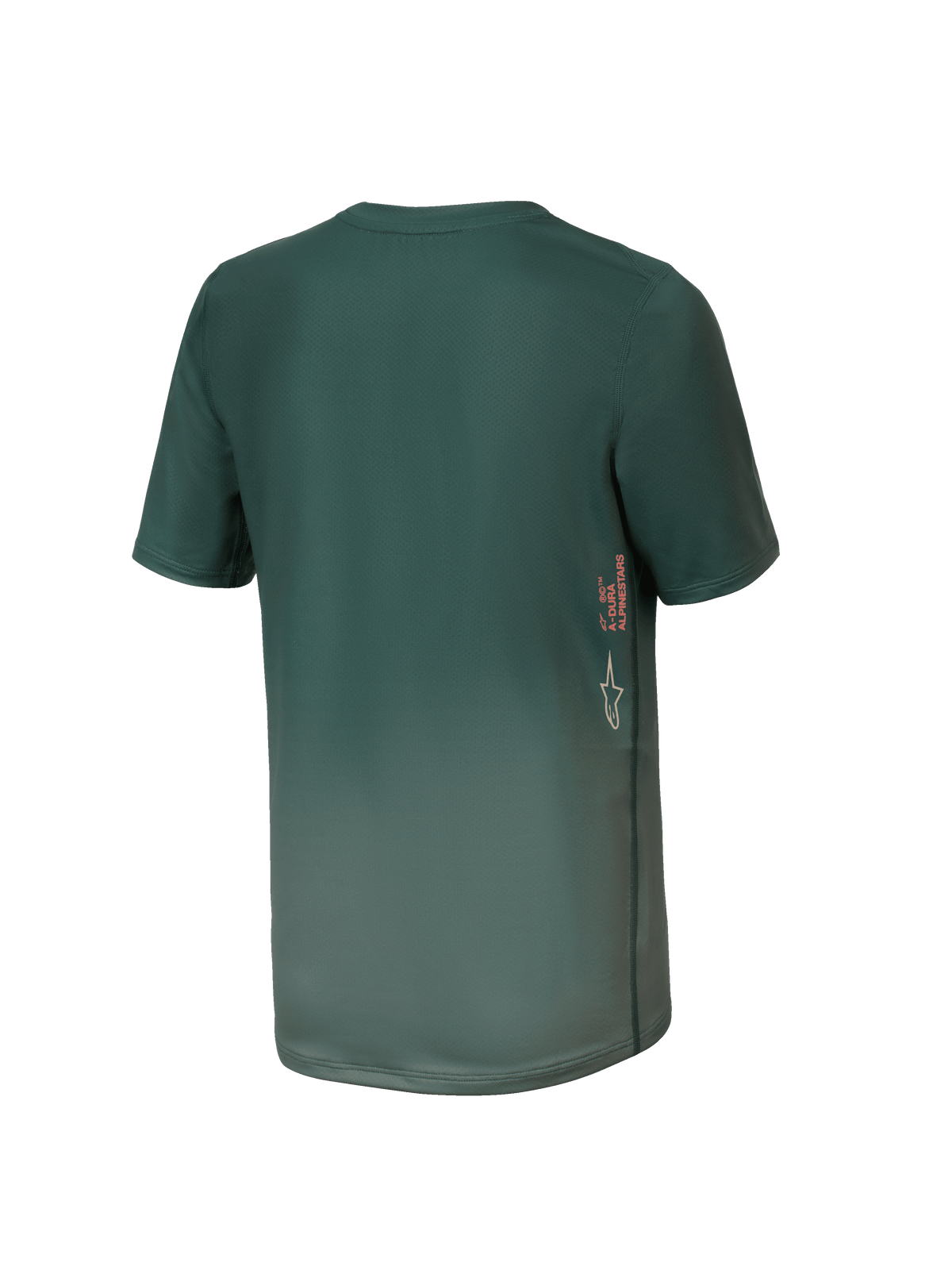
Youth A-Dura Rise Jersey -
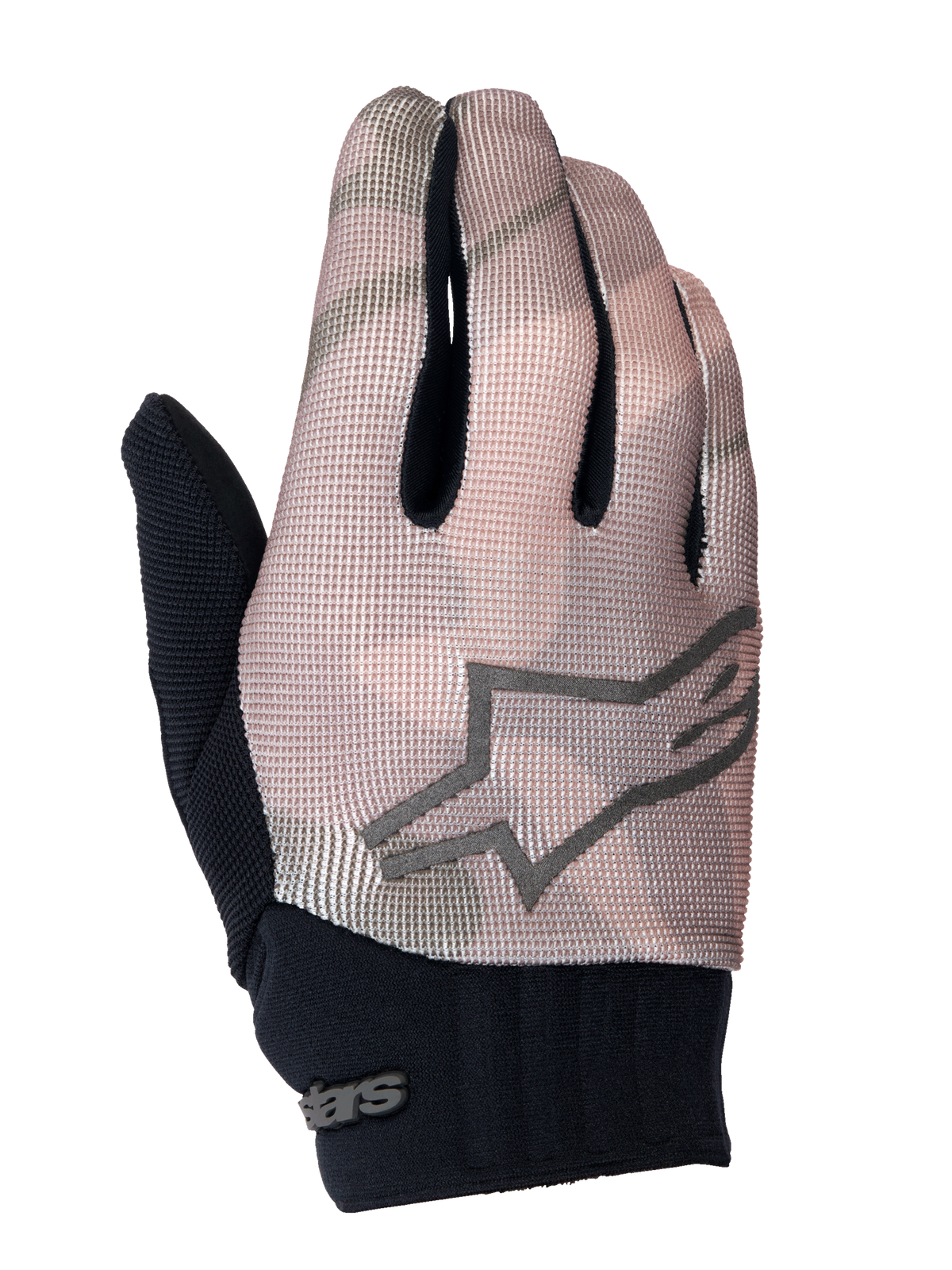
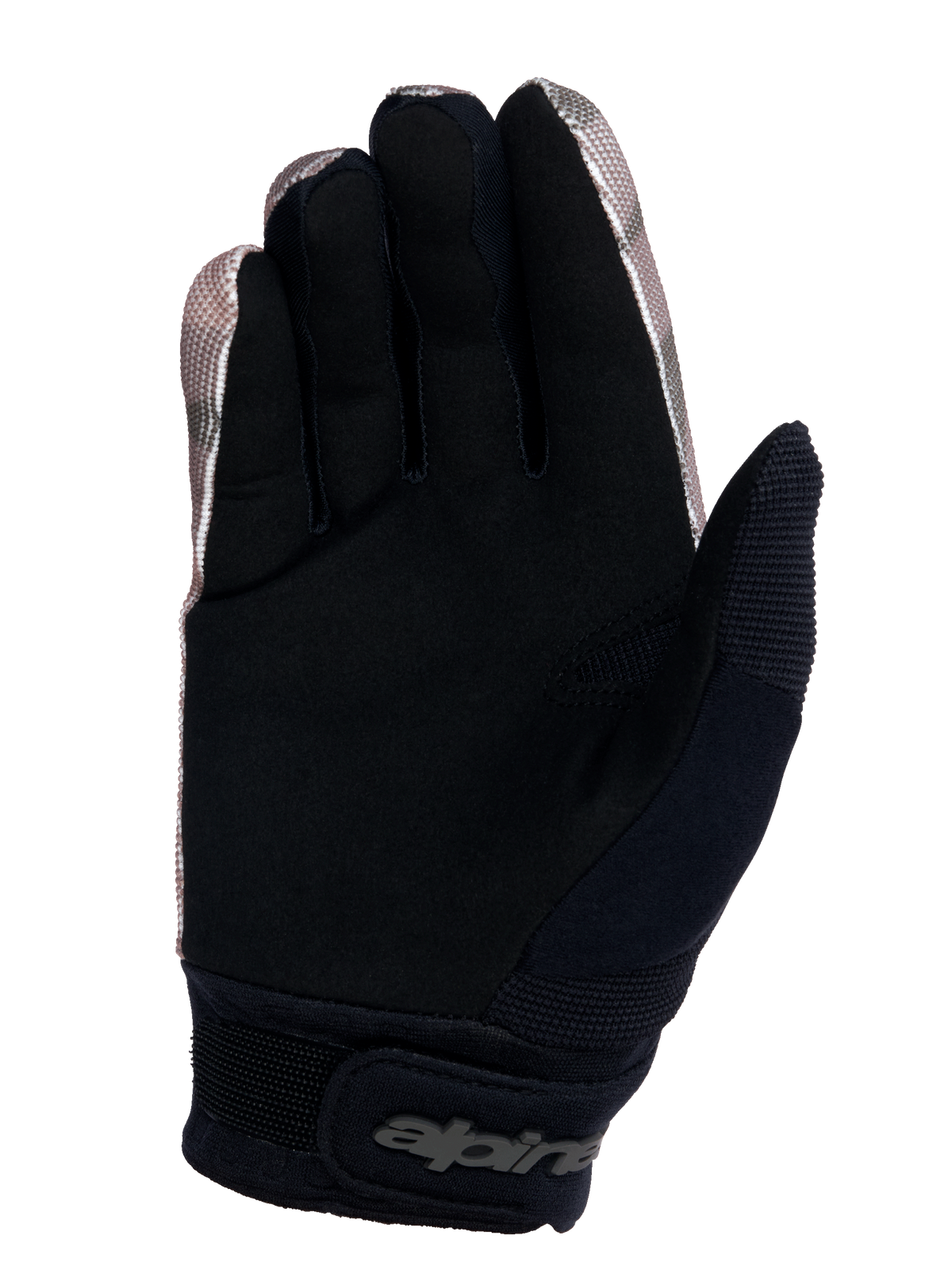
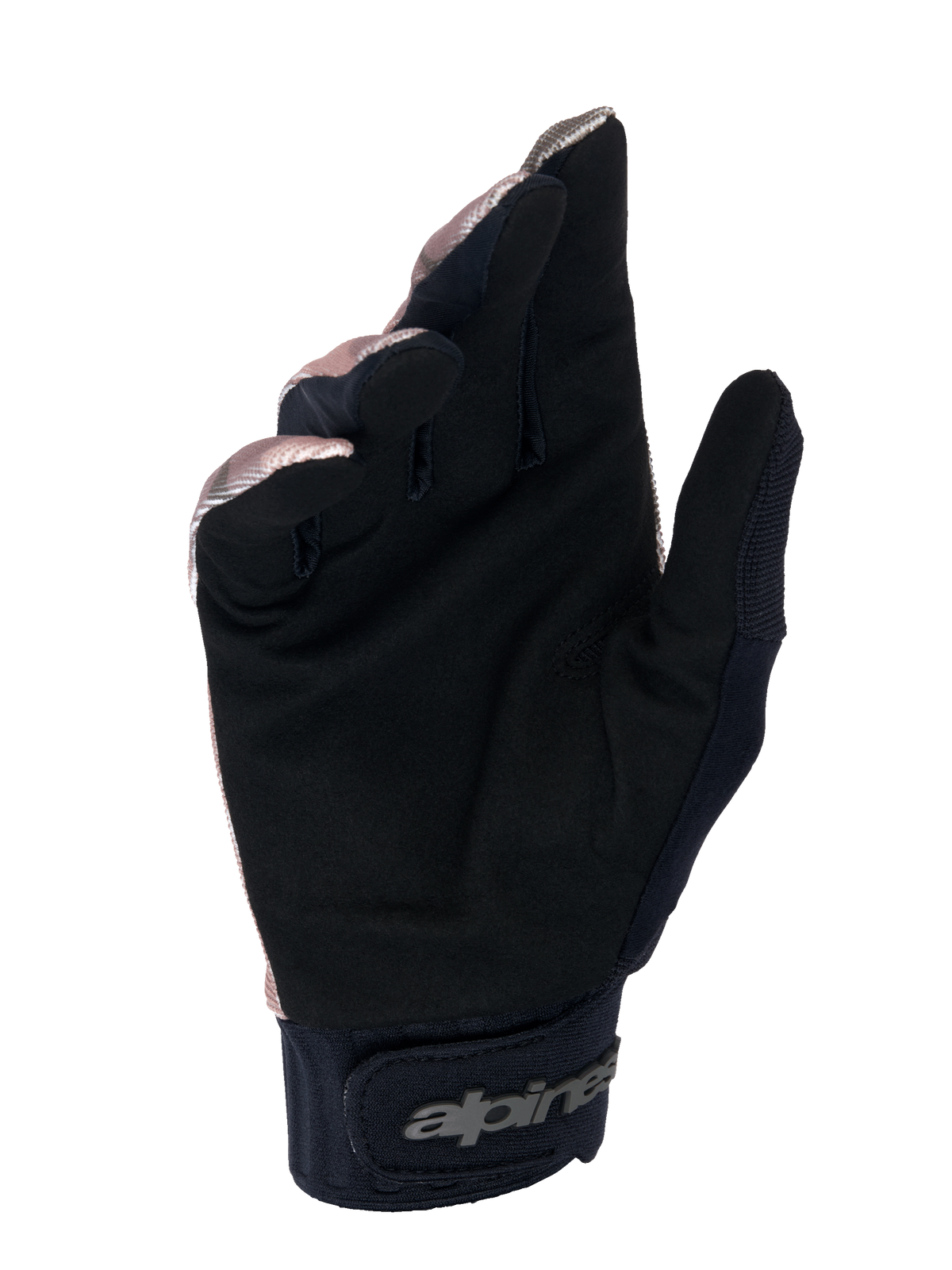
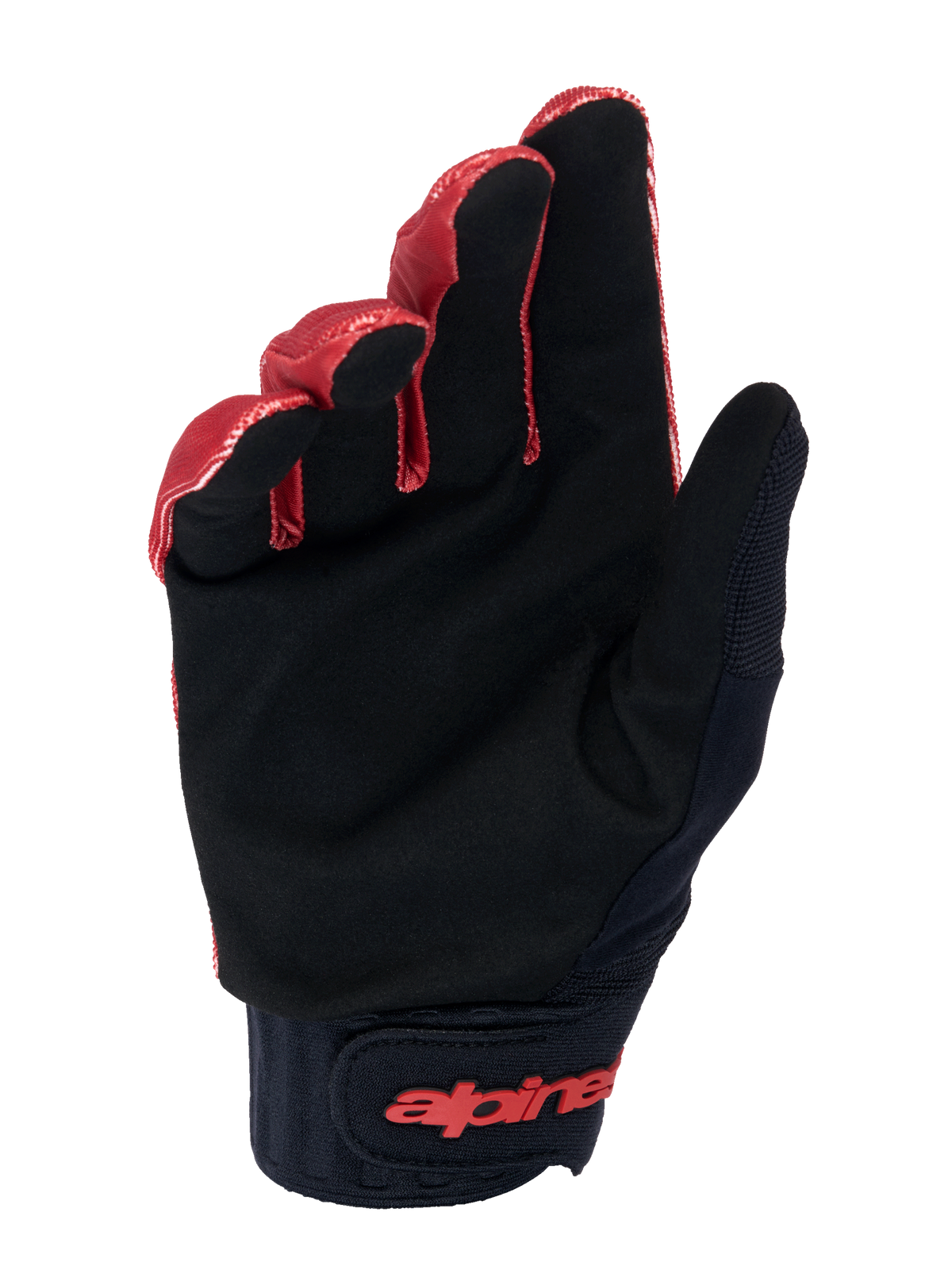
A-Dura Gloves -
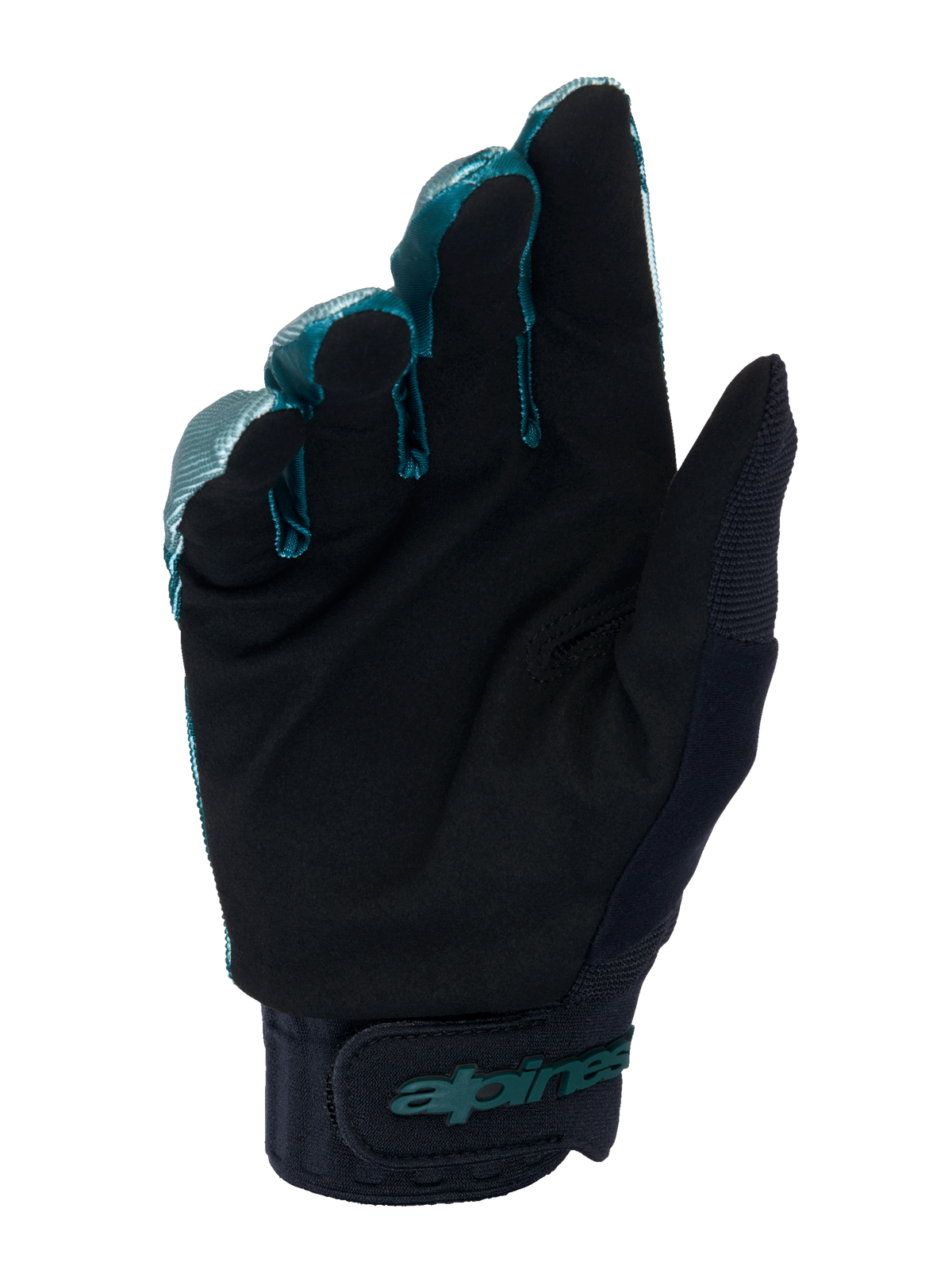
Youth A-Dura Gloves -
A-Dura Squad Gloves -
Youth A-Dura Jersey -
A-Dura Gloves -
Youth A-Dura Rise Jersey -
A-Dura Switch Jersey -
Stella Drop Algorithm Shorts -
Stella Drop Inner Shorts -
Drop Inner Shorts -
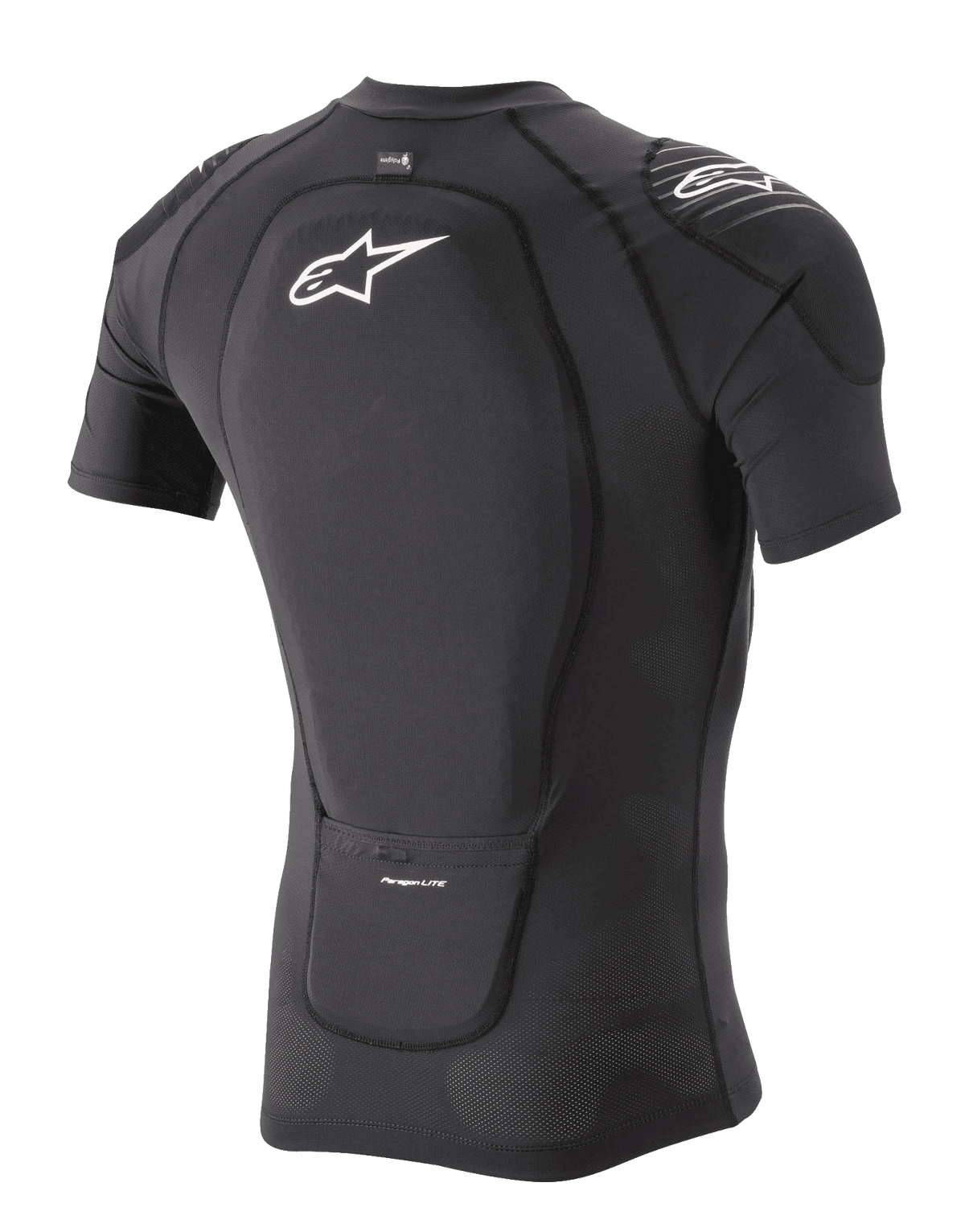
Youth Paragon Lite Protection Jacket -
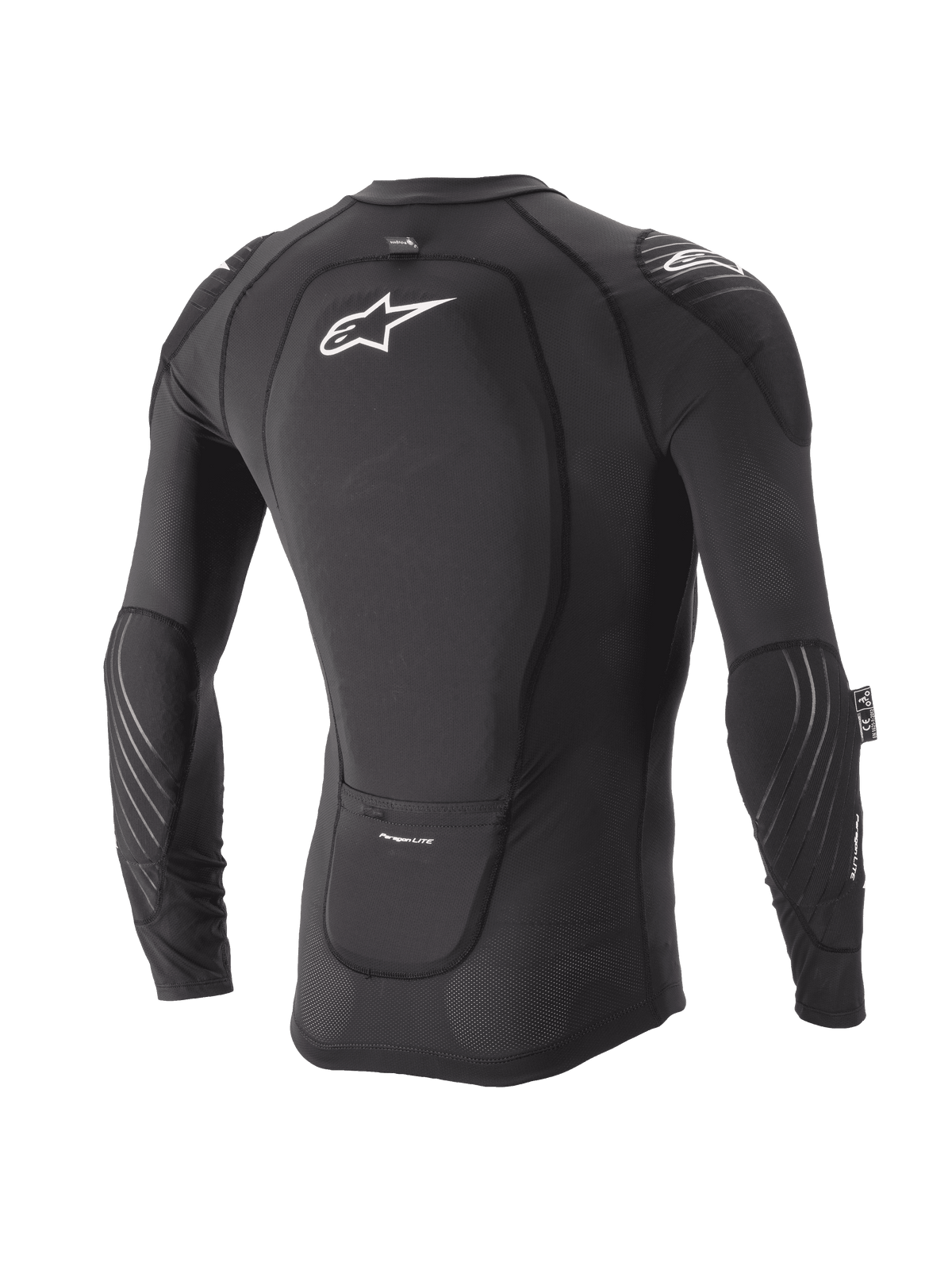
Paragon Lite Protection Jacket -
Stella Alps Constellation Jersey -
Stella Alps Escape Jersey -
Stella Alps Escape Jersey -
Drop Meta Jersey -
Drop Socks 15















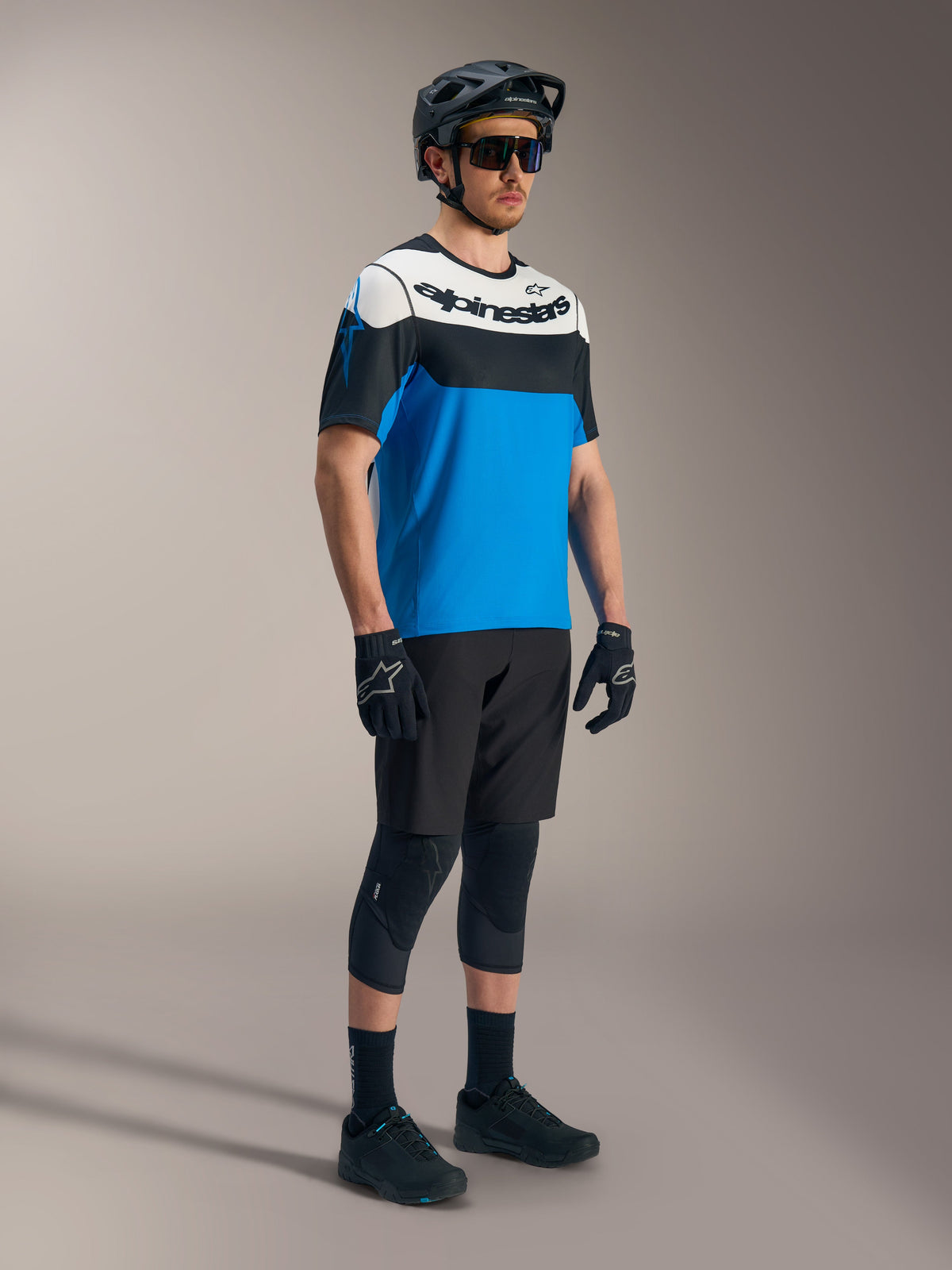

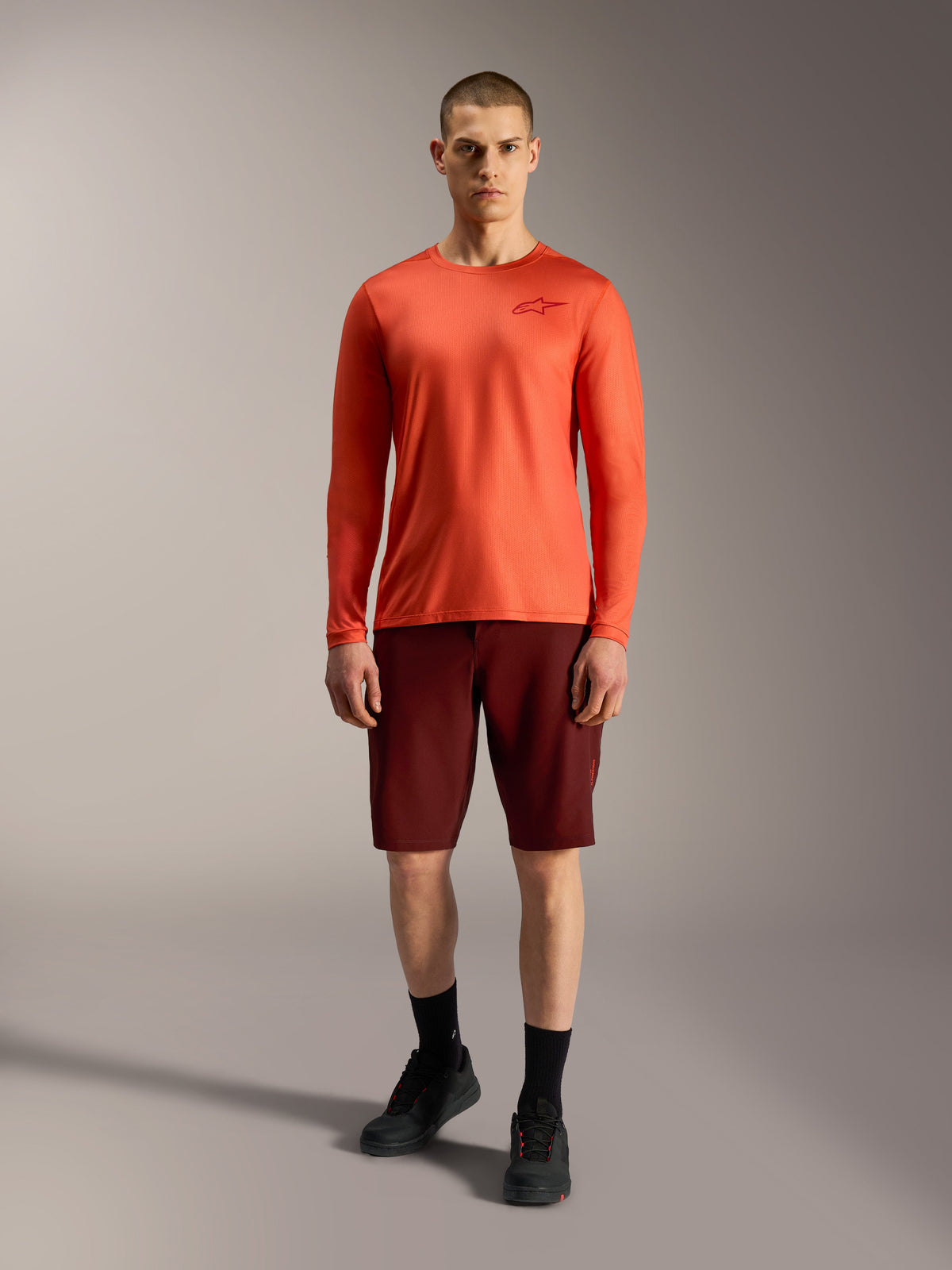

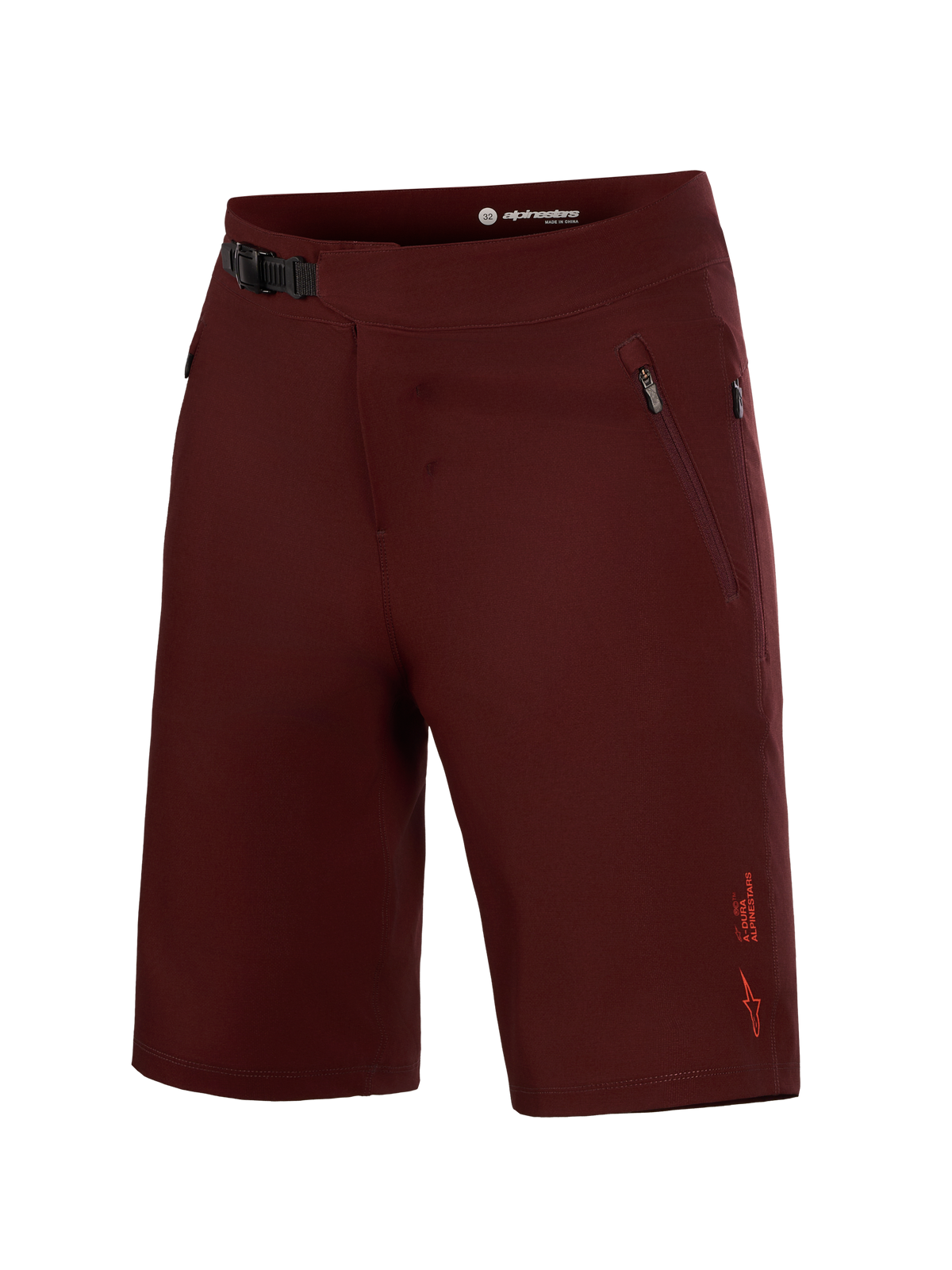

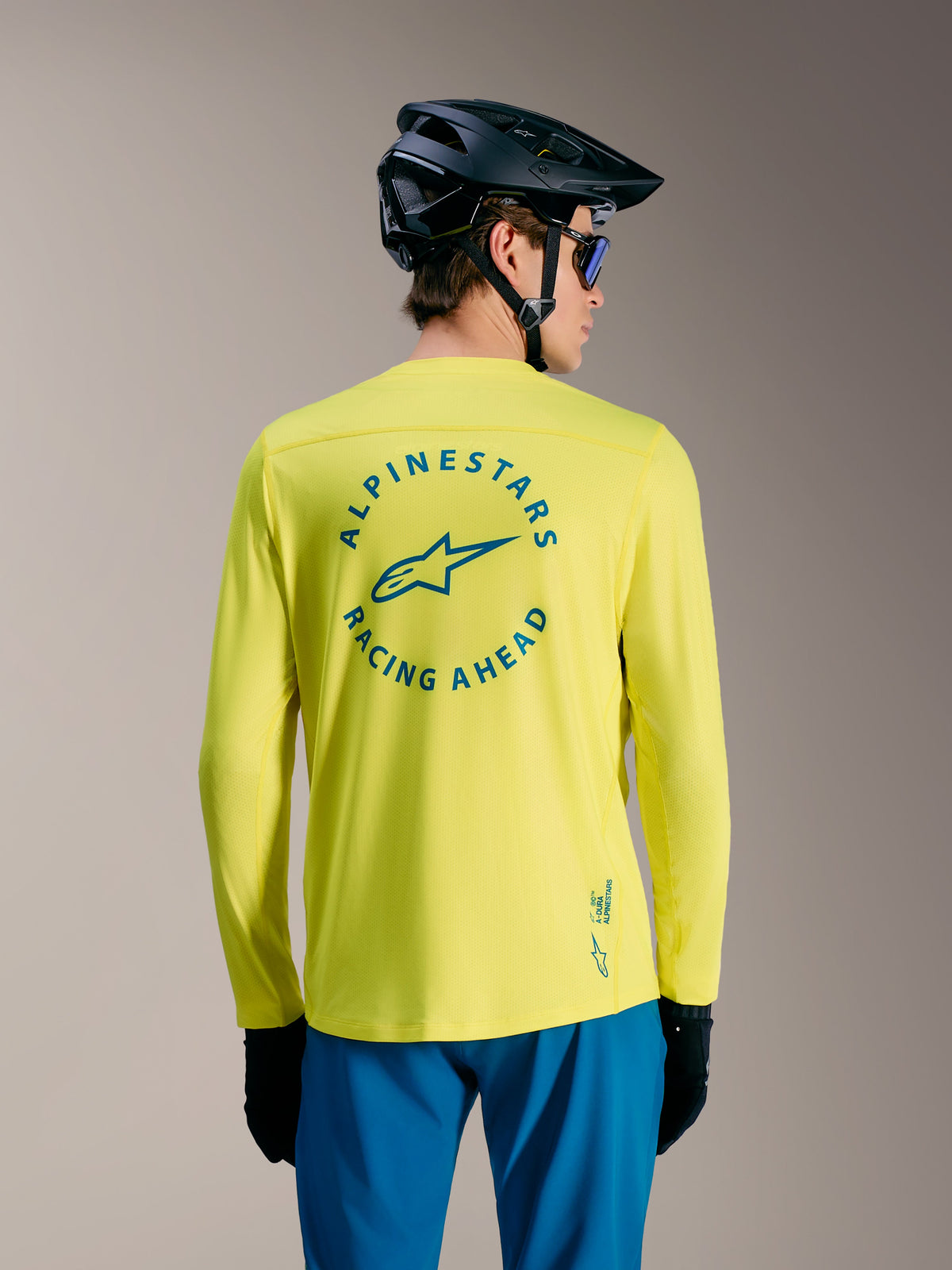

































Frequently asked questions Hide FAQs
What apparel is included in All MTB Apparel?
This collection covers mountain bike clothing for trail, enduro, downhill, and cross‑country riding, including jerseys, shorts, pants, jackets/vests, base layers, and socks. Garments use breathable, quick‑dry technical fabrics with stretch and durable weaves suited to off‑road abrasion.
Fits are MTB‑specific to allow a full riding range of motion and to accommodate common protective gear such as elbow, shoulder, and knee pads.
How should MTB jerseys and shorts fit for riding and pads?
MTB jerseys typically use a relaxed or athletic fit for airflow and mobility, with slightly longer sleeves and a drop tail. Choose your size based on chest measurement and allow room if you wear body armor.
MTB shorts and pants should be secure at the waist without pinching, with adjusters or belt loops, and long enough to overlap knee pads while pedaling. Liners or bibs should fit next‑to‑skin; the outer short provides coverage and durability.
Do MTB shorts include padding, and do I need a liner?
Most baggy MTB shorts are unpadded to maximize breathability and quick drying. For saddle comfort and chafe control, pair them with a padded liner short or cycling bib with a chamois under the outer short.
This two‑piece system lets you choose your preferred padding level and replace or wash liners more frequently while keeping the outer short durable for trail use.
What MTB apparel should I choose for XC, trail/enduro, or downhill?
Select kit based on terrain, protection needs, and weather. General guidance:
| Discipline | Fit & Features | Outerwear |
|---|---|---|
| XC | Lighter, closer‑to‑body jerseys and shorts for efficiency; minimal pockets. | Packable wind/rain shells for variable efforts. |
| Trail/Enduro | Durable, relaxed fits with stretch; room for elbow/knee pads. | Breathable softshells or 2.5–3L rain shells for mixed weather. |
| Downhill | Heavier‑duty fabrics and the most generous cuts for armor. | Robust weather layers for lift‑access or wet bike‑park days. |
Waterproof shells are commonly built as 2‑layer, 2.5‑layer, or 3‑layer; 3‑layer offers the most durable weather protection, while 2.5‑layer prioritizes low weight and packability for trail rides.
How do I wash and care for MTB jerseys, shorts, and shells?
Wash technical apparel cold on a gentle cycle with mild detergent. Close zips and Velcro, turn garments inside‑out, and remove any pads before washing. Avoid fabric softeners and bleach, which can impair moisture‑wicking and waterproof finishes. Air dry away from high heat.
For waterproof/breathable shells, low‑heat tumble (if the care label allows) can help reactivate DWR. Reproof the DWR when water stops beading on the surface to restore water repellency.