
11 results
-
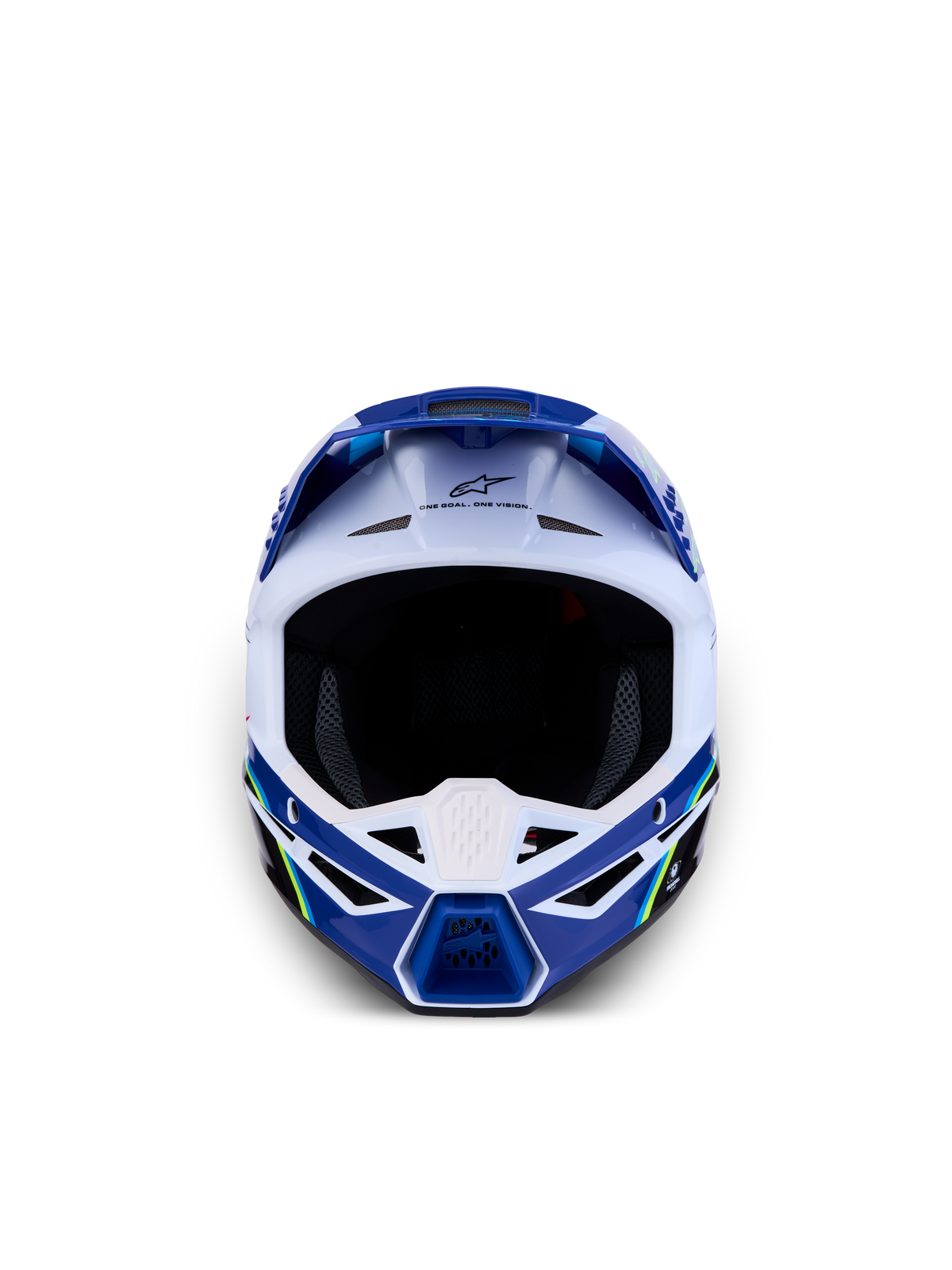
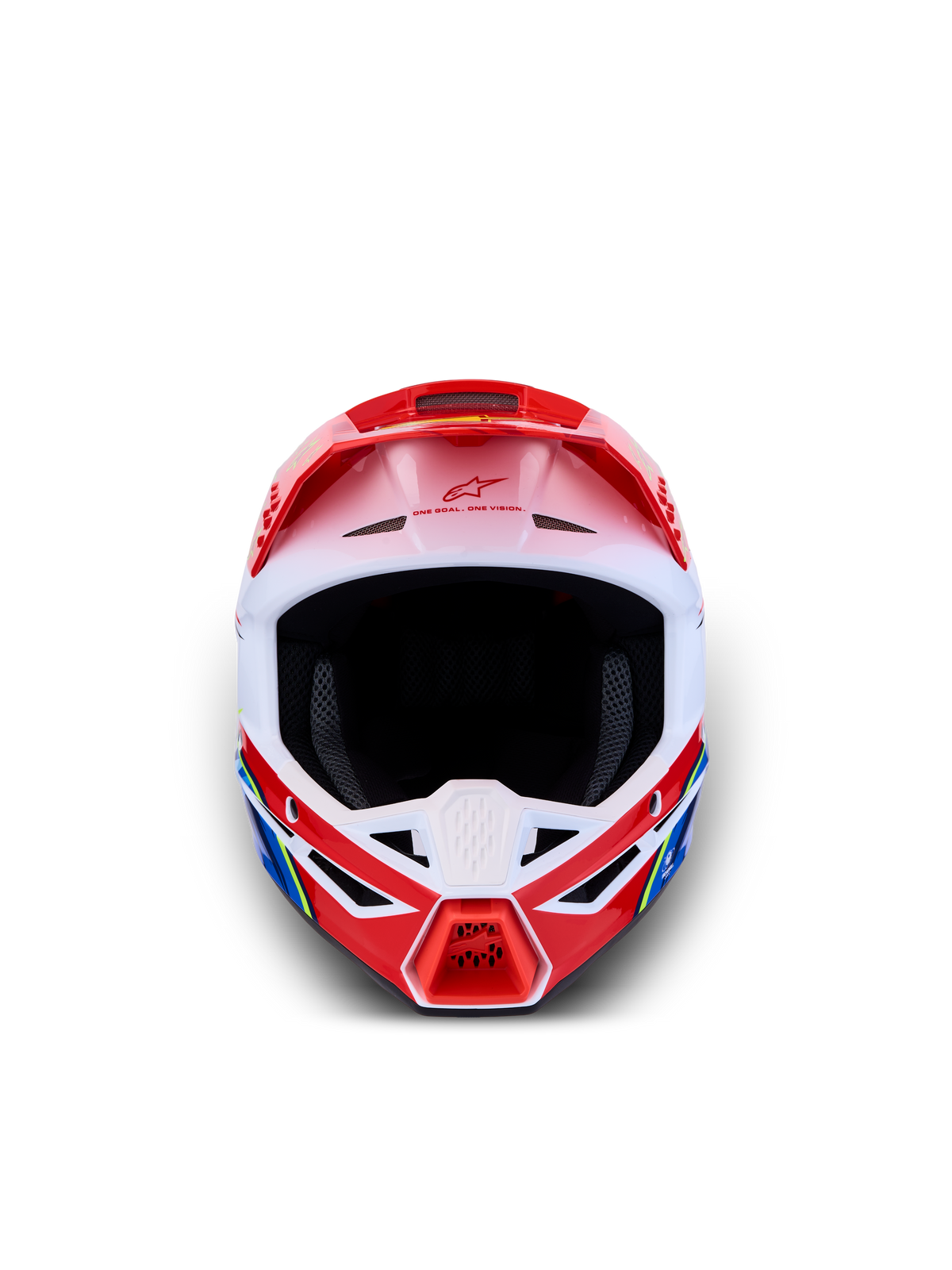
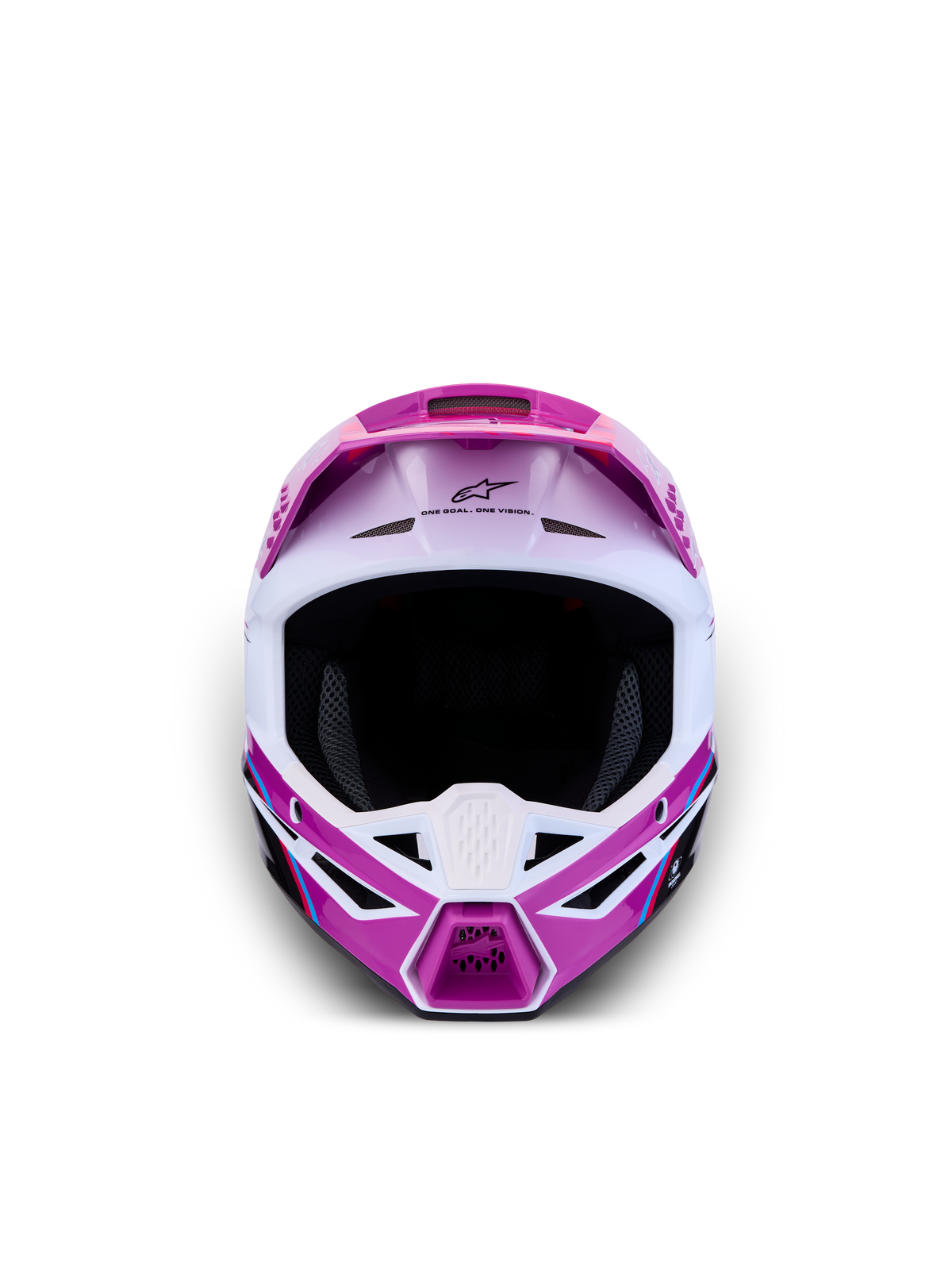
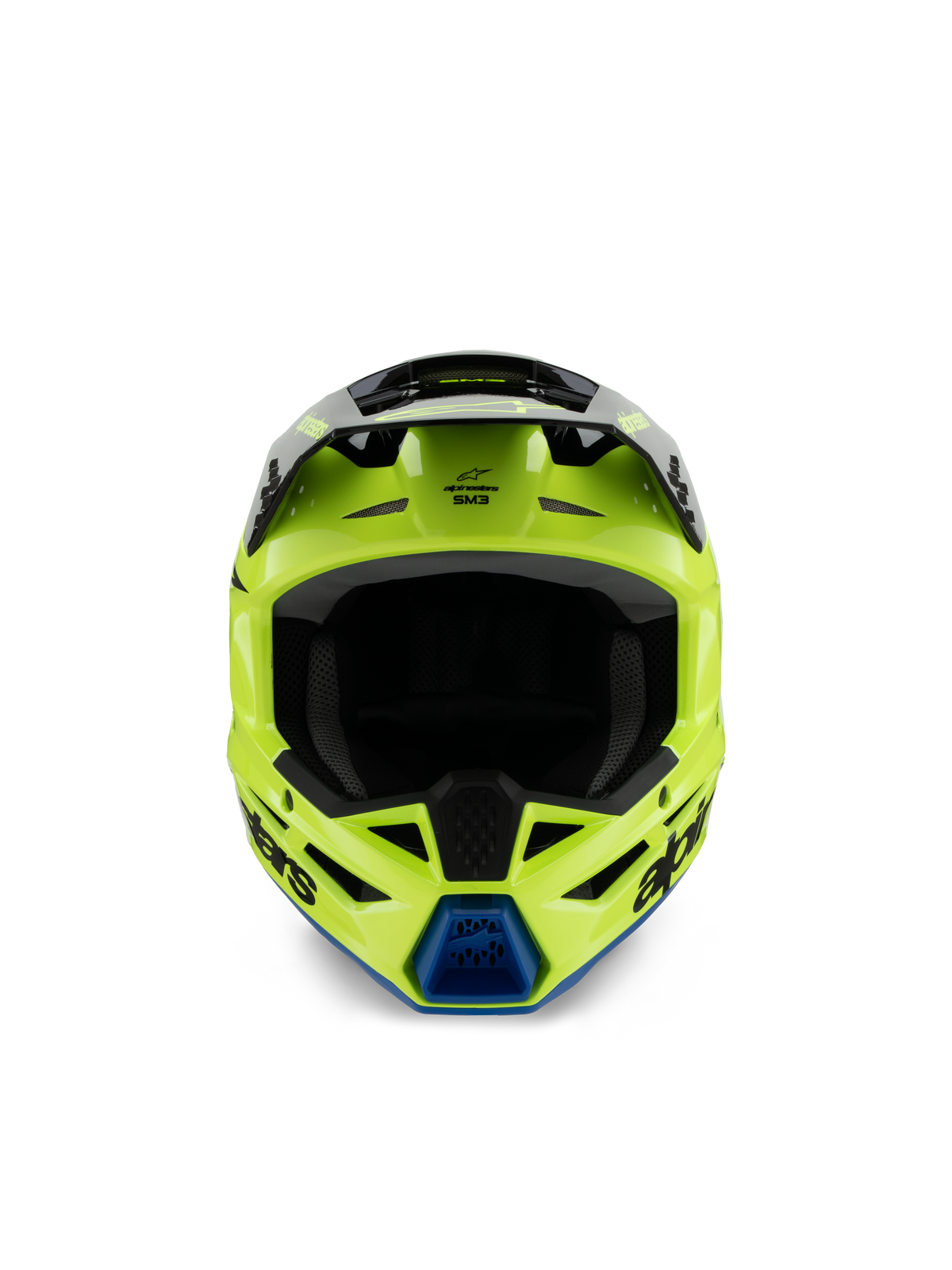
S-M3 Youth Falcon Helmet ECE 22.06 -
S-M3 Youth Falcon Helmet ECE 22.06 -
S-M3 Youth Falcon Helmet ECE 22.06 -
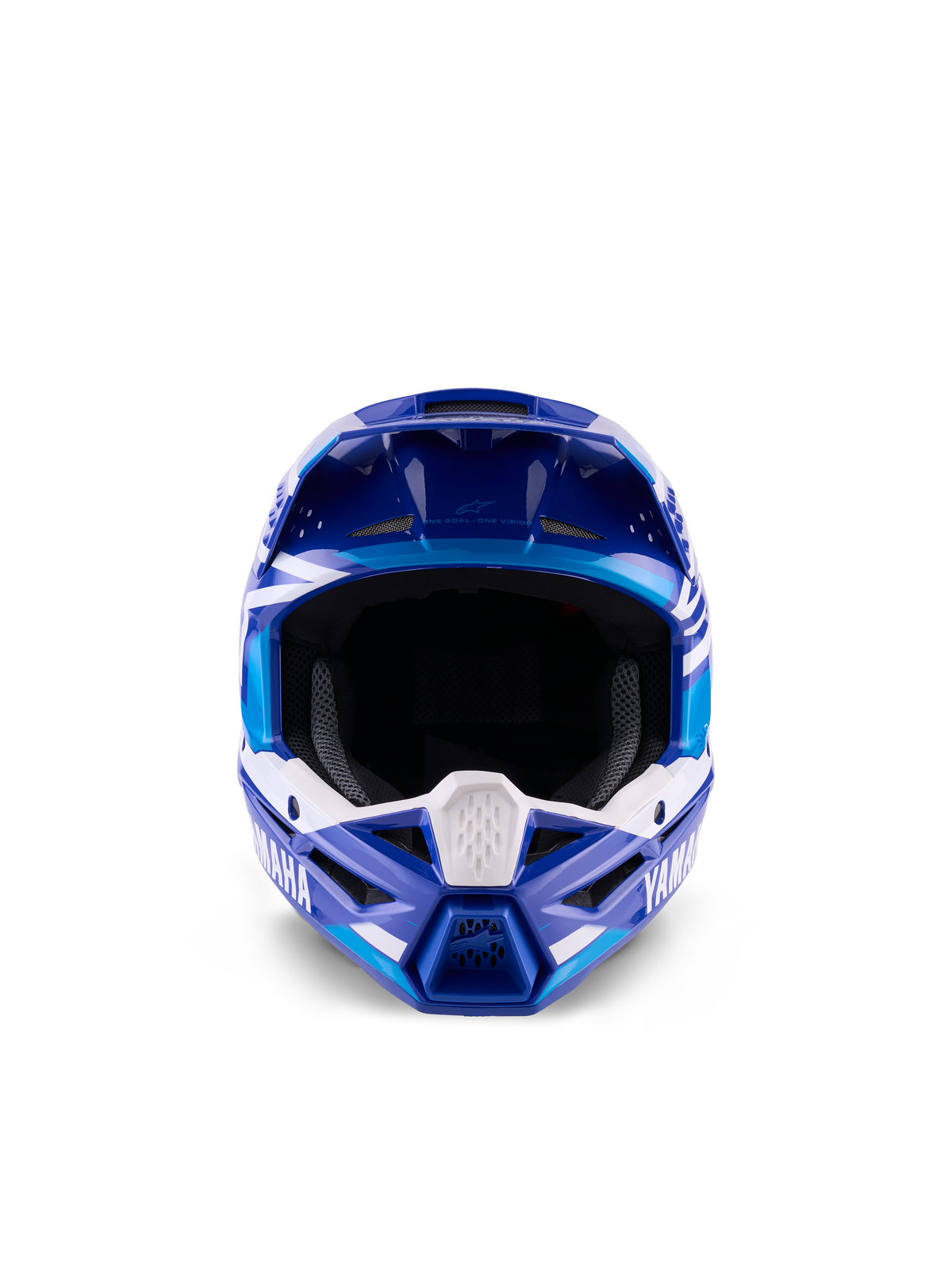
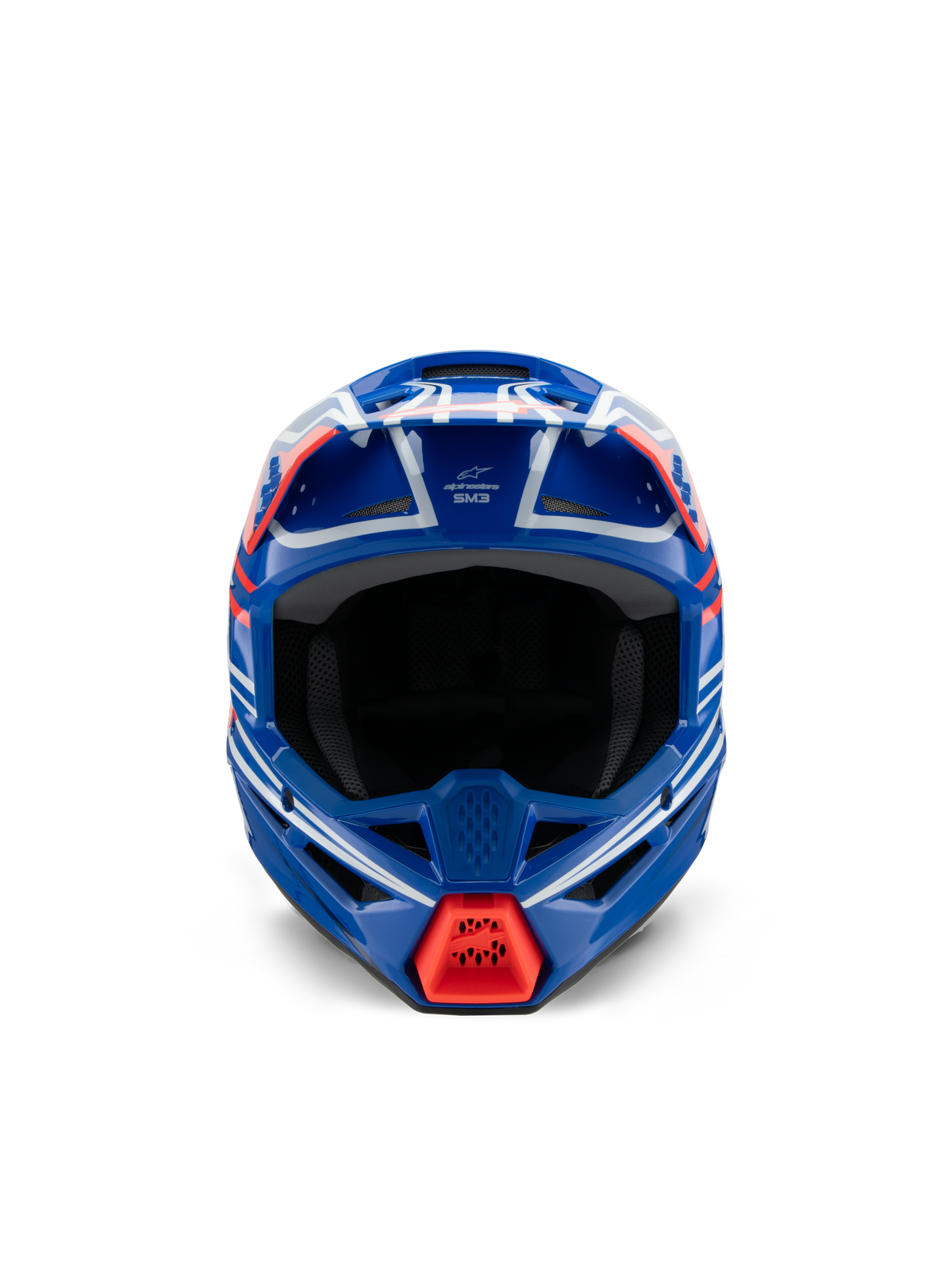
Yamaha S-M3 Youth Helmet ECE 22.06 -
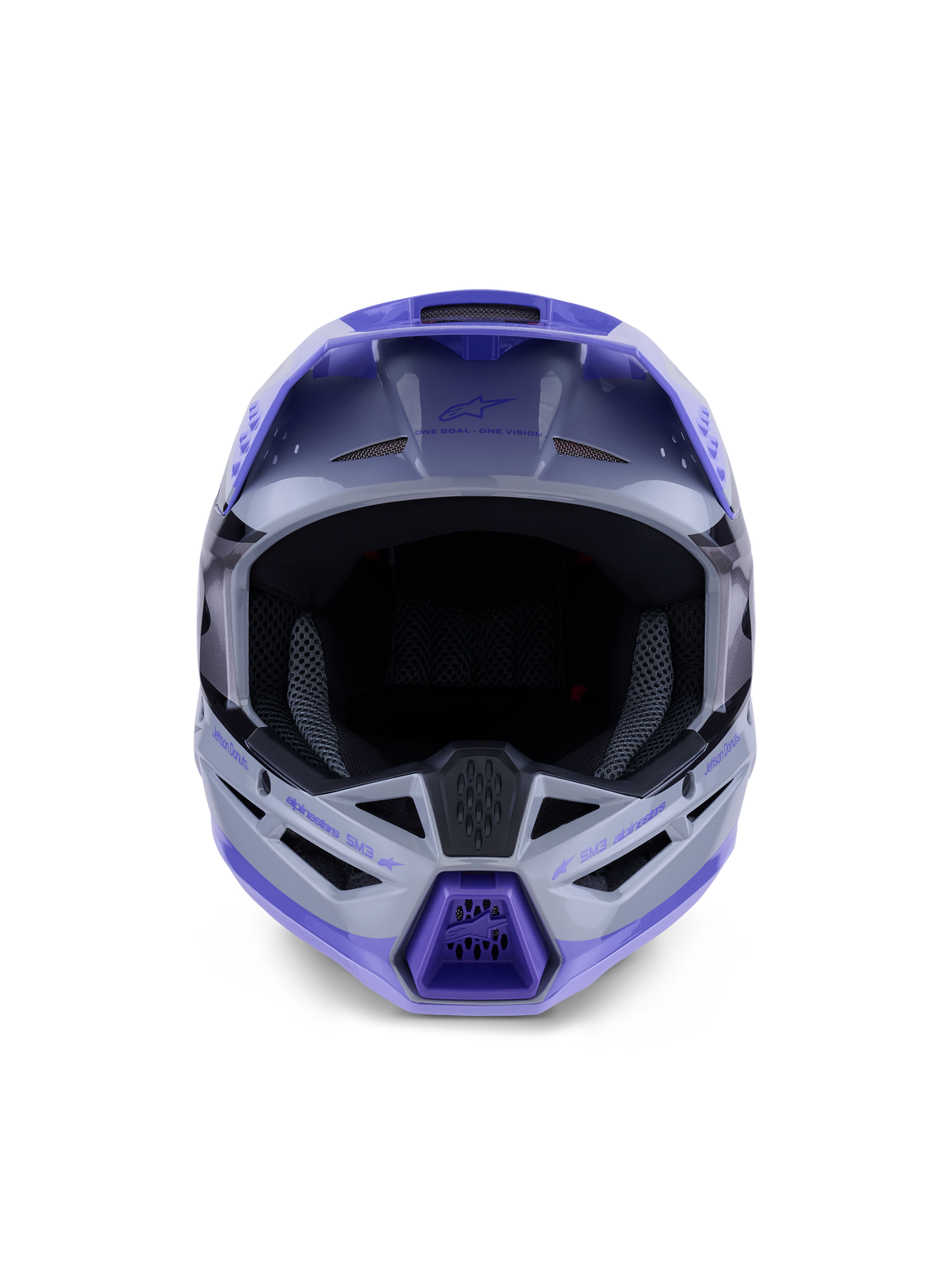
S-M3 Jettson Youth Helmet ECE 22.06 -
S-M3 Youth Wurx Helmet ECE 22.06 -
S-M3 Youth Solid Helmet ECE 22.06 -
S-M3 Youth Wurx Helmet ECE 22.06 -
S-M3 Youth Radium Helmet ECE 22.06 -
S-M3 Youth Fray Helmet ECE 22.06 -
S-M3 Youth Radium Helmet ECE 22.06















11 of 11 products
All products loaded
Frequently asked questions Hide FAQs
How should a youth motocross helmet fit, and how do I choose the right size?
A youth motocross helmet should feel evenly snug around the head and cheeks without painful pressure points. It should stay stable when the rider turns or shakes their head, and it should not lift excessively at the forehead or move freely side to side.
Measure head circumference just above the eyebrows and compare it with the Alpinestars size chart before ordering. A correct youth fit matters because a helmet that is too large can shift during riding or in an impact, while one that is too tight can create discomfort and hot spots. For related off-road gear, see the youth motocross collection.
Are youth motocross helmets DOT or ECE certified?
Many youth motocross helmets are built to recognized motorcycle helmet safety standards such as DOT and, on some models, ECE 22.06. DOT refers to FMVSS 218 for the U.S. market, while ECE 22.06 is the current European homologation for motorcycle helmets.
Certification can vary by model and market, so check the product page and the helmet labeling for the exact standard listed on the specific helmet you are considering.
Can a child wear an adult motocross helmet if the size seems close?
In general, a young rider should wear a youth motocross helmet when their measurements fall within the youth size range. Youth helmets are designed around smaller head dimensions and are typically optimized to reduce unnecessary bulk and weight for younger riders.
An adult helmet that appears close in size may still differ in internal shape, balance, and overall proportion. The better choice is the helmet that matches the rider’s actual measurements and delivers a stable, youth-appropriate fit.
Are youth motocross helmets compatible with MX goggles?
Yes. Youth motocross helmets are designed for use with off-road goggles rather than a street-style face shield. Their eye port shape and shell profile are intended to work with MX goggles to help maintain visibility and protection from roost, dust, and debris.
For the best result, the goggle frame should sit securely in the eye port and the strap should hold a consistent seal without excessive pressure. If you are building a full off-road setup, you can also explore the broader youth motocross collection.
How do I clean and maintain a youth motocross helmet?
Clean the outer shell with a soft cloth, water, and mild soap, and avoid harsh solvents that can damage finishes, graphics, or trims. If the helmet has removable interior components, remove them and follow the care instructions on the label or product page. Let all parts air dry away from direct heat before reassembly.
Regular maintenance should also include checking the visor hardware, chin strap, liner condition, and shell for signs of impact damage or unusual wear. If you need replacement parts, browse the MX helmet accessories collection.