
86 results
-
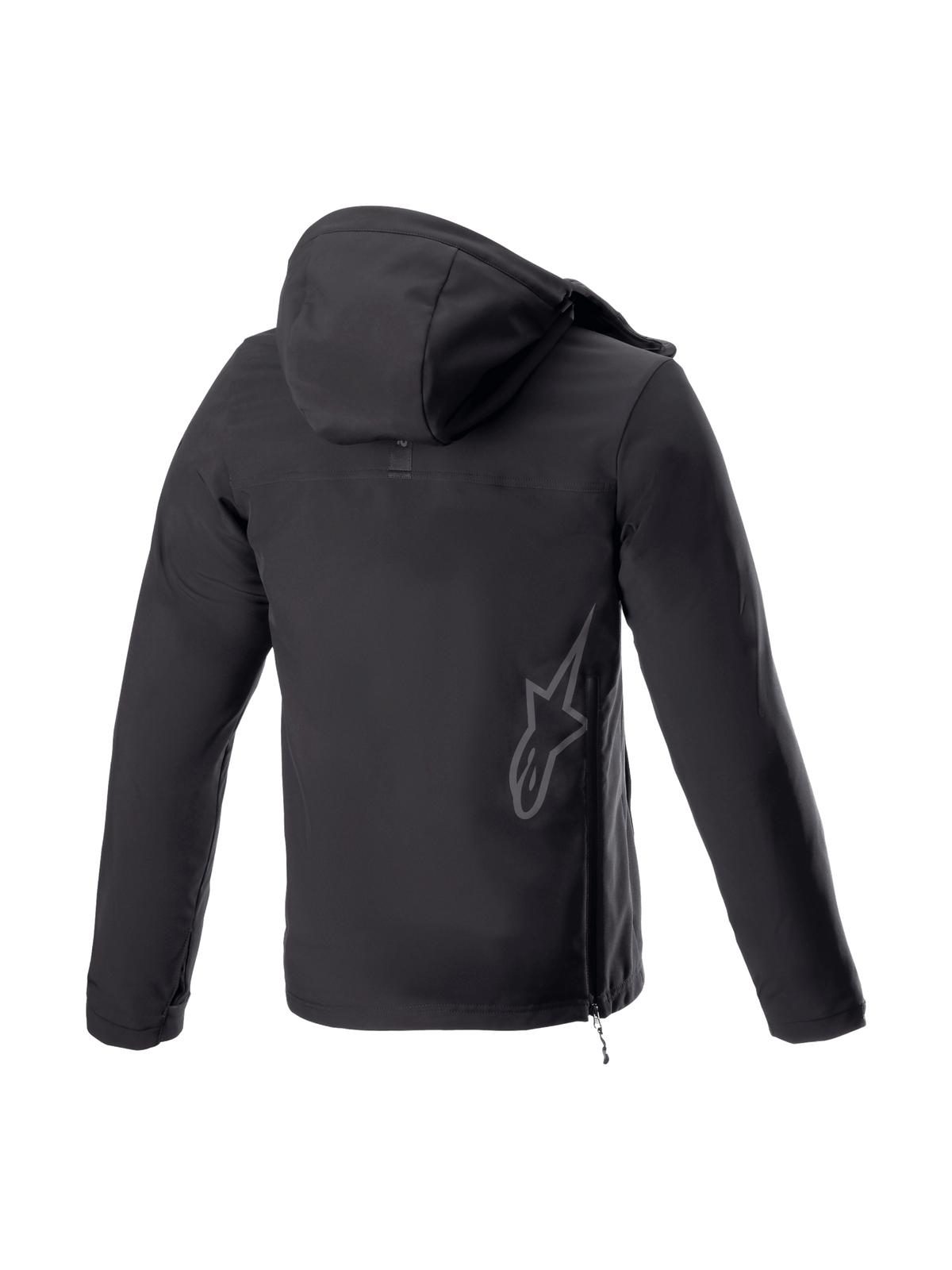
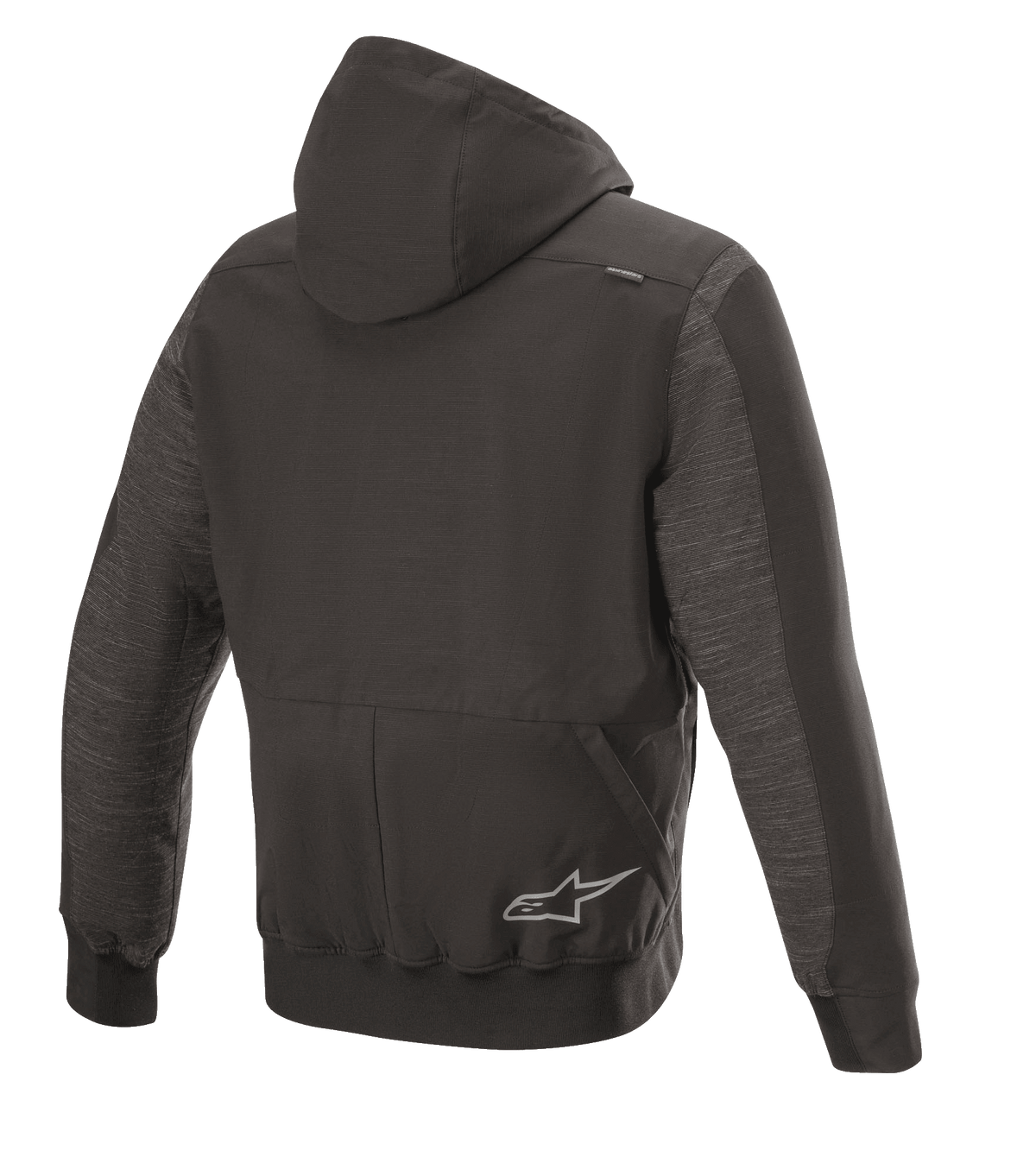
Sherpa Hoodie -
Rhod Windstopper Hoodie -
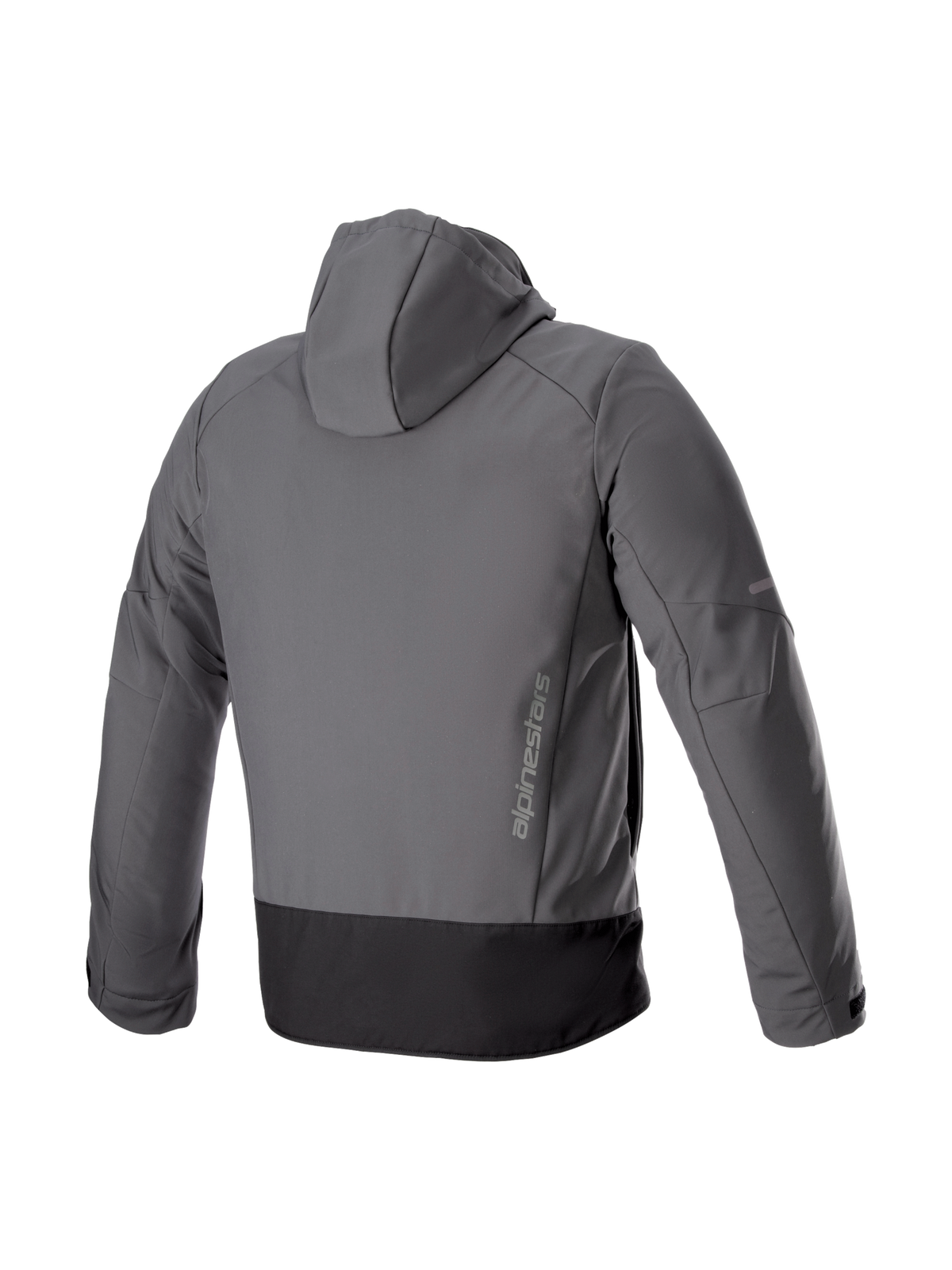
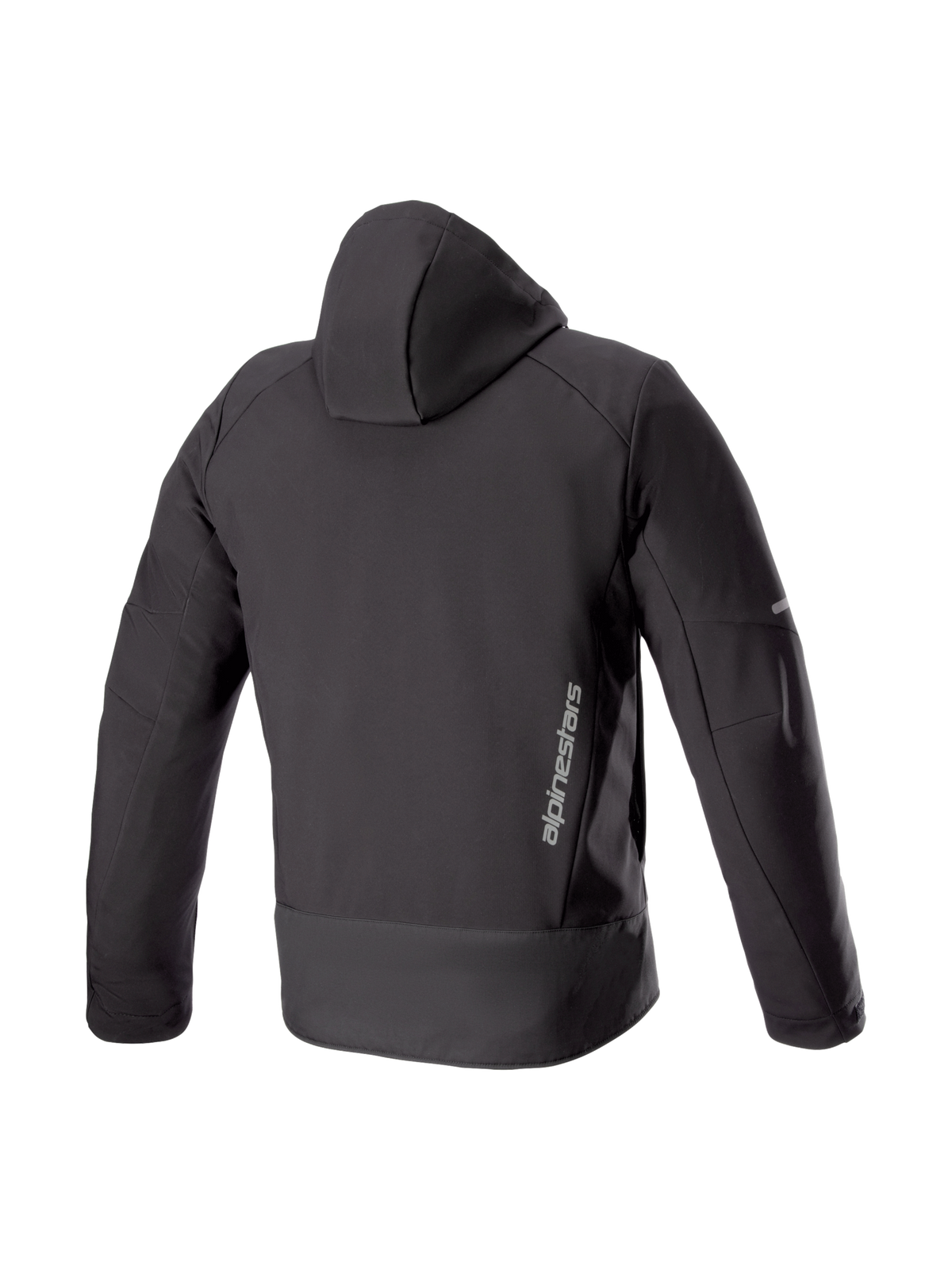
Neo Waterproof Hoodie -
Neo Waterproof Hoodie -
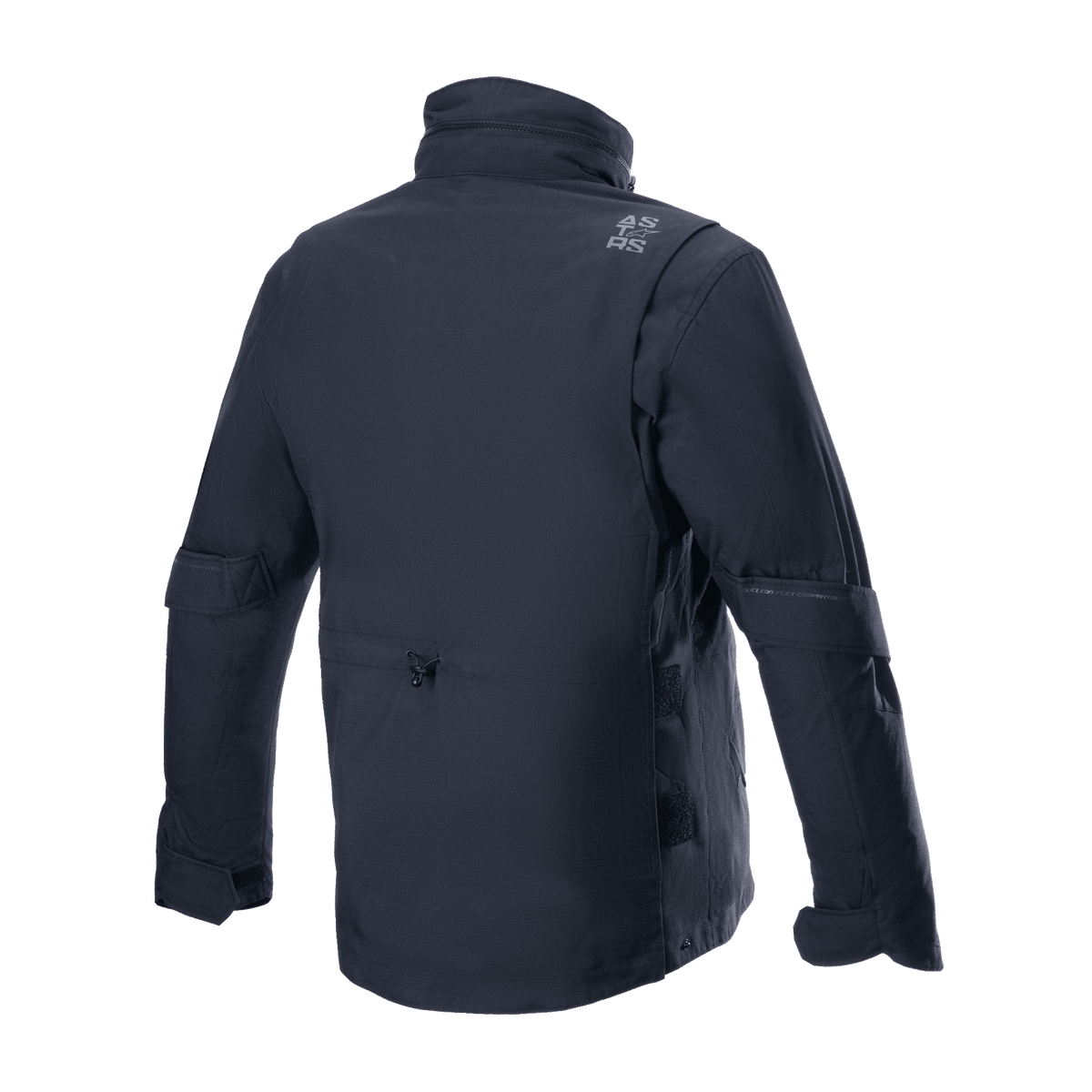
MO.ST.EQ Field Waterproof Primaloft Jacket -
Hyde XT Drystar® XF Jacket -
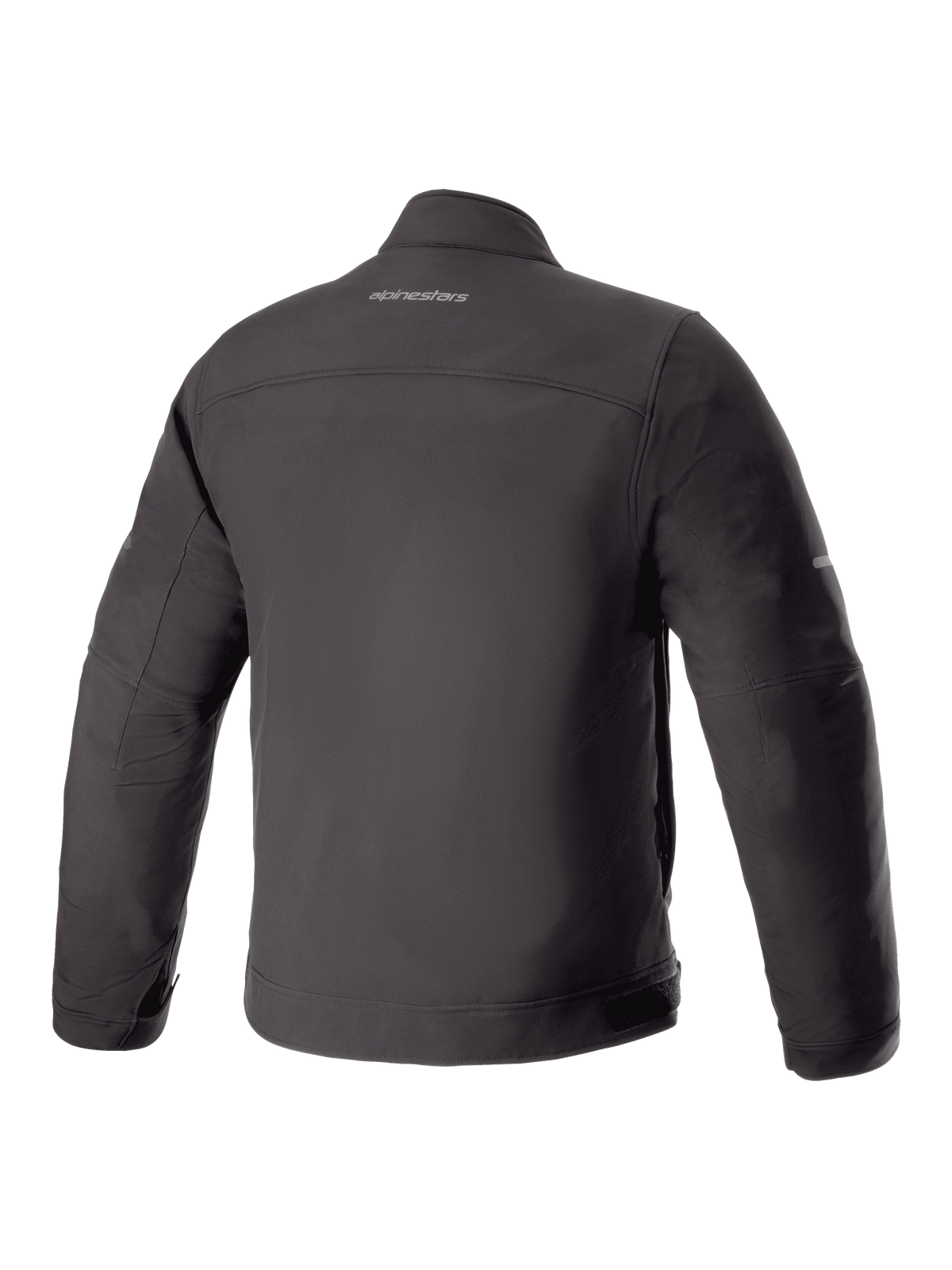
Husker Waterproof Jacket -
Husker Waterproof Jacket -
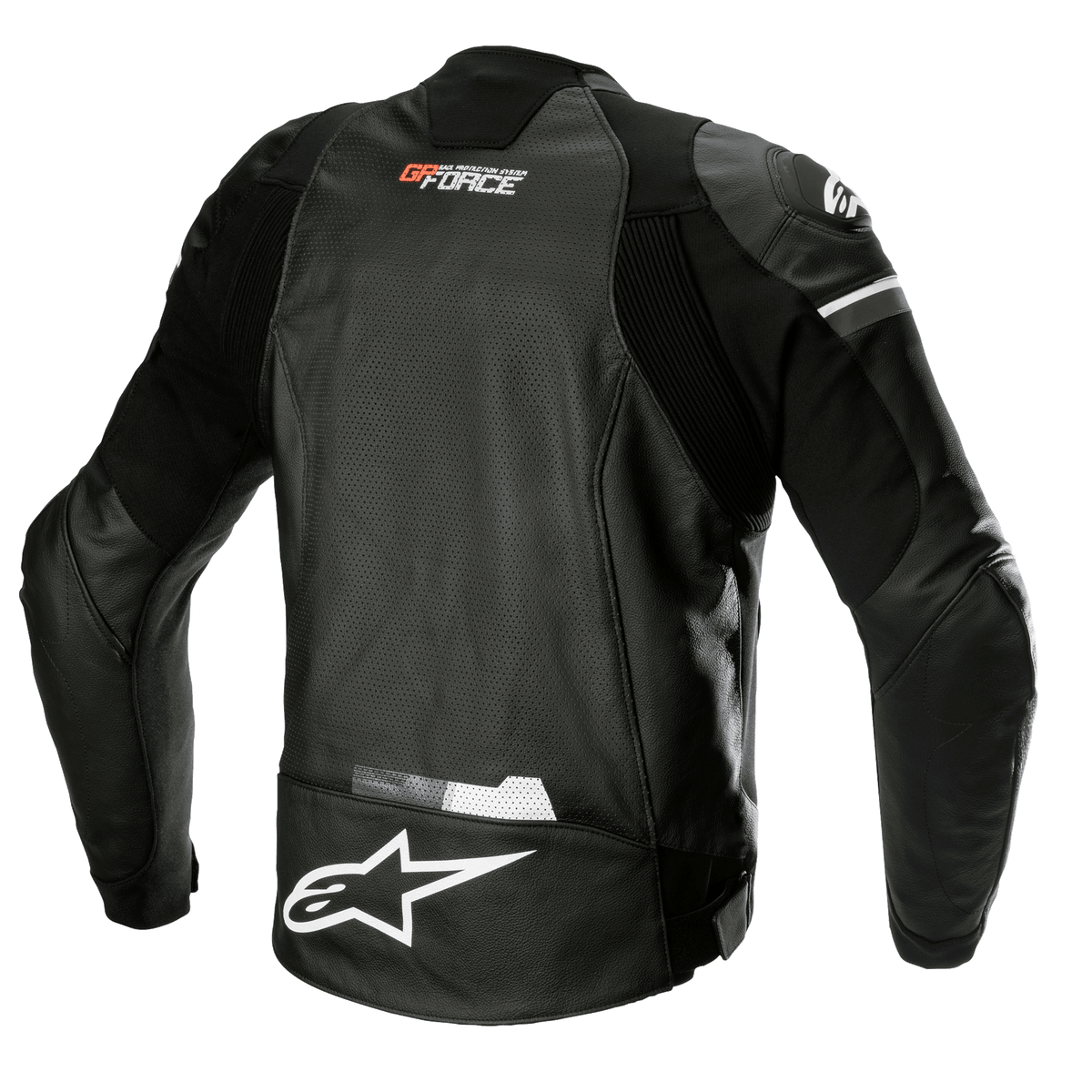
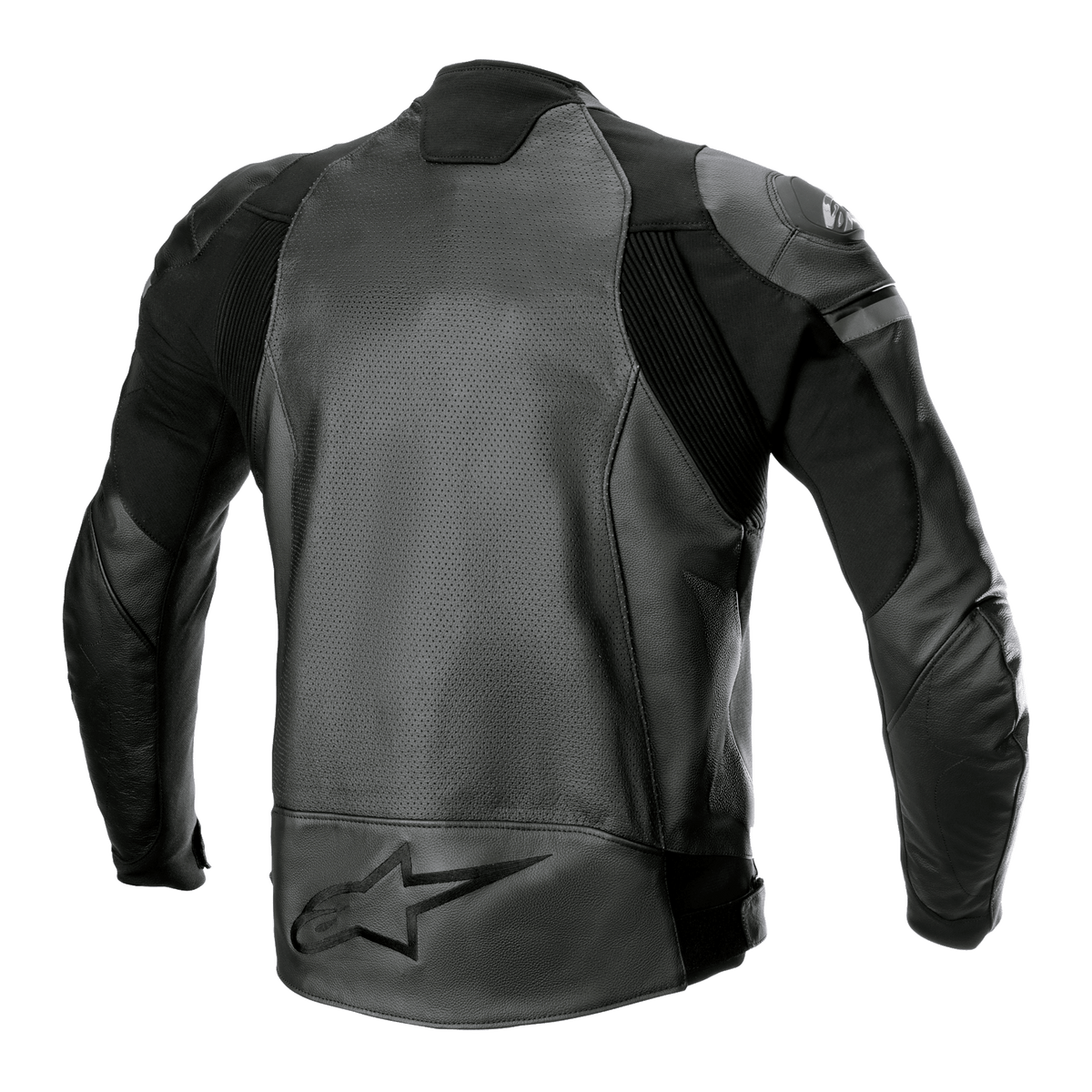
GP Force Airflow Leather Jacket -
GP Force Airflow Leather Jacket -
GP Force Airflow Leather Jacket -
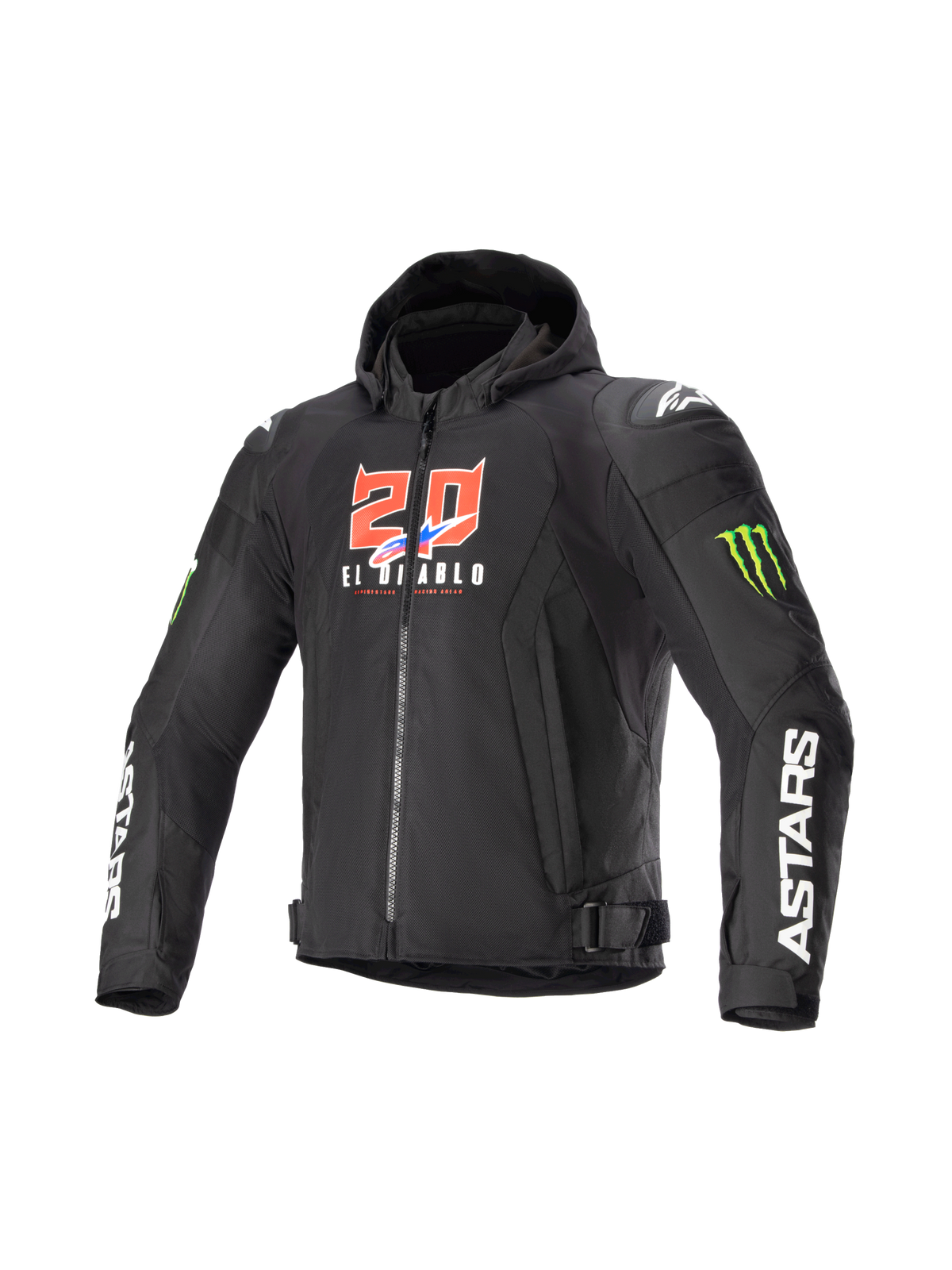
FQ20 Zaca Air Monster Jacket -
Stella Neo Waterproof Hoodie -
Primary Jacket



















86 of 86 products
All products loaded
Frequently asked questions Hide FAQs
What are windbreaker jackets designed for?
Windbreaker jackets are lightweight outer layers built to reduce wind chill and provide light coverage in changeable conditions. This collection is designed for everyday wear, commuting, travel, and transitional weather when you want a lighter option than an insulated jacket.
Compared with heavier outerwear, windbreakers focus on low bulk, easy movement, and packable comfort. They are best suited to mild temperatures, breezy days, and light weather exposure rather than sustained cold or severe rain.
Are windbreaker jackets waterproof or just water-resistant?
Most windbreaker jackets are primarily designed to block wind and may also offer light water resistance, but they are not the same as a fully waterproof rain jacket. They are typically suitable for brief light rain or mist, while prolonged or heavy rainfall can eventually pass through the fabric or seams.
If you need more weather coverage, look for construction details such as coated fabrics, tighter weaves, or water-repellent finishes. For dedicated on-bike protection in changing road conditions, explore road jackets or urban jackets.
How should a windbreaker jacket fit?
A windbreaker jacket should fit close enough to block excess airflow, but still leave room for a T-shirt, base layer, or light hoodie underneath. The ideal fit allows free shoulder and arm movement without the jacket feeling tight across the chest or restrictive when zipped.
If you plan to wear it mainly in warmer conditions, a regular close fit is usually the best choice. If you expect to layer underneath in cooler weather, consider a fit that leaves a little extra room through the body and sleeves.
Can I layer a windbreaker jacket for cooler weather?
Yes. Windbreaker jackets work well as an outer shell over a tee, long-sleeve top, or lightweight fleece, which makes them useful in spring, summer evenings, and early fall. Their main role is to cut wind while your mid-layer provides warmth.
For genuinely cold conditions, a windbreaker alone is usually not enough because it is not heavily insulated. If you want broader casual outerwear options, you can also browse casual jackets.
How do I wash and care for a windbreaker jacket?
In most cases, windbreaker jackets should be washed in cold water on a gentle cycle with mild detergent. Avoid bleach and fabric softener, as they can affect fabric performance, surface treatments, and overall material integrity.
Air drying is generally the safest option to help preserve shape and lightweight construction. Always check the care label inside the garment, since exact washing guidance can vary by fabric, lining, and finish across the collection.